How to Learn a Song the Way Singers Actually Do

Most people learn a song by playing it and singing along until it sounds close enough. It works, up to a point, and the point is usually the first time the song has to be sung without the recording underneath it. What comes out is the shape of the original with the hard parts smudged, because singing along teaches you to follow, not to sing.
Singers learn songs differently, and the order they do it in is the whole method: the words before the notes, the vowels before the consonants, the breath before the volume, the line before the ornaments. This article follows that order, with our teachers demonstrating each step. It assumes a warmed-up voice (Vocal Warm-Up Exercises covers that) and a song in a comfortable key, so if the original strains you, move it a few semitones first; Put the song where your voice lives, near the end, covers how.
Start with the words, not the notes
The first thing Neel S. does with a new song is say it. Working through the first verse of Ed Sheeran’s “Dive” line by line, he starts each line as speech: what does this sentence mean, and how would a person say it out loud? “Maybe I came on too strong” is regret, not anger, so it is not spat or over-enunciated. It is looked back on. The emotion of the line decides how it is delivered, and the delivery decides how it is sung, in that order.
Skill video · Learning “Dive”
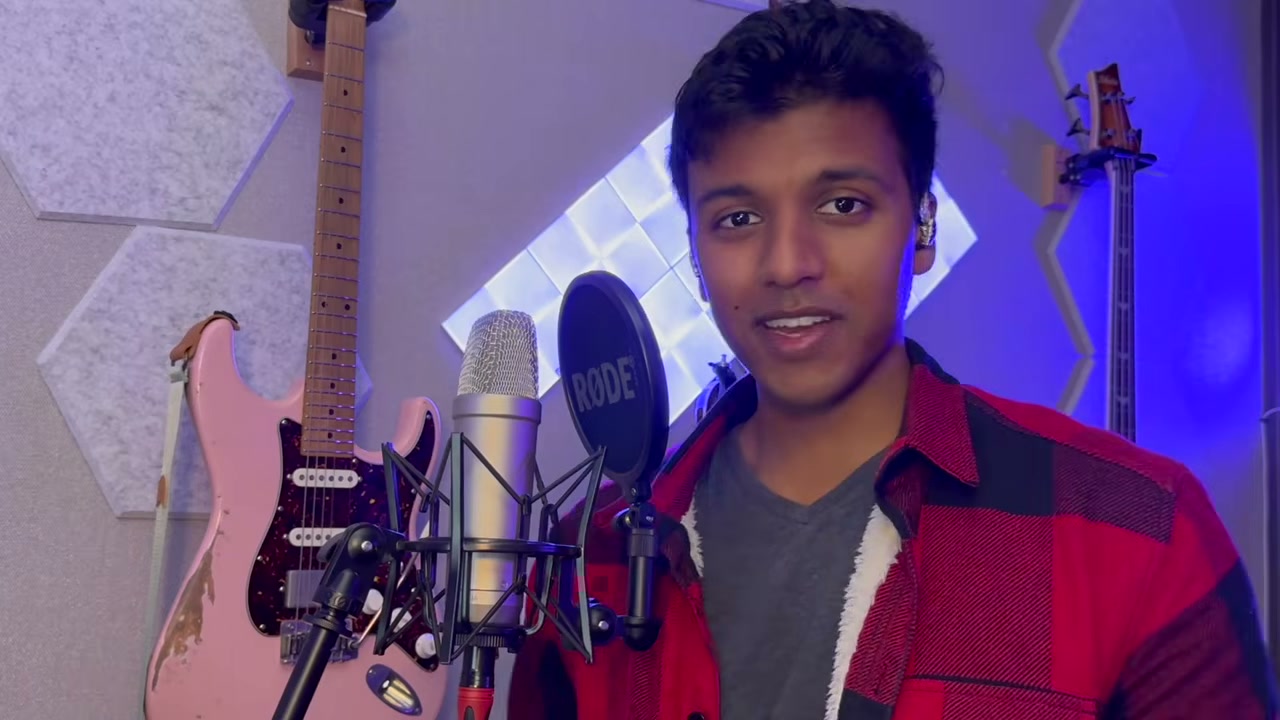
Neel teaches voice on Tunelark. View Neel’s profile
Everything else in his nine minutes follows from that. Beginners over-pronounce because they think the lyric is the important part. In his telling the emotion behind the lyric is the important part, and the lyric is how it gets carried. Say every line of your song as a sentence to a real person before you sing a note of it, and half the phrasing decisions make themselves.
The notes come next, and this is the step singers skip when they have had the recording on repeat for a week. Take the melody phrase by phrase, at a keyboard or against the recording, and check each phrase until you can sing it back on your own with the sound off. Anything you can only produce while the original is playing is not learned yet. Once every phrase is secure without help, put the recording away, because everything that follows works on the melody you are carrying rather than the one you are copying.
Give every syllable its due
The next step is the opposite of expression, on purpose. Jovanni F. calls it intoning: take the words of a phrase and chant them all on one pitch, evenly, like a monotone. It sounds flat because it is meant to. What it does is give every syllable the same breath and the same support, including the short, unimportant-seeming ones that singers habitually short-change. When the melody goes back in, those syllables keep their support, the notes connect to each other, and the phrase arrives whole instead of in pieces.
Skill video · Intoning Exercise
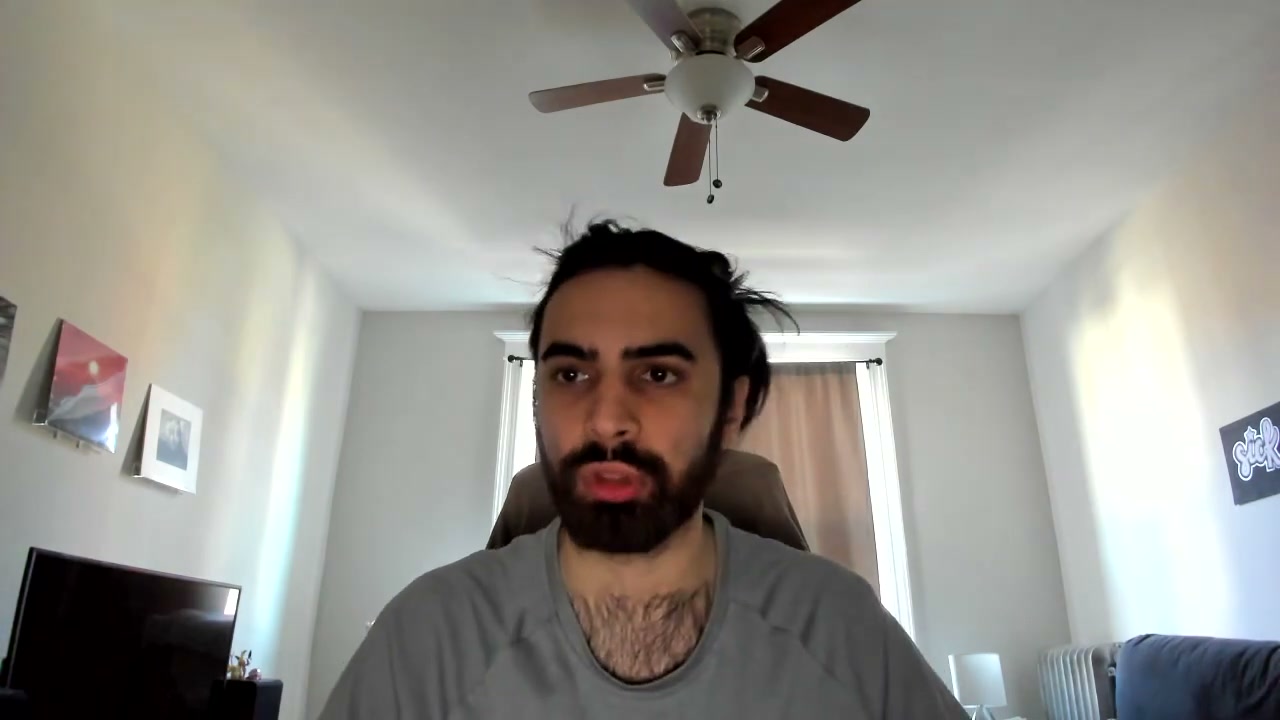
Jovanni teaches voice on Tunelark. View Jovanni’s profile
Vowels carry the line, consonants get out of the way
A sung note lives on its vowel. The consonants around it are there so the listener knows which word it is, and the less time they take, the more of the note there is to sing. Our teachers work on this from different angles.
TJ F. takes the opening of “You’ve Got a Friend in Me” and shows what happens to the word “friend”: the consonants are not where the note lives, and the whole value of the sustained pitch is in the vowel between them. His fix for the consonants at the ends of words is to hand them to the next word, so “friend in me” is sung as one connected line and the final D lands on the front of “in.” The words stay perfectly clear, and the line stops chopping itself up.
Skill video · Phrasing
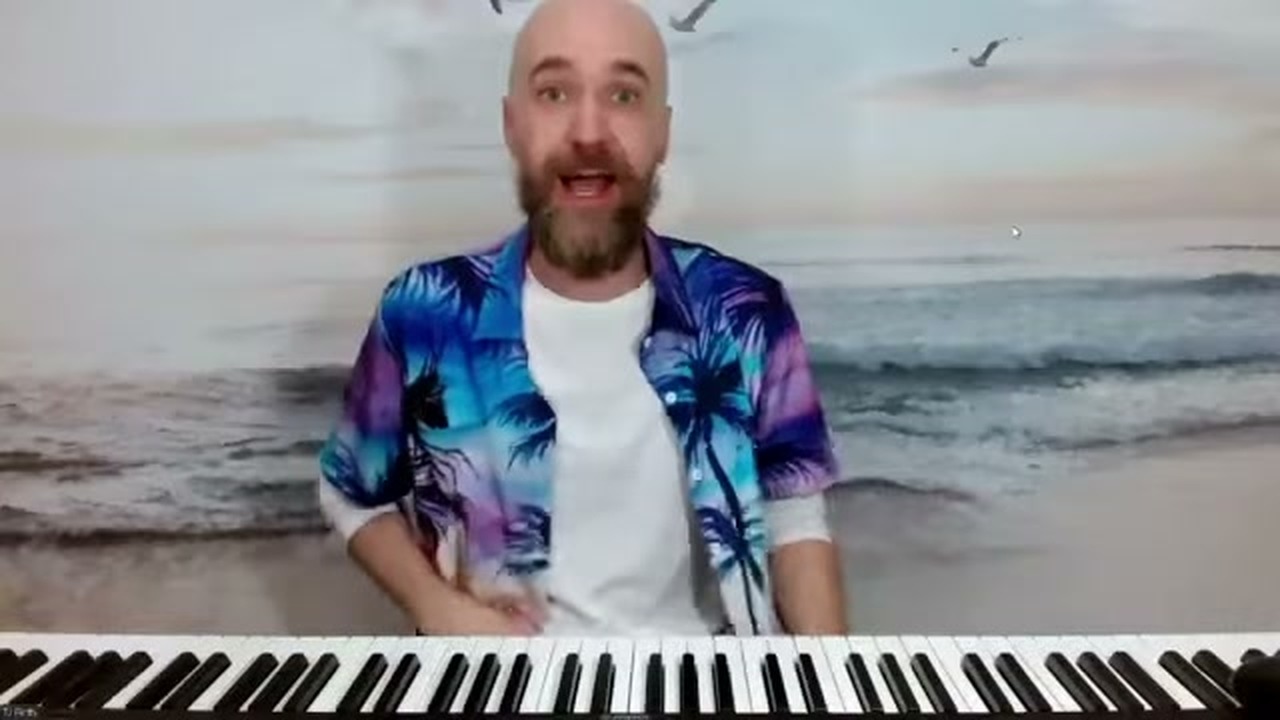
TJ teaches voice on Tunelark. View TJ’s profile
Neel’s version of the same idea is the word “long” in “maybe I waited too long”: the “ng” arrives at the very end of the note, not the beginning, because closing early chokes the sound and makes the note harder than it is. Mandy K. goes furthest: take a section of a song, sing it with every consonant removed, and listen to what the resonance does when the air only has vowel shapes to pass through. Then put the consonants back, lightly, on top of the sound you just found.
Skill video · Vowel Resonance
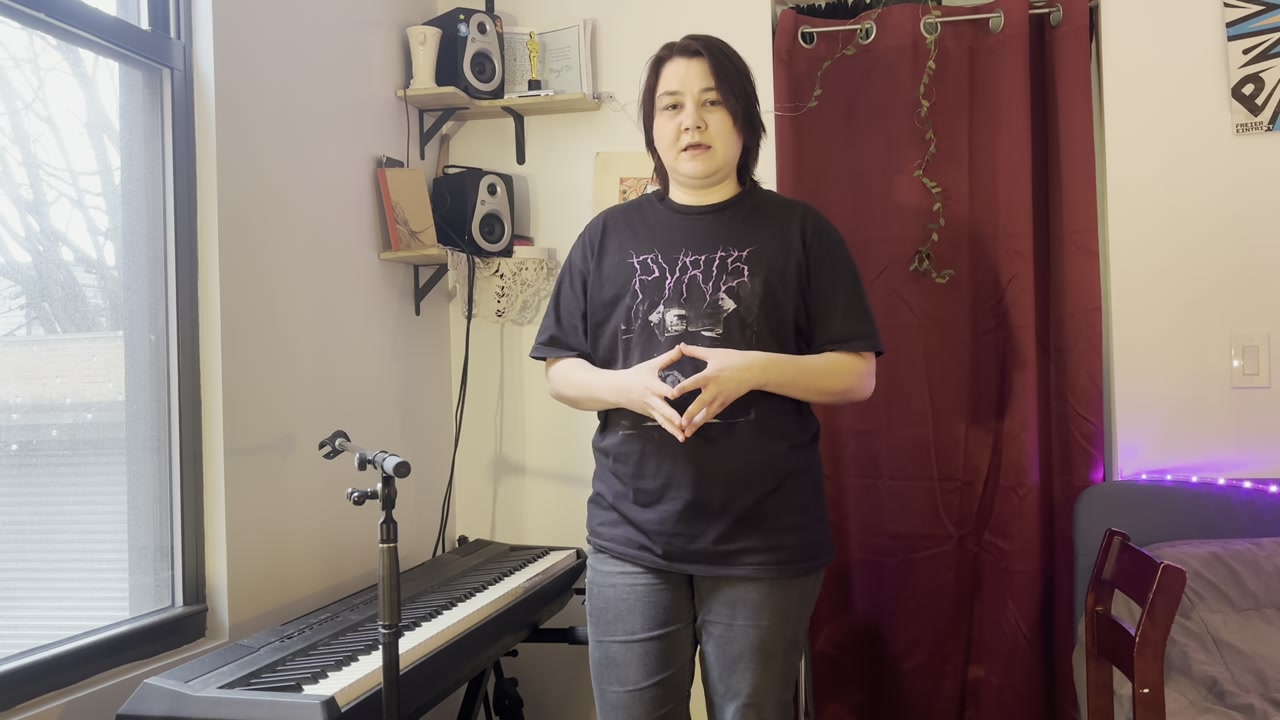
Mandy teaches voice on Tunelark. View Mandy’s profile
Put the breath into the phrase
A song learned quietly at a table tends to be sung with very little air, and the first performance exposes it. Kathryn Z. has a test for it that needs no piano. Lip-buzz a phrase of the song, then sing the same phrase with words, trying to use exactly the amount of air the buzz needed. They will not match at first. The words will get less. Work through the whole song that way, phrase by phrase, buzz then words, until the airflow is the same for both. Tone, volume and ease improve together, because the vocal folds are finally getting the air they need.
Skill video · Using Breath While Singing
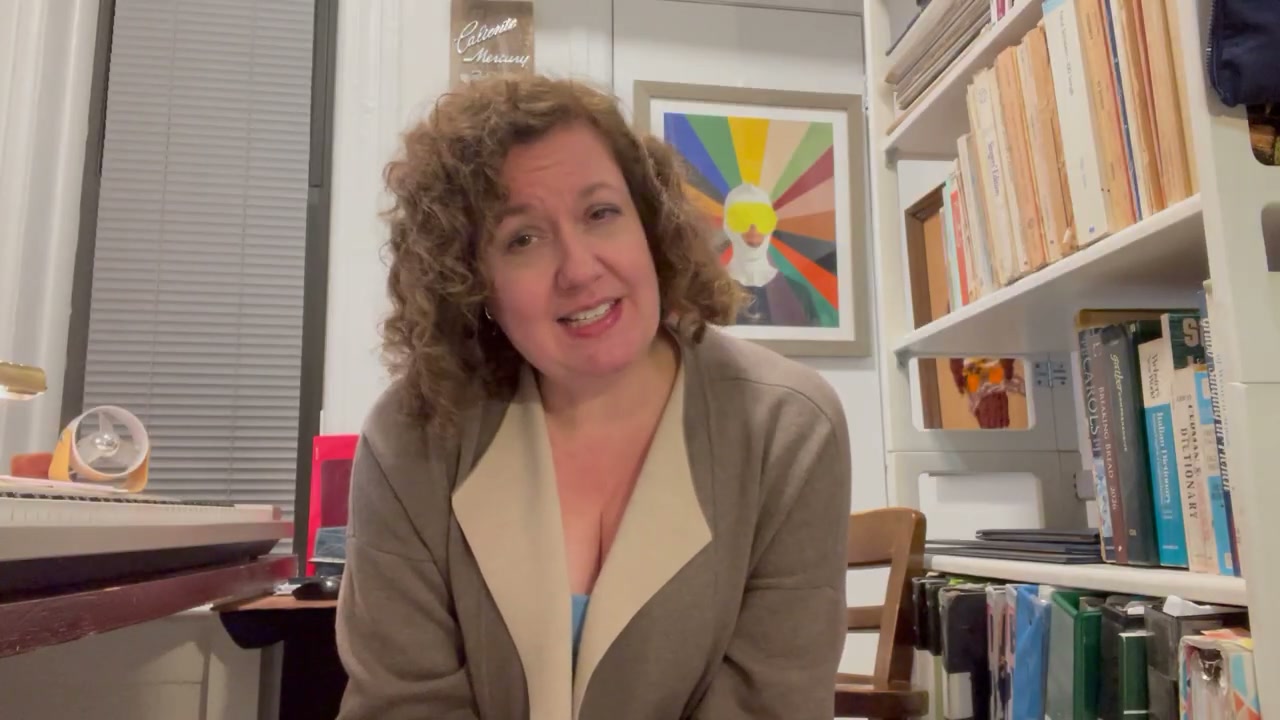
Kathryn teaches voice on Tunelark. View Kathryn’s profile
The breath itself is a bigger subject than this section, and it has its own article: Breath Support for Singers.
Tie the notes together
What separates a song that is sung from a song that is recited on pitch is the line: the sense that one note leads to the next rather than each note starting from nothing. Singers call it legato, and Dr. Gino P. shows how to build it. The jaw stays loose and open through the vowels rather than clenching on the high ones, and in practice the notes are allowed to slide into each other, deliberately, so the air keeps moving through the whole phrase. Clean the slides up later. The connection is the point.
Skill video · Legato Sound

Dr. Gino teaches voice on Tunelark. View Dr. Gino’s profile
Ornaments last
The riffs and runs are the part most singers want to learn first, and the reason they are last is that they only work on top of everything above: a phrase that is supported, connected and clear. Learned before that, a run is a scramble.
Norwood builds runs from the pentatonic scale, the five-note scale most pop, soul, and gospel riffs are built on, and his rule is speed last. The scale is sung slowly, on a “no,” with every note clear, and only sped up once every note is still audible at the faster tempo. If the notes start running together, that is the signal to slow back down.
Skill video · Riffs and Runs
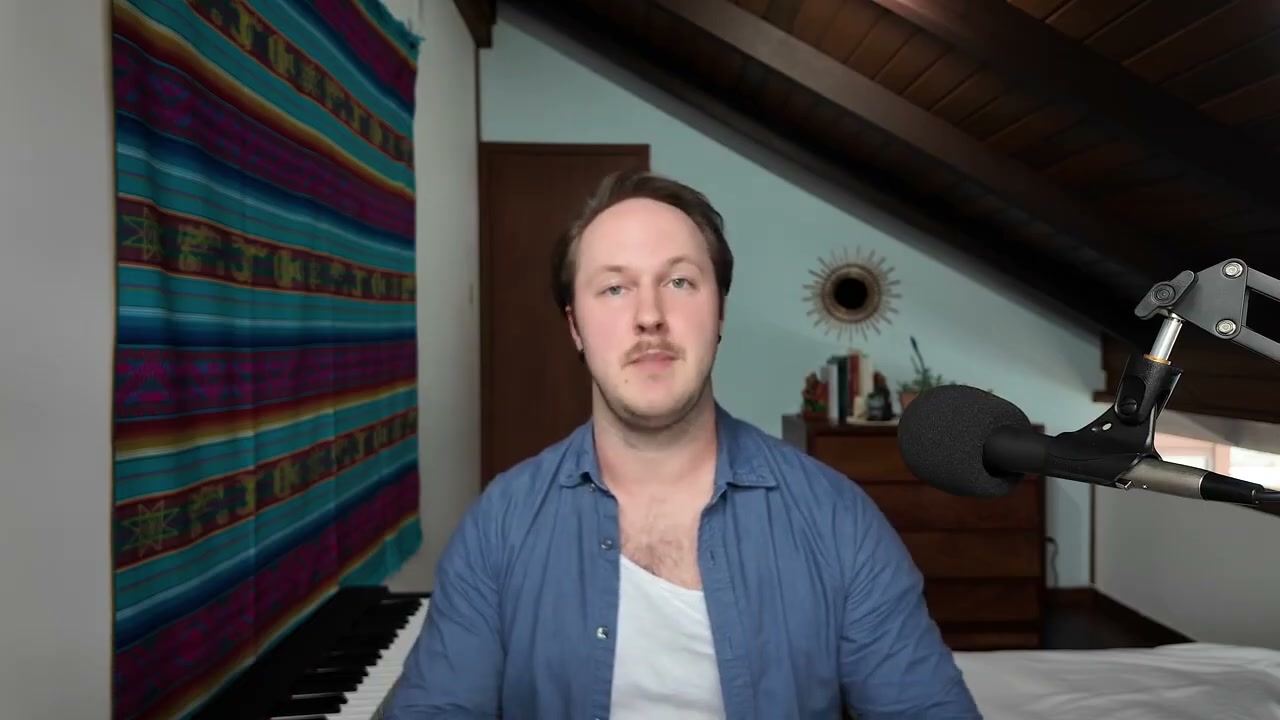
Norwood teaches voice on Tunelark. View Norwood’s profile
Alize R. sings coloratura for a living and has two tricks for fast notes. The first is physical: a quick laugh, felt as a small hop in the abdomen, gives each note its own articulation without the throat doing anything. The second is mental: you can only sing as fast as you can think, so the notes have to be in your head, clearly, before they can come out of your mouth. Learn the run slowly enough to hear every pitch, and the speed follows.
Skill video · Fast Notes and Coloratura
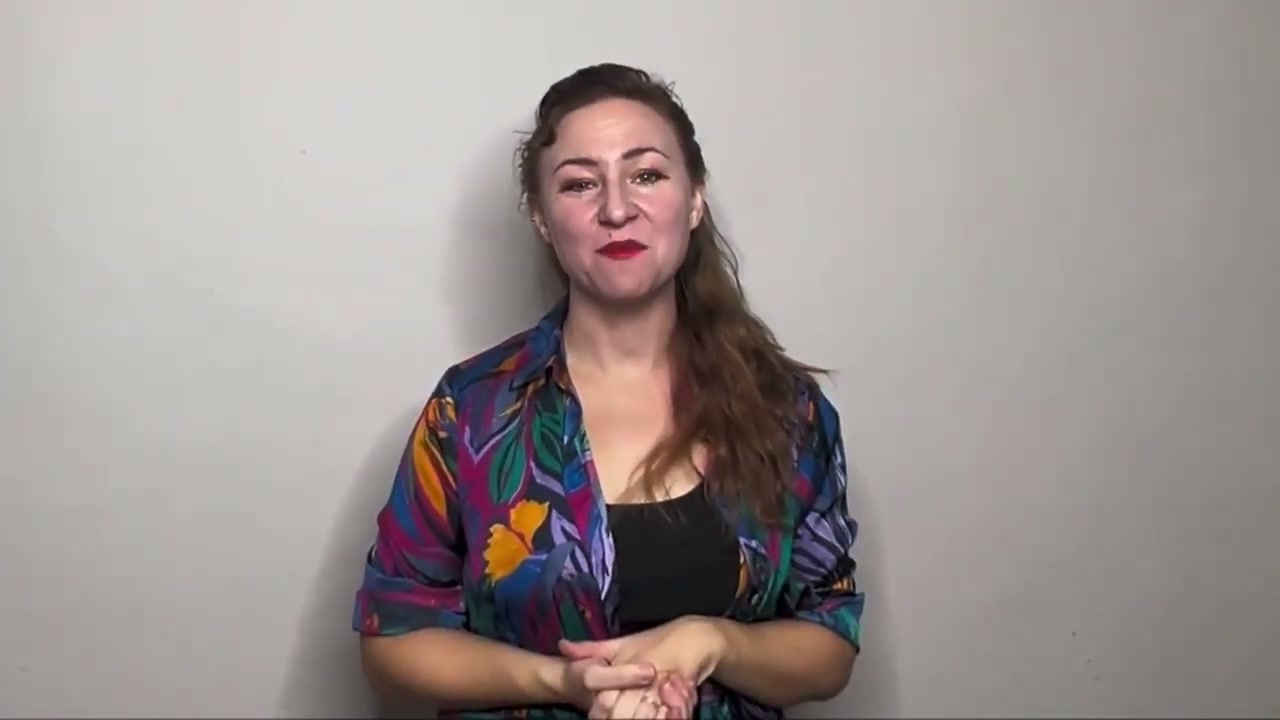
Alize teaches voice on Tunelark. View Alize’s profile
Put the song where your voice lives
None of this works on a song that sits in the wrong place. Recordings are in the key that suited the original singer, and a song that lives at the top of someone else’s range will be a strain at the top of yours. Move it. A few semitones down, or up, usually turns a fight into a song, but check both ends of the song after you move it. Dropping the key to take the strain off the top can push the lowest phrases under your usable range, where they go breathy or disappear altogether, and moving up does the same thing at the top. The key you want is the one where the hardest note is merely the highest and the lowest line still speaks. Our Get to Know Your Voice article covers finding the comfortable middle that the song should sit in. If you play an instrument, transposing is a skill worth having for exactly this reason, and it is worth asking a teacher to show you how to move a song at the keyboard rather than working every chord out note by note. If you do not, most backing tracks and karaoke apps have a key control, and a teacher can tell you in one lesson which key is yours.
Pitch trouble on a song is usually the same problem in disguise; How to Sing in Tune covers the rest.
A week with one song
Day one is speech only: read every line as a sentence to someone, and mark where the breath goes. Day two is the melody: work through it phrase by phrase at a keyboard or against the recording until you can sing each phrase back with the sound off, then put the recording away. Day three, intone each phrase on one pitch, then sing it, and find the vowels the consonants are hiding. Day four, buzz each phrase and sing it with the same air. Day five, the long lines slid together until they connect, then the runs, slowly, in that order. Day six, the whole song, recorded, then listened back to twice, once for the overall impression and once to work out what to fix (Should You Record Your Singing Practice? covers how to run those two passes without tearing yourself apart). Day seven, sing it for someone.
That is more than most singers give a song and less time than they spend repeating it badly. The order is what matters, and it is the same order a teacher will use in lessons; The Voice Practice Routine That Actually Keeps You Singing shows how it fits into a week of practice.
How to Find a Voice Teacher on Tunelark
A song is the fastest way to find out what a teacher is like, because every step above involves a judgment: whether the line is connected, whether the vowel is open, whether the run is clean or a blur. To get started:
1. Open our voice lessons page.
2. Read bios. Look for teachers who describe how they work on repertoire, not only technique in the abstract.
3. Book a trial lesson with one whose approach makes sense to you, and bring a song.
4. In the trial, sing a phrase of it and ask what they would change first. The answer will usually be one of the steps above, and it will tell you how the lessons will go.
Most teachers in the videos take new students now, and each video links to the teacher’s profile.
Frequently Asked Questions
What is the fastest way to learn a song?
Words first. Say every line as a sentence before you sing it, mark the breaths, then add the melody phrase by phrase. It feels slower than singing along with the recording and produces a song you can sing without it.
Should I learn a song with the recording or without it?
Use the recording to learn the melody and the feel, then put it away. Singing along teaches you to follow; the steps above teach you to sing. Come back to the recording only to check details.
How do I know if a song is in the right key for me?
If the highest or lowest notes are a strain, or you avoid them, it is in the wrong key. Move it a few semitones until the hardest note is merely the highest, and the song sits in the comfortable middle of your range.
How long does it take to learn a song?
A week of short, ordered daily sessions is enough to learn most straightforward songs securely. Learning it well enough to perform without thinking about the steps takes longer, and it gets faster with every song.
Why do my runs sound messy?
Because they are being sung faster than they are being thought. Slow the run down until every note is clear and in your head before you sing it, then speed up only as far as the clarity holds.
Do I need to read music to learn a song?
No. Every step in this article works by ear and from the lyric sheet. Reading music helps with harder repertoire and with transposing, and a teacher can add it later if you want it.
Looking for an online voice teacher? See our full Online Voice Lessons page for everything you need to know about getting started.
Keep reading
About Jennifer Heath
I'm Jennifer Heath, VP of Operations at Tunelark and a lifelong singer. I joined the company in 2020 and oversee much of what makes Tunelark work for students and teachers: hiring, training and supporting our instructors, student support, marketing and day-to-day operations. I started voice lessons at 7 and sang with touring choirs through my teens. Music belongs in every life, for the self-expression, the discipline, the comfort and the simple joy of it.