Online Guitar and Bass Lessons
Online guitar and bass lessons with vetted teachers across every style. Make consistent progress without the commute.
Guitar is one of the most rewarding instruments you can learn, and one of the most popular on Tunelark. Whether you’ve never held a guitar in your life or you’ve been playing for years and want to push further, online guitar lessons give you direct access to a skilled teacher, on your schedule, from wherever you are. Bass guitar lives on this page too: most of our bass teachers also teach guitar, and the bass section below covers who those lessons are for and how they differ.
At Tunelark, every guitar teacher is vetted before they work with students. You get flexible scheduling, a consistent teacher who knows your playing, and lessons designed around your goals, not a generic curriculum. Many adult players also notice something quieter: the focused practice itself becomes a form of stress relief.
Why Online Guitar Lessons Work
If you’ve ever wondered whether you can really learn guitar online, the short answer is yes, and for most students, it works just as well as in-person lessons. Here’s why.
You can see exactly what your teacher’s hands are doing. Guitar technique is highly visual. Chord shapes, finger placement, picking hand position, strumming patterns: all of it is clearly visible on camera. Your teacher can show you precisely what to do, and correct your technique in real time as you play.
Video quality is more than enough. You don’t need a professional setup. A laptop, tablet, or phone gives your teacher everything they need to see your fretting hand and assess your technique. Most students are surprised by how effective it feels from the first lesson.
Consistency becomes easier. Fewer commutes means fewer cancelled lessons. Consistency, showing up week after week, is what builds guitar skills. Six months of weekly lessons will produce more progress than sporadic in-person lessons spread over a year.
You have access to better teachers. When you’re not limited to whoever teaches within driving distance, you can find someone who specializes in exactly what you want to learn: fingerpicking folk, jazz chord-melody, shred technique, or classical guitar. Tunelark’s marketplace covers every style.
Still skeptical? Our piece on whether online music lessons actually work looks at the evidence honestly.
Who Online Guitar Lessons Are For
Guitar lessons are for anyone who wants to learn. That sounds obvious, but it’s worth saying directly, because a lot of people talk themselves out of starting before they even try.
Absolute Beginners
Starting from zero is the best time to start. A good beginner guitar curriculum covers how to hold the guitar, basic open chords, clean fretting technique, simple strumming patterns, and how to change between chords without losing the beat. Getting this foundation right, with a teacher guiding you, saves months of practicing bad habits that you’d eventually have to undo.
Self-Taught Players Who Want to Level Up
A lot of guitarists learn on their own through YouTube, tabs, and trial and error, and hit a ceiling. Self-taught players often develop habits that limit them: an inefficient picking hand, a fretting thumb that wraps over the neck, wrist tension that caps their speed. An online guitar teacher can identify exactly what’s holding you back and give you a plan to fix it.
Kids and Teens
Kids are natural guitar students: they pick up technique quickly, and habits formed early tend to stick. Tunelark’s guitar teachers work with children as young as six and know how to keep lessons engaging. The goal isn’t just technique. It’s building a relationship with music that lasts. A child who looks forward to their lesson will practice. One who dreads it won’t.
Adults Who Always Wanted to Learn
Guitar is one of the most common bucket-list instruments for adults. Adult students make great progress when they have consistent lessons and a teacher who takes their goals seriously. You’re not too old. Adults bring patience and self-awareness that make them efficient learners. If you have always wanted to learn guitar but never had the chance, online lessons remove most of the friction that used to make adult beginners give up.
Intermediate Players Who Want to Expand Their Style
If you can play a few songs but feel like you’ve hit a wall, a teacher can open up new territory: barre chords, scales, music theory, chord inversions, or a new genre entirely. Intermediate players often progress quickly once they have a structured direction.
What You’ll Learn in Online Guitar Lessons
Your lessons are built around your goals, your level, and the style of music you care about. Here’s a sense of what guitar lessons typically cover across different stages of learning:
Chords and chord transitions. Open chords, barre chords, power chords, inversions, and jazz voicings, depending on your level and style. Clean, timed transitions are one of the foundational skills every guitarist builds.
Strumming patterns and rhythm. Your teacher will help you develop a strong sense of rhythm, learn strumming patterns for different feels, and keep steady time, one of the most underrated skills in guitar.
Fingerpicking and fingerstyle technique. Fingerpicking opens up a new world: folk, country, classical, contemporary acoustic. Your teacher can introduce alternating bass patterns, Travis picking, and full fingerstyle arrangements.
Scales, modes, and lead playing. The pentatonic scale is the usual gateway to improvisation. From there, lessons explore the major and minor scales, modes, and how to apply them musically in solos and fills.
Music theory for guitarists. Understanding how chords are built, how keys work, and how to find the right notes over a progression makes you a more musical player, not just a more technical one.
Reading tabs and notation. Most guitarists start with tabs. Your teacher will help you read them accurately and introduce standard notation if you want to go further.
Genre-specific technique. Blues vibrato, classical right-hand positioning, rock palm muting, jazz chord voicings, country hybrid picking: the technique that matters depends on the music you play.
Improvisation and soloing. Making up music in real time over a chord progression is one of the most exciting milestones in a guitarist’s development. Your teacher will give you the tools to do it musically.
If tabs are new to you, start with our quick guide on how to read guitar tabs, and our roundup of beginner guitar tips covers the early habits worth building.
Guitar Styles Taught on Tunelark
Tunelark has guitar teachers who specialize across the full range of styles. Whether you have one in mind or you’re still figuring out what kind of player you want to be, there’s a teacher for you:
Acoustic guitar. Strumming, fingerpicking, singer-songwriter style, and folk. The starting point for many players and a lifelong pursuit for others.
Electric guitar. Tone, gear basics, bends, vibrato, palm muting, and stylistic depth in rock, blues, and jazz.
Classical guitar. Formal right-hand technique, reading notation, and classical repertoire.
Fingerstyle guitar. Solo arrangements, alternating bass, and chord-melody playing.
Blues. Bends, vibrato, the blues scale, 12-bar form, and expressive soloing.
Rock. Power chords, riffs, distortion technique, and classic and modern rock styles.
Pop. Chord-based playing, capo use, and contemporary strumming patterns.
Country. Hybrid picking, chicken picking, and pedal-steel-style bends.
Jazz. Jazz chord voicings, chord-melody arrangements, and the theory that underpins one of guitar’s richest styles.
Start learning now
You do not need a lesson booked to begin. Each of these guides explains one part of playing guitar and hands the demonstration to our teachers, in short lessons you can follow at home today.
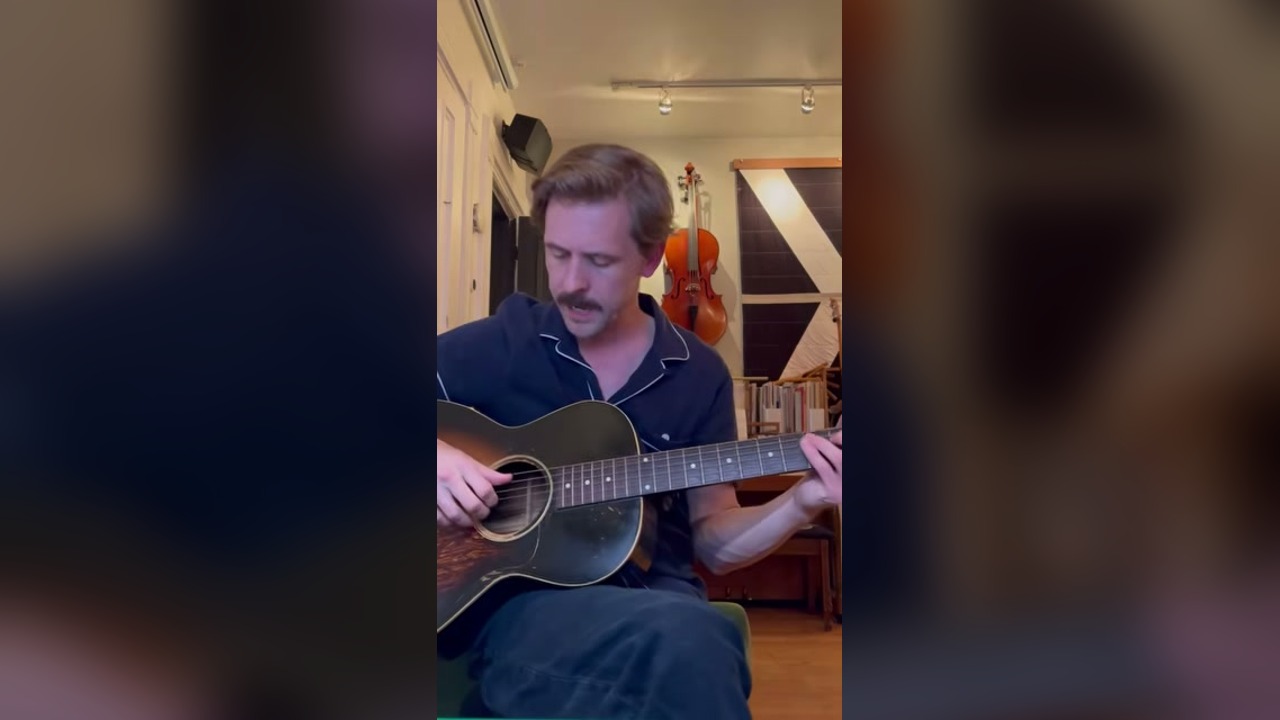
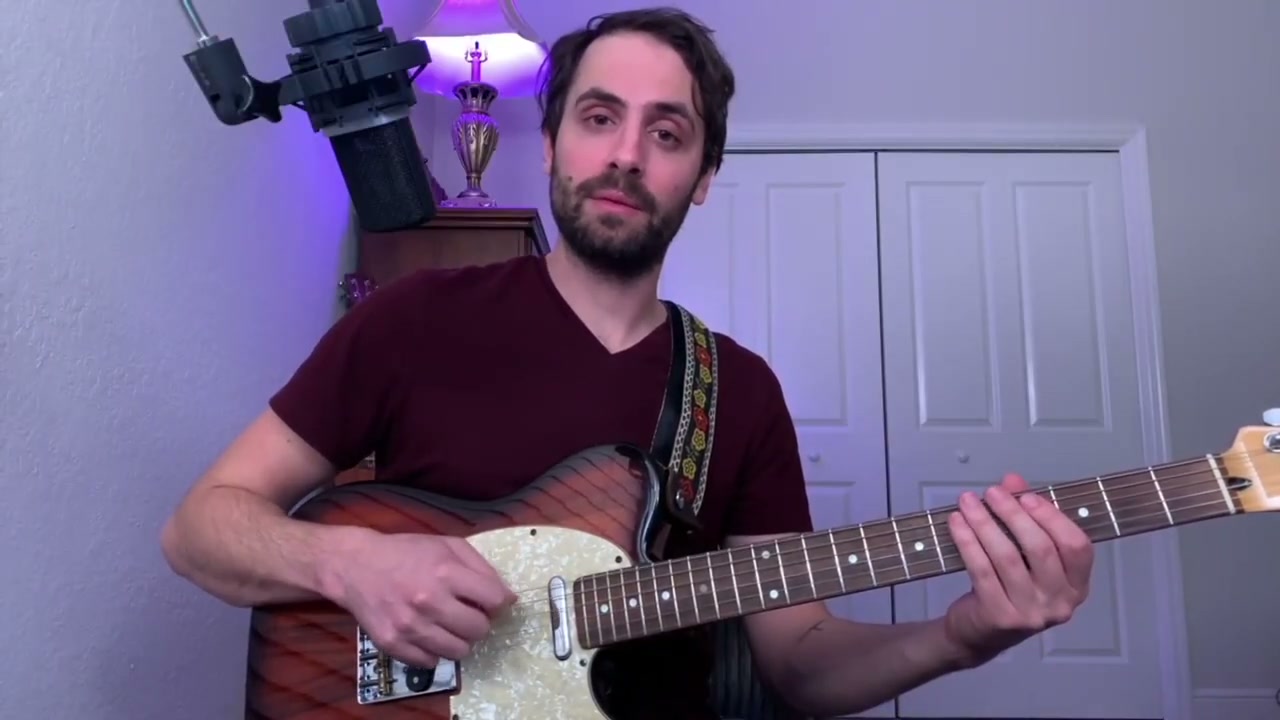
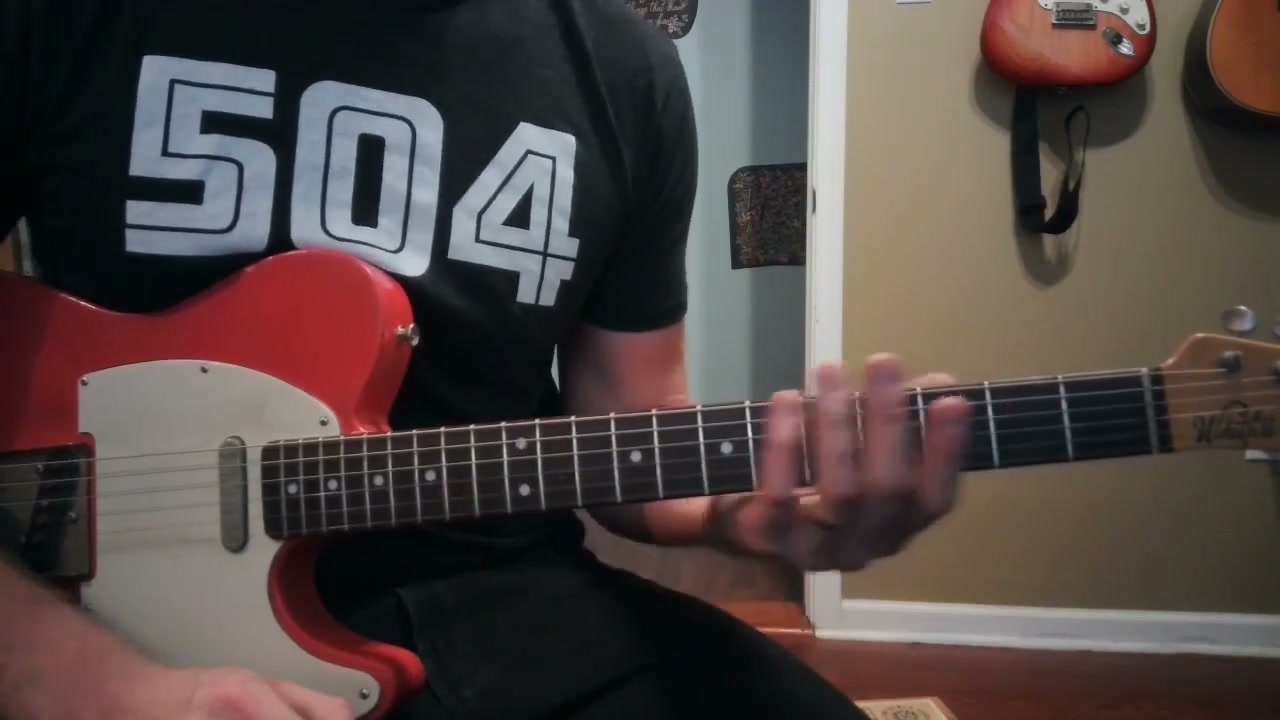
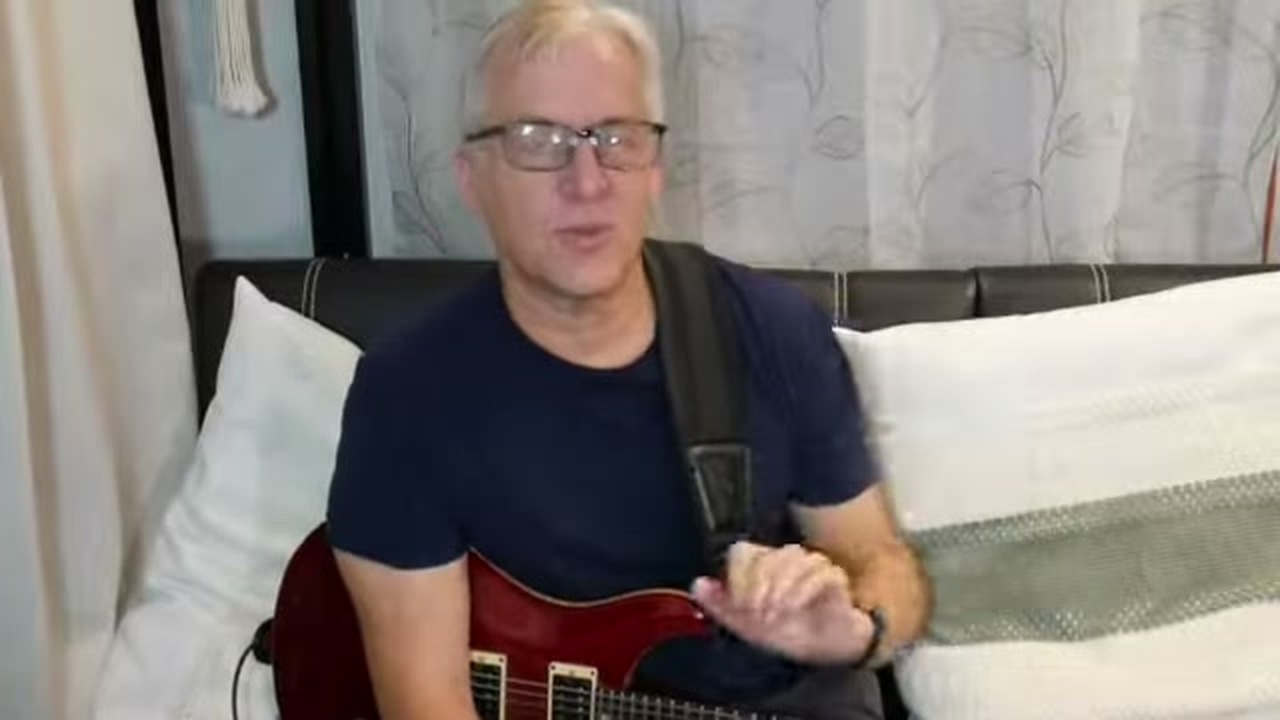
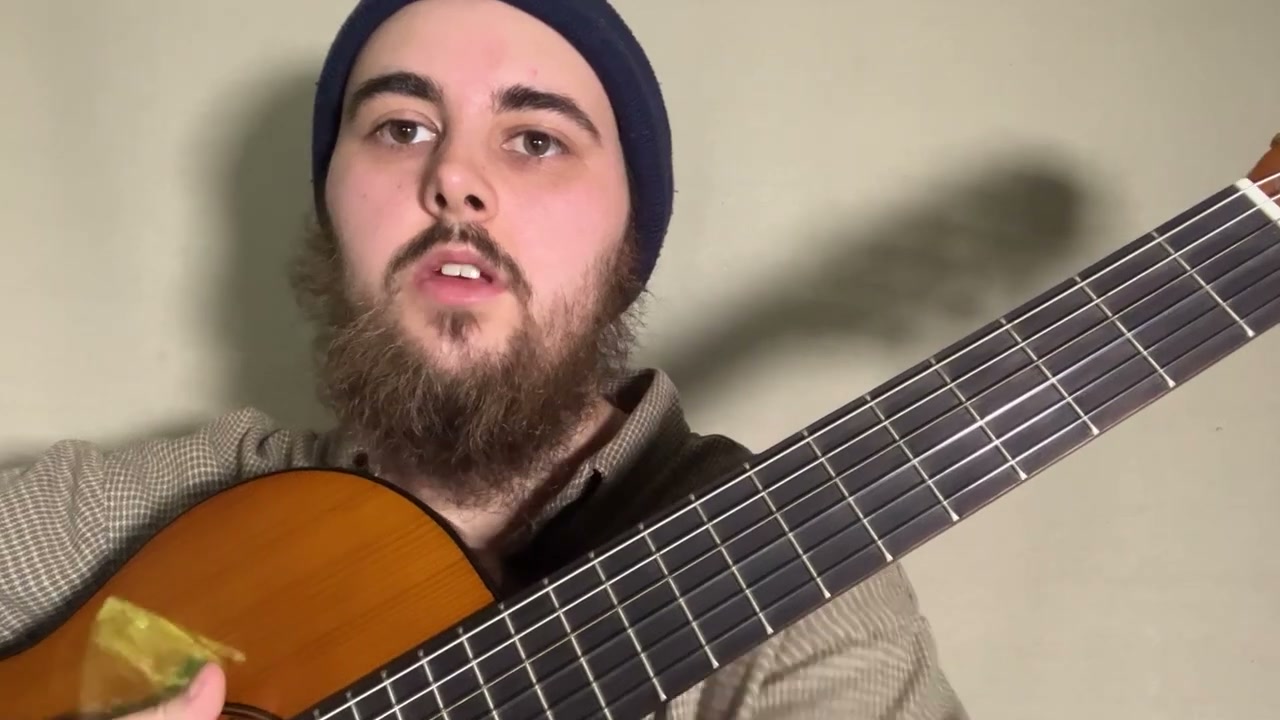
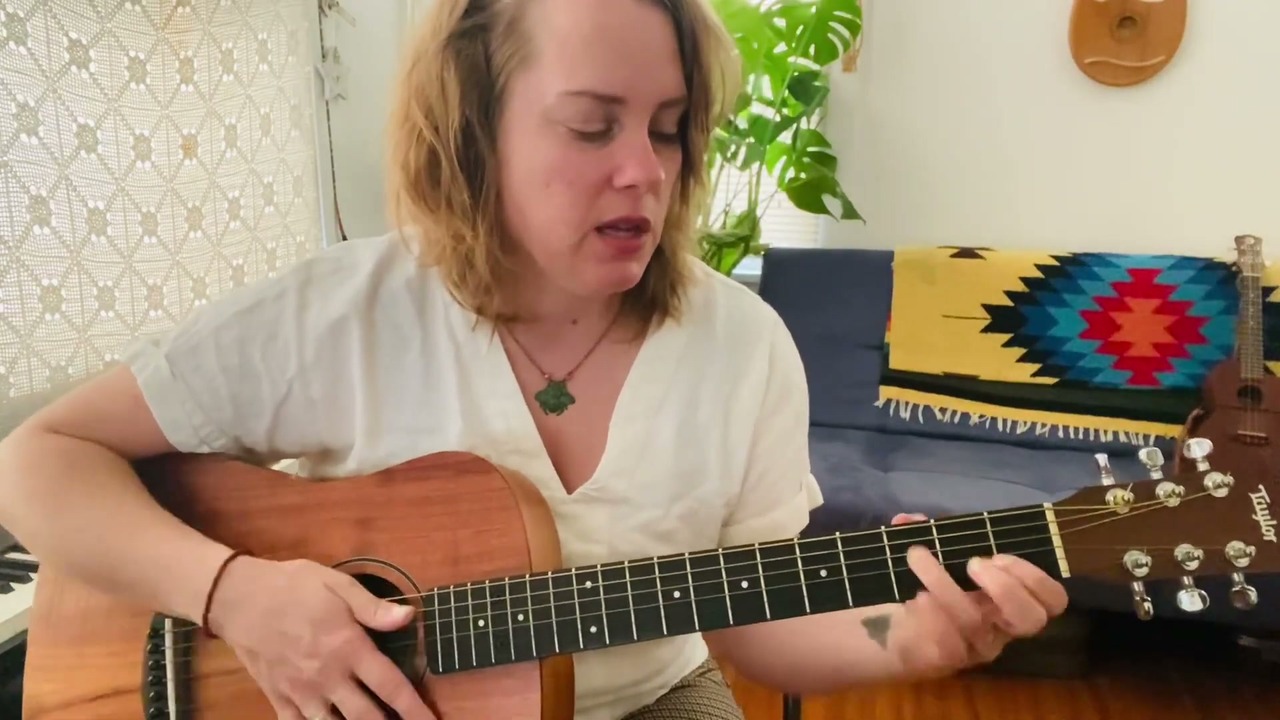
All of our guitar and bass guides, including the teacher interviews, are on the Guitar & Bass guides page.
Bass Guitar Lessons
Bass lessons live on this page for a practical reason: eight of our ten bass guitar teachers also teach guitar, and most bass students arrive already holding one instrument or the other. If you want to play rock, funk, jazz, R&B or pop, the bass is the instrument that locks the band together, and it rewards real study.
Who bass lessons are for. Complete beginners who have never held a fretted instrument. Guitarists who were handed the bass in a band and want to play it properly rather than as a low guitar. Self-taught players whose timing or fretboard knowledge has stalled. Gigging players who want slap technique, walking lines or better reading. Every bass teacher on Tunelark is vetted the same way as every guitar teacher.
How they differ from guitar lessons. Guitar lessons build chords, strumming and lead playing. Bass lessons build the right hand first, fingerstyle, pick, slap and muting, and then the pocket: locking in with a drummer, subdividing the beat, and choosing the one note that makes the chord sound right. Fretboard knowledge matters more and sooner, because a bass line is single notes across the whole neck rather than shapes held in one position. Guitarists switching over bring some habits that help and a few that do not transfer, and a teacher sorts the two in the first weeks.
Three short lessons from our bass teachers to start with. Gillian H. takes one note a week across the whole neck, find every E, name them, play them, then play them to a metronome, so that twelve weeks later you know every note on the instrument. TJ F. tunes a four-string bass three ways, by ear, with a tuner and by harmonics. And Gillian plays the bass line to “Superstition,” which is where the pocket lives.
Skill video · Learning the Notes
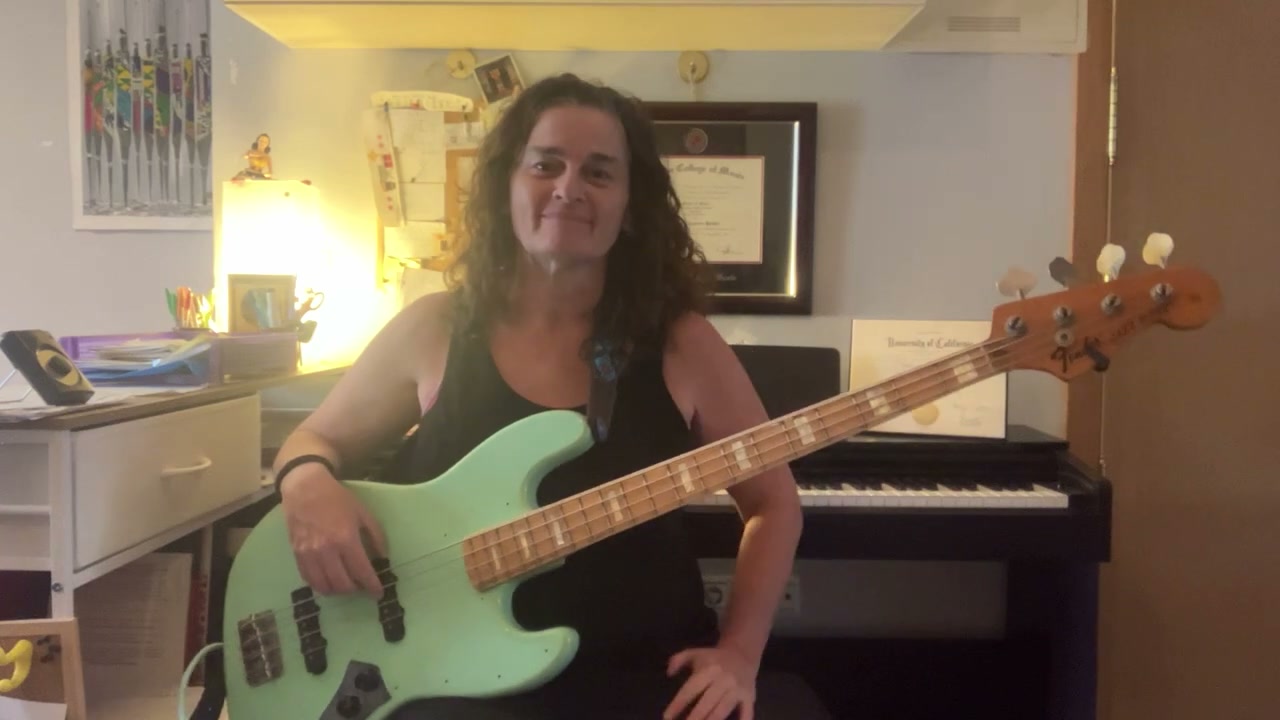
Gillian teaches bass and voice on Tunelark. View Gillian’s profile
Skill video · Tuning
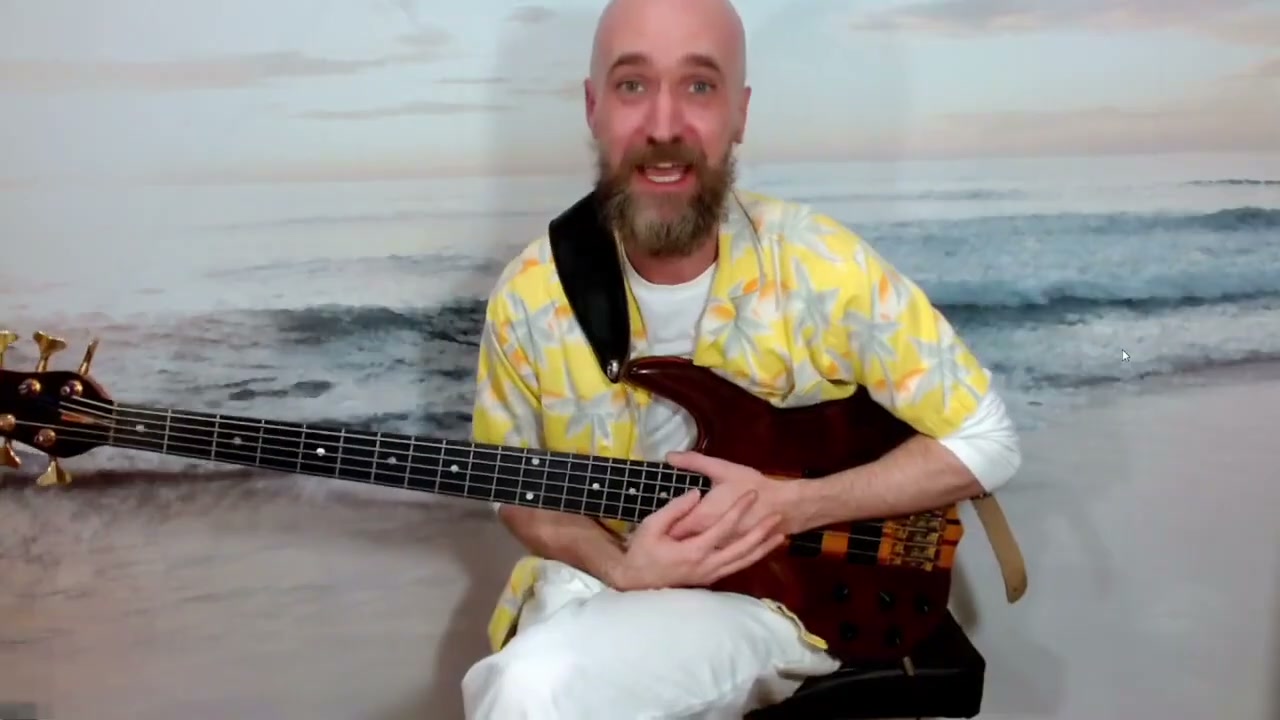
TJ teaches guitar, bass, piano and voice on Tunelark. View TJ’s profile
Performance · Superstition
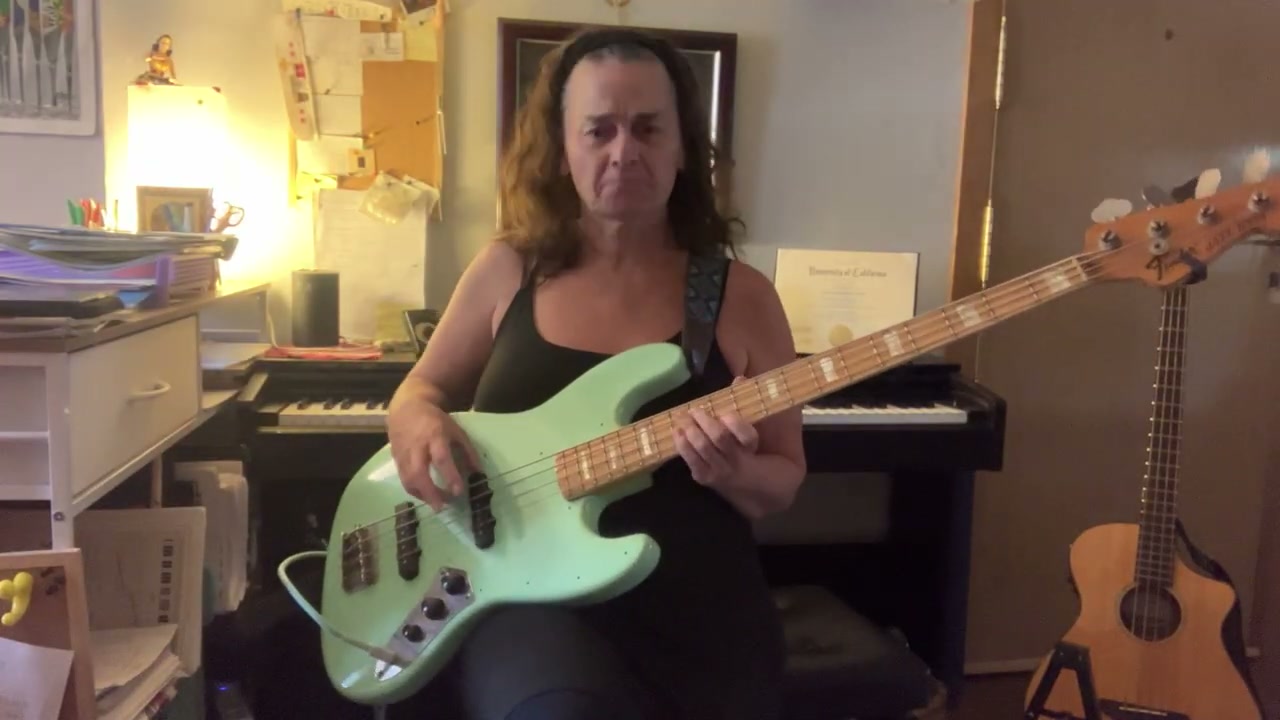
Gillian plays Superstition. View Gillian’s profile
Our bass guides pick up from here: Beginner Bass Tips for the first weeks, Online Bass Lessons for Adults for returning players, Online Bass Lessons: A Guide for New and Returning Players for how the lessons work and what gear you need, and Best Online Bass Guitar Teachers for a short vetted list. All of them are on the Bass guides page.
The teacher-finding advice below applies to both instruments. To browse the bass teachers on their own, filter Find a Teacher by bass guitar.
How to Choose the Right Guitar Teacher
The right teacher makes a bigger difference than most people realize. Here’s what to look for when browsing Tunelark’s guitar marketplace:
Style match. A classical guitar teacher and a blues teacher have very different priorities. Find someone who plays and teaches in the style you care about most. Lessons are more effective, and a lot more fun, when your teacher is genuinely enthusiastic about the music you’re working on.
Experience with your level. Some teachers specialize in beginners. Others do their best work with intermediate or advanced players. Look for a teacher whose profile reflects experience at your level.
Experience with your age group. If you’re booking lessons for a child, look for someone with a track record of teaching kids. Teaching a seven-year-old requires different skills than teaching a thirty-five-year-old, and good teachers know that.
Their profile video. Every Tunelark teacher records a short introduction video. Watch it. You’ll get a feel for their communication style and whether the energy seems like a match, all in under a minute.
Trial lesson. Every new student starts with a trial lesson, a chance to try a teacher before committing to recurring lessons. If it’s not the right fit, you find someone else. No pressure, no awkward conversation.
For a curated shortlist, see our roundup of the best online guitar teachers currently available on Tunelark.
How Online Guitar Lessons Work on Tunelark
1. Browse guitar teachers. Search by style, student age, experience level, or availability. Read profiles, watch introduction videos, and see reviews from current and past students.
2. Book a trial lesson. Your first lesson with any teacher is a trial. It’s designed to help you assess the fit, not to lock you into anything. One lesson, no commitment.
3. Set up recurring lessons. If the trial goes well, you and your teacher set a recurring weekly schedule. Most students do one lesson per week.
4. Practice between lessons. Your teacher will give you specific things to work on: exercises, chord transitions, a riff, a section of a song. The lesson sets the direction; the practice is where the progress actually happens.
5. Watch yourself improve. Progress in guitar is incremental week to week and dramatic month to month. Most students notice real, meaningful changes within the first two to three months of consistent lessons and practice.
Frequently Asked Questions About Online Guitar Lessons
Can you really learn guitar online?
What guitar do I need to start?
Should I start on acoustic or electric?
What’s the best age to start guitar lessons?
How long before I can play a real song?
What styles of guitar can I learn on Tunelark?
How much do online guitar lessons cost?
What is a trial lesson?
Ready to start?
Browse Tunelark’s vetted guitar teachers and book a trial lesson when you find the right fit.
Related Reading
- Best Online Guitar Teachers
Vetted guitar instructors across acoustic, electric, classical, and more. - Beginner Guitar Tips
Practical advice for the first weeks of learning guitar. - How to Read Guitar Tabs
Decode guitar tablature so you can learn songs faster. - What to Expect in Your First Online Music Lesson
A walkthrough of how a first lesson actually unfolds. - Are Online Music Lessons Good?
An honest answer to the question every new student asks. - Online Music Lessons: Cost & Pricing Guide
What online lessons actually cost and what affects pricing. - How to Stay Motivated in Music Lessons
Strategies for pushing through plateaus and staying engaged. - Fingerstyle Guitar for Beginners: The Patterns That Unlock Thousands of Songs
What fingerstyle guitar is, which picking pattern to learn first, why the thumb is the bass player, and how to practice it, with our teachers showing each. - The Fretting Hand: How to Play Guitar Cleanly Without the Strain
Where the thumb sits, why the palm stays off the neck, how to keep fingers close, mute what you do not want and hammer on cleanly, shown by our guitar teachers. - Guitar Scales and the Fretboard: What to Learn First and How It All Connects
Where every guitar scale comes from, why the pentatonic works over everything, how the five boxes connect across the neck, and what CAGED is for. - How to Start Improvising on Guitar: From a Twelve-Bar to Your First Solo
How guitarists actually learn to improvise: the twelve-bar form, the scale across the neck, a lick you borrow, a lick you make, and what a good solo does. - Easy Guitar Songs You Can Play With Two or Three Chords
Two-chord and three-chord songs for beginners, with the exact chords, capo notes, tempo targets and the one thing that trips people up on ea - How to Tune a Guitar (or a Ukulele) Without Guessing
How to tune a guitar or ukulele: string names, the right tuner, the method, the mistakes that make tuning feel hard, and how to tune by ear. - Music Theory for Guitarists: Why Your Chords Belong Together
Music theory for guitar from a jazz-trained teacher: the essentials to learn, how the 1, 4 and 5 become movable shapes, and why it matters f - How to Learn Jazz Guitar When You Come From Rock or Blues
How to learn jazz guitar from rock or blues: what carries over, which chord shapes to start with, how comping feel is built, and what to lis