The Power of 1-on-1, Online Music Lessons
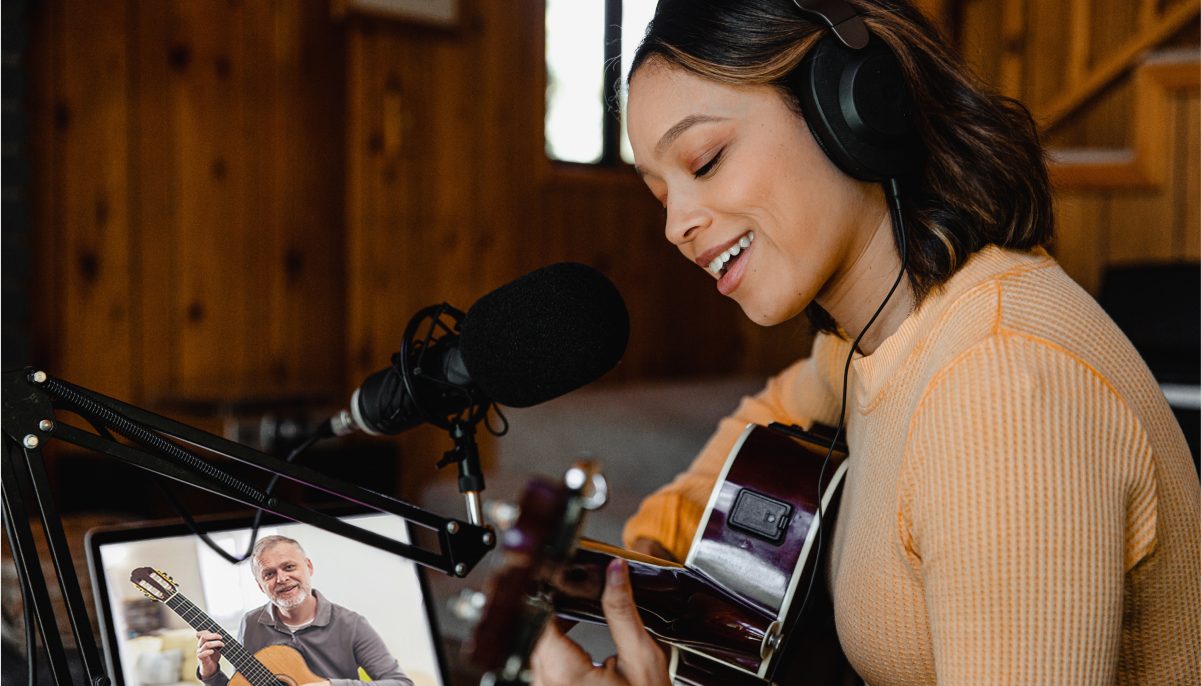
One of the most important factors in a music student’s progress is the quality of individual attention they receive. Group classes, apps, and video tutorials all have their place, but none of them can replace what happens when an experienced teacher focuses entirely on one student and tailors every moment of every lesson to that student’s specific needs, strengths, and goals.
One-on-one online music lessons have made this level of personalized instruction more accessible than ever. Here’s why the format works, and what to look for to get the most out of it.
What Individual Attention Catches
In a group setting, a teacher’s attention is divided across the room. An individual technical fault can go unnoticed for longer than it would in a private lesson, not because group teaching is careless, but because a teacher listening to everyone at once will not catch every small thing one pair of hands is doing. Bad habits, once established, are much harder to unlearn than they would have been to prevent.
In a private lesson, the teacher is watching only you. When your bow angle is slightly off, when you’re tensing your shoulder during a chord transition, when you’re rushing a particular passage, a good private teacher catches these things in real time and addresses them before they become ingrained. This real-time feedback loop is the mechanism behind private teaching. A mistake gets named while you can still feel what your hand did, rather than after a week of practicing it into place.
Personalization Drives Motivation
One of the most common reasons students quit music lessons is that they feel disconnected from what they’re learning. A private teacher can build lessons entirely around what a student actually wants to play. If you came to guitar because you love a specific artist, a good teacher starts there. If you want to learn piano to play at a friend’s wedding in six months, your lessons are structured around that goal.
Tony G., who teaches guitar on Tunelark, asks a new student for a list of songs they would love to play, and the one or two they can start on right away become the way technique gets taught. Songs, in his experience, tie the work to something the student cares about, and students working on music they love practice more consistently and stay with it longer.
Motivation is one of the biggest predictors of how far a student goes. A student who looks forward to lessons practices more and stays with the instrument longer.
Ready to get started? Find the right teacher and book a trial lesson on Tunelark.
How Online Lessons Unlock Access
The traditional model of private music lessons was limited by geography. You could only work with teachers who lived within a reasonable driving distance. For students in smaller cities or rural areas, that meant limited options and limited specialization, and for less common instruments often no teacher within reach at all.
Online lessons break that constraint entirely. A student in rural Montana can work with one of the top voice teachers in Nashville. A jazz piano student in a small town can study with a Berklee-trained pianist. The best teacher for your specific goals is now accessible regardless of where either of you lives.
Distance is not the only barrier the format removes. Jason W., who teaches guitar on Tunelark, says many of his students are more comfortable in a video lesson than they would be in person. A shy or self-conscious student, he finds, relaxes and focuses better at home.
What Makes a Great Online Lesson Experience
The format matters, but not as much as the teacher. That said, a few practical elements make online lessons work better:
- A reliable connection. Wired ethernet is more stable than WiFi for audio-sensitive applications. Most modern broadband is fine, but consistency matters.
- Good audio. The built-in microphone on a laptop is usually adequate to start. As you progress, a dedicated microphone or audio interface makes a noticeable difference in what your teacher can hear.
- Good lighting. Your teacher needs to see your hands, posture, and technique clearly. Make sure you’re well lit from the front, not backlit by a window.
- Your actual instrument. This sounds obvious, but learning on the instrument you own (not a travel version or a borrowed beginner model) gives your teacher an accurate picture of what you’re working with.
The Trial Lesson: How to Find Your Teacher
The most important step in private music instruction is finding the right teacher. A great teacher for someone else may not be right for you, and that’s okay. The trial lesson exists for this reason. On Tunelark, the first lesson with a new teacher is $25 off that teacher’s 30-minute rate.
In your first session, pay attention to how the teacher communicates feedback. Do their explanations make sense to you? Do you leave the lesson feeling capable and motivated, or slightly deflated? Do they ask about your goals, or assume they already know? These signals tell you more than any credential.
It helps to have seen how a lesson runs before you take your first. Claire C., who teaches voice on Tunelark, walks through one in three minutes, from the warm up through working on a song.
Skill video · Teaching Demonstration
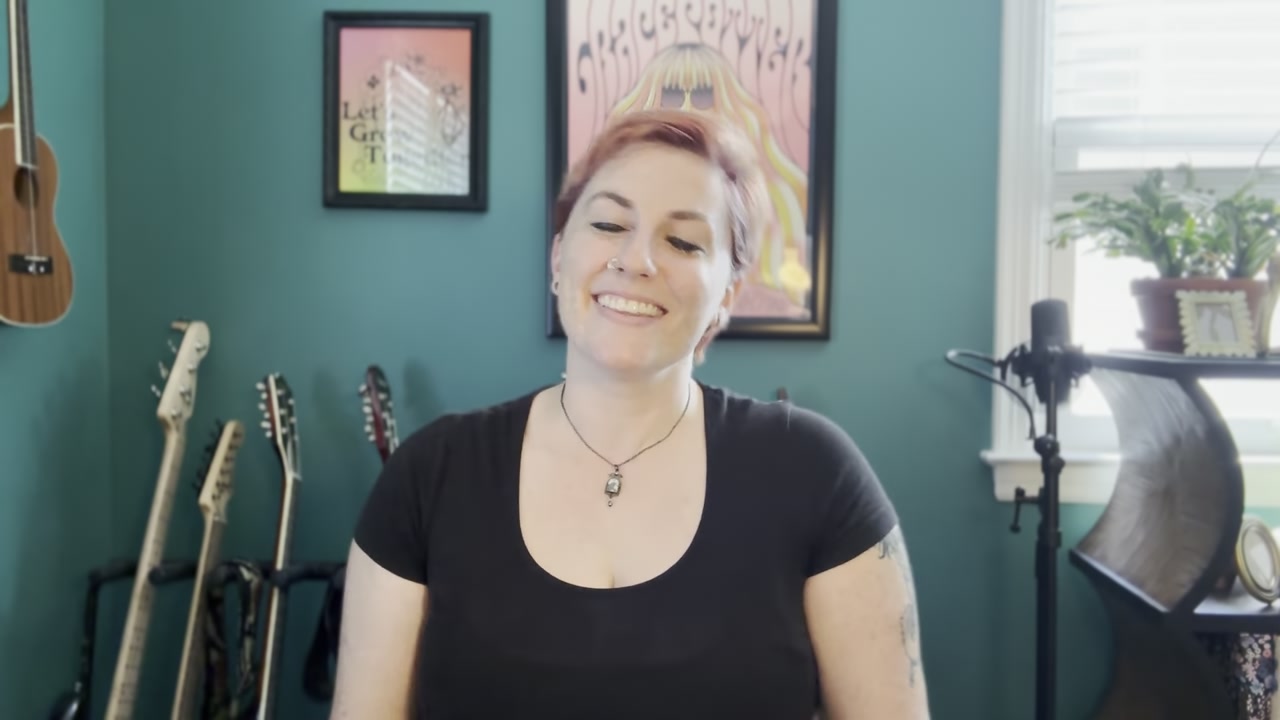
Claire teaches voice lessons online with Tunelark. View Claire’s profile
What a Private Teacher Cannot Do
Individual attention is powerful, and it is not everything. A teacher cannot practice for you. What happens in the days between lessons is where the playing actually changes, and the lesson itself is mostly a correction and a plan for those days.
A teacher also cannot make progress arrive evenly. Most students move in steps with flat stretches in between, and a flat stretch is not evidence that the teaching has stopped working. Nor can a video call replace playing with other people. Latency means you and your teacher take turns rather than play in the same moment, so a band, an ensemble, or a friend in the same room is something to add rather than something a private lesson provides.
The last limit is the one students control. A teacher can only work on what you show them, and most students instinctively play the passage they have polished. Bringing in the one that fell apart on Thursday is what turns thirty minutes into a useful lesson.
How to Get More Out of Each Lesson
Arrive with a question. Something as small as why one chord change keeps buzzing gives the lesson a spine, and most teachers build outward from a real question faster than they build from a blank start.
Write the assignment down in your own words before the lesson ends, and if your teacher agrees, record the lesson so you can hear the correction again midweek when the memory of it has gone soft. Then tell them next week what you practiced and where it broke down. A teacher who knows exactly where the week fell apart can usually fix it in five minutes.
Frequently Asked Questions
Are one-on-one online lessons as effective as in-person?
Teachers who have taught both report that most students, on most instruments, do just as well online. That is experience rather than measurement, and it comes with two real limits. Latency means you cannot play together in the same moment, so duets and live accompaniment are out. And a teacher cannot reach over and reposition a hand, so physical adjustments have to be shown on camera and described in words. Many students find they are actually more focused at home.
What equipment do I need for online music lessons?
A computer or tablet with a camera, a reliable internet connection, and your instrument. A pair of headphones can improve audio clarity. Most students start with what they already have.
How is private teaching different from apps or group classes?
A private teacher adapts every lesson to you, building on your strengths and addressing your individual challenges. Apps and group classes work from a single path built for everyone. A teacher watching only you catches a fault in the moment it happens, which neither an app nor a full room allows.
How do I know if a teacher is the right fit?
Pay attention to how you feel after the trial lesson. Energized and motivated means book a second one. Confused or deflated is a signal to try someone else. Past that, give the fit about a month, since rapport takes a few sessions to build.
How often should I take private lessons?
Weekly is most effective for most students. It provides enough practice time between sessions while maintaining momentum and accountability.
Can children do well with online private lessons?
Yes. Children adapt quickly to the format. A parent helps with setup and then stays within earshot but out of frame for younger students (5–8). Most kids find learning at home comfortable and focus well in the familiar environment.
Keep reading
About Jennifer Heath
I'm Jennifer Heath, VP of Operations at Tunelark and a lifelong singer. I joined the company in 2020 and oversee much of what makes Tunelark work for students and teachers: hiring, training and supporting our instructors, student support, marketing and day-to-day operations. I started voice lessons at 7 and sang with touring choirs through my teens. Music belongs in every life, for the self-expression, the discipline, the comfort and the simple joy of it.
About Tunelark
Tunelark is a community of inspiring, professional music instructors. Our shared vision is to help our students connect with their intrinsic love of music and follow their curiosity to grow as musicians and people.
Lessons take place over video chat so that students can learn from the comfort and convenience of their own home.
Browse our community of expert teachers and pick the one who resonates most with your goals and learning style. As always, we guarantee a great match or your money back.
If you’re ready to get started with 1-on-1 online music lessons, book your first lesson with a Tunelark instructor today. Your first lesson is 50% off!