Best Online Voice Lessons: Choosing a Singing Teacher
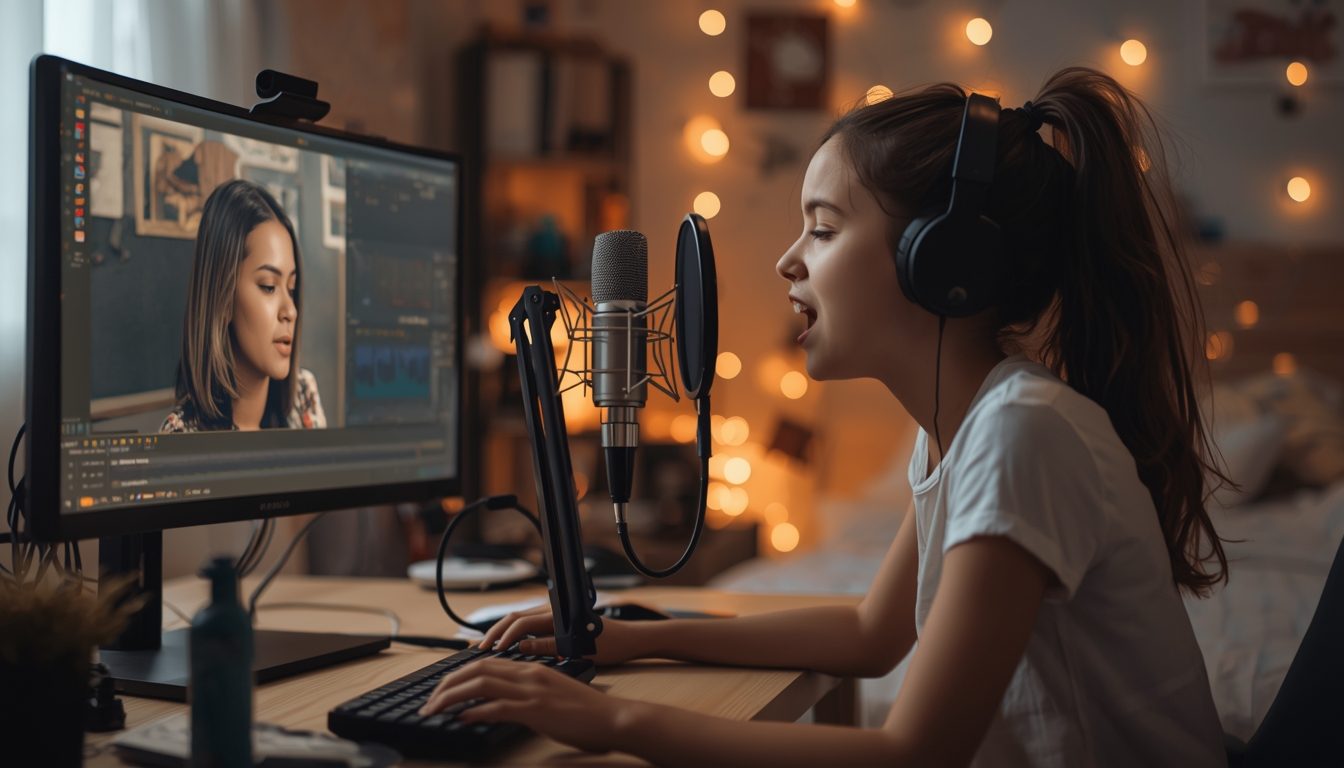
Voice is the most personal instrument. It lives inside you. The way you sing reflects how you breathe, how you stand, how relaxed your jaw is, how confident you feel. Which means that finding a singing teacher isn’t just about finding someone qualified. It’s about finding someone whose teaching style makes you feel safe enough to actually sing.
The best online voice lessons are the ones where you, the student, can let your guard down and do the awkward, vulnerable work of changing how you make sound. That requires a particular kind of teacher. This guide is about how to find one.
What Makes Voice Different
Most instruments are objects you operate. Voice is your body. You can’t put it down between lessons. The “instrument” is your throat, your breath, your face and your posture. A voice teacher isn’t adjusting your hand position. They’re working with your physical self, your habits, sometimes your emotional patterns.
This is why teacher fit matters more for voice than for almost any other instrument. A voice teacher who feels safe to work with (who responds to your weird sounds with calm curiosity rather than judgment) will help you make progress that a more technically credentialed but more critical teacher can’t.
What to Look For in a Voice Teacher
Vocal pedagogy training, not just performing experience. A great singer is not automatically a great teacher. Voice pedagogy is its own discipline, knowing how the voice works mechanically, what causes specific problems, and how to coach a student through changing their own physical patterns. Look for teachers who have studied vocal pedagogy formally or who can articulate a clear teaching approach.
Range and style fit. A teacher steeped in classical bel canto tradition is excellent for an aspiring opera singer and may not be the right fit for a high schooler who wants to belt musical theater. A pop and rock specialist may not know how to teach legit classical technique. Read bios carefully. Voice training is not one-size-fits-all. Our guide to how to sing musical theater covers what that genre asks of a voice, from legit to belt.
Emotional intelligence. This sounds soft, but it’s critical. Voice teachers see students at their most vulnerable. Look for teachers who use language like “let’s experiment with…” rather than “you’re doing it wrong”, and pay attention to how they make you feel in the trial lesson. A teacher who can say what went well before what needs to change is one you will keep singing in front of, and a trial lesson is where you find that out. Our voice teacher buyer’s checklist goes further, with what to read in a profile and the red flags worth walking away from.
What to Set Up at Home
A few practical things make online voice lessons dramatically better:
A real room. Voice lessons in a tiny bathroom or a totally dead closet won’t give your teacher a useful sense of your sound. A medium-sized room with some soft furniture and one hard surface usually works.
A microphone if possible. Built-in laptop mics over-compress the voice and lose dynamic range, so the teacher misses the subtle changes that matter most. Even a basic USB mic improves what they can hear, and it is worth adding once you know you are staying.
Hydration. Have a glass of room-temperature water nearby. Voice work makes you thirstier than you expect.
Standing room. Most voice work happens standing. Make sure you have space to stand, with the camera positioned to capture you from at least waist-up.
Headphones for the lesson. Hearing your teacher clearly is essential. Earbuds work fine if that’s what you have.
What to Expect in the First Few Lessons
A new voice student will usually spend the first few lessons working on:
- Breath. How you inhale, how you support tone with your air, how you sustain.
- Posture. How you stand, where your shoulders are, how relaxed your jaw is.
- Resonance. How the space above your larynx shapes the sound, and the sensations of vibration in the face and chest that go with an efficient tone.
- Range exploration. Finding the edges of your comfortable range without pushing.
If your first month of lessons is mostly about “can you sing this hard song” rather than these fundamentals, that’s a yellow flag. Strong voice teachers spend time on the boring foundation work, and that boring work is what makes the hard songs possible later.
This is what that foundation work looks like when it is done well. Claire C. runs a lesson end to end, warm up through working on a song, so you can see the shape before you book one.
Skill video · Teaching Demonstration
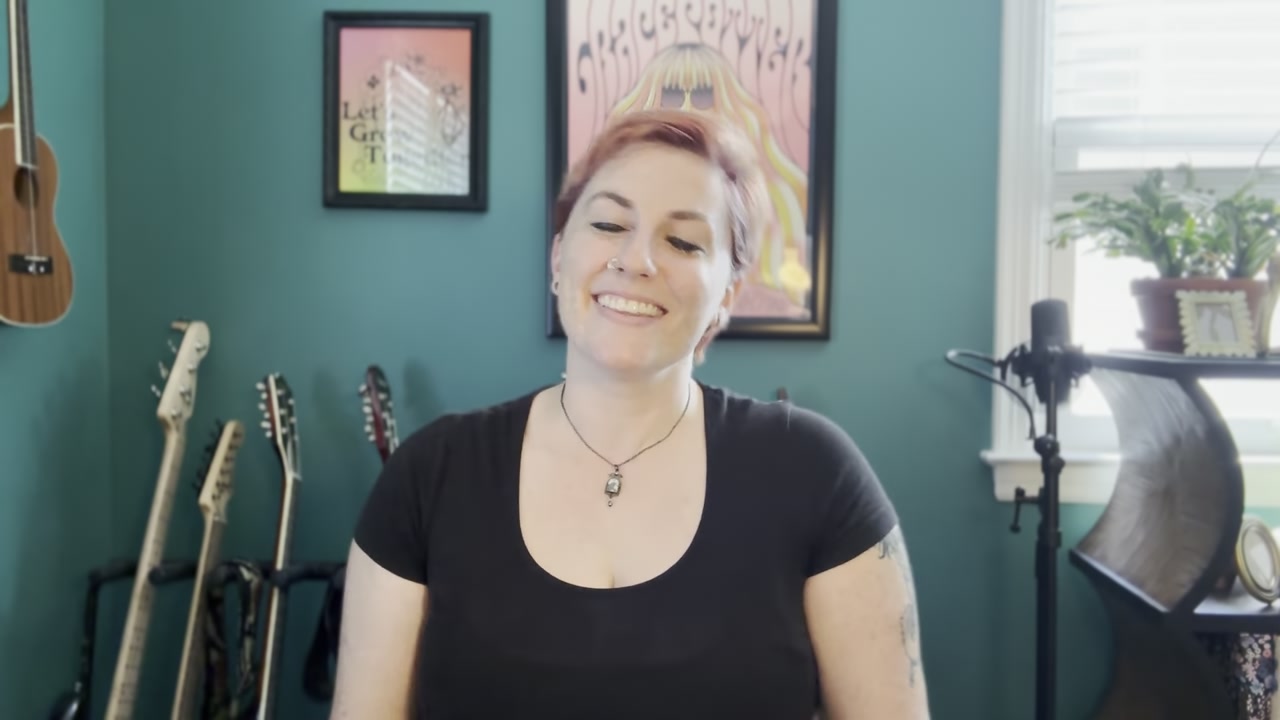
Claire teaches voice on Tunelark. View Claire’s profile
What Our Voice Teachers Specialize In, and Why It Decides the Match
Voice splits into traditions, and a teacher who is excellent in one is not automatically the right teacher for another. Ahou Y. studied musical theater and classical voice for a bachelor of fine arts at the University of Utah, and sings solo repertoire from Mozart through French art song. Alawna M. took a musical theater degree and coaches pop and rock alongside it, after a Kennedy Center musical theater intensive. Alize R. holds a bachelor’s and a master’s in opera performance from the Curtis Institute. Any of them can teach a beginner to breathe. Which one you want depends on what you intend to be singing in a year, so say that in your first message.
How Long Until You Sound Different?
Voice is one of the slower instruments to feel dramatic progress on. Most students start hearing real changes in their voice at two to three months of consistent lessons and practice. Big shifts in technique can take a year or more to feel natural.
This is not because voice is harder than other instruments. It’s because changing how your body makes sound is changing a deeply automatic habit. It takes time for the new patterns to become as automatic as the old ones.
For more on what to expect in the long arc of music learning, see our guide on staying motivated during music lessons.
How to Find a Voice Teacher on Tunelark
Every Tunelark teacher is vetted by working musicians and educators for teaching quality before they can list. To get started:
1. Open our voice lessons page.
2. Read bios. Look for teachers whose style fits the kind of singing you want to do.
3. Book a trial lesson with one whose profile resonates. Trial lessons are discounted by design.
4. Pay attention to how you feel after the lesson. Did you leave more curious about your voice, or more self-conscious? That tells you almost everything.
The right voice teacher is rare and worth searching for. But when you find them, the work (even the awkward, vulnerable, hard work) becomes something you actually look forward to.
Frequently Asked Questions
Can adults learn to sing online effectively?
Yes. Online voice lessons work very well for adults. The teacher can see your posture, hear pitch, and respond to your voice in real time. Many students find the home setting actually helps them relax into their voice.
How do I find the right voice teacher for me?
Take 2-3 trial lessons with different teachers. Pay attention to how you feel after, energized or self-conscious. The right voice teacher creates safety for you to make awkward sounds without judgment.
What should I look for in a voice teacher’s training?
Look for vocal pedagogy training (not just performing credentials), specialization in styles you want to sing, and clear communication. A great singer isn’t automatically a great teacher.
How much do online voice lessons typically cost?
On Tunelark, 30 minutes is $39 to $65, typically $44, and 45 minutes is $54 to $93, typically $62 (roster checked September 2026). Your first lesson with a teacher is $25 off their 30-minute rate whatever length you book, and it applies again with a different teacher.
How often should I take voice lessons?
Once a week is the standard cadence for most students. Daily practice between lessons matters more than lesson frequency, and 15 to 20 minutes of practice five or six days a week beats two lessons a week with no practice in between.
Looking for an online voice teacher? See our full Online Voice Lessons page for everything you need to know about getting started.
Keep reading
About Jennifer Heath
I'm Jennifer Heath, VP of Operations at Tunelark and a lifelong singer. I joined the company in 2020 and oversee much of what makes Tunelark work for students and teachers: hiring, training and supporting our instructors, student support, marketing and day-to-day operations. I started voice lessons at 7 and sang with touring choirs through my teens. Music belongs in every life, for the self-expression, the discipline, the comfort and the simple joy of it.