How Long Does It Take to Learn Ukulele? A Realistic Timeline
How Long Does It Take to Learn Ukulele? A Realistic Timeline
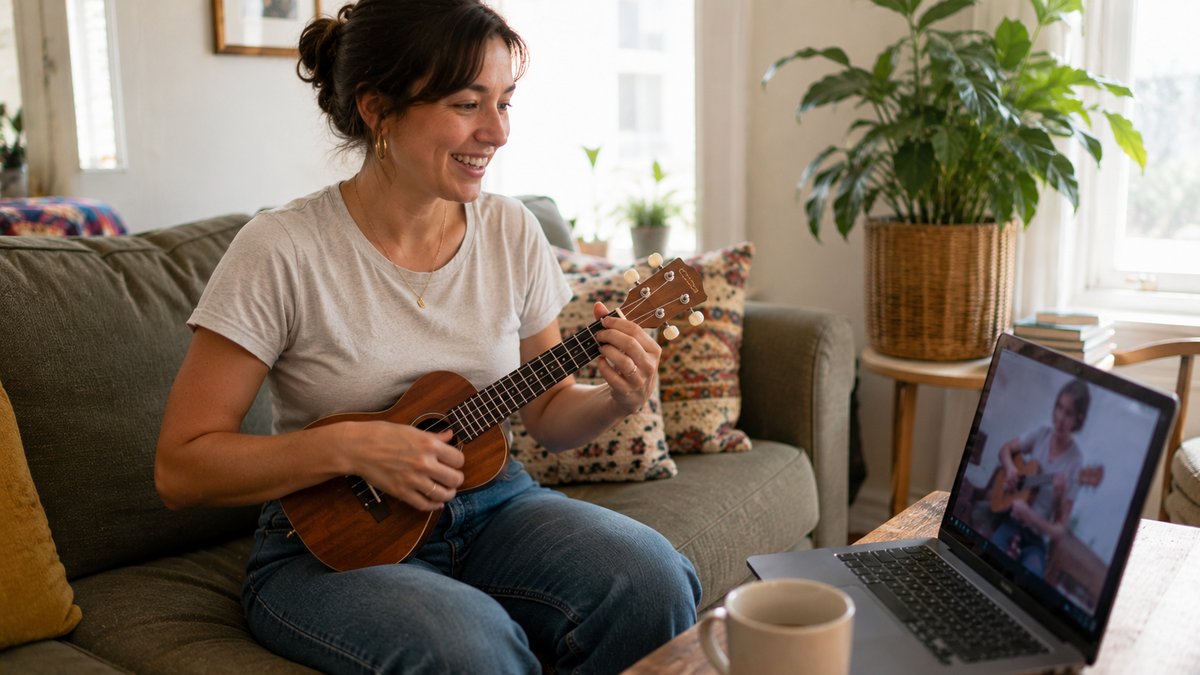
The ukulele is one of the most beginner-friendly instruments you can pick up, most people strum their first song within a week or two. If you’re asking how long it takes to learn ukulele, the encouraging answer is that you’ll be making real music almost immediately, with steady progress from there.
Here’s a realistic timeline for adults, kids, and anyone returning to music after a break.
The First Week or Two: Your First Songs
With just a few basic chords, you can play dozens of songs on ukulele. Most beginners learn their first two or three chords and a simple strum within the first week or two and can play along to a real song right away. This fast early win is what makes ukulele such a joyful instrument to start.
Months 1-3: Chords, Changes, and Strums
Over the first few months, you’ll add more chords, smooth out your chord changes, and learn new strumming patterns. Changing chords cleanly is the main early skill, and it comes with regular practice. By month three, most students play a comfortable repertoire of songs.
Months 3-12: Fingerpicking and Polish
After a few months, many students branch into fingerpicking, more advanced strums, and playing while singing. By the end of a year of regular practice, dedicated players handle a wide range of songs and styles and feel fully comfortable with the instrument.
What Affects Your Timeline
Ukulele rewards consistency more than long hours. Ten to fifteen minutes a day is plenty for steady progress. A teacher helps you build clean chord shapes and good rhythm early, which keeps the instrument fun and frustration-free.
How to Find a Ukulele Teacher on Tunelark
Tunelark connects you with vetted ukulele teachers who teach online, fun for kids, accessible for adults, and great for seniors. Browse profiles, find a teacher whose style fits, and book a discounted first lesson to start strumming with confidence.
Frequently Asked Questions
Is ukulele really one of the easiest instruments to learn?
Yes. With just a few chords you can play many songs, and most beginners strum their first song within a week or two. It’s one of the most beginner-friendly instruments available.
How long until I can play songs on ukulele?
Most people play simple songs within the first week or two. Smooth chord changes and a comfortable repertoire usually come within the first few months of regular practice.
Is ukulele a good first instrument for kids?
Ukulele is an excellent first instrument for kids. It’s small, affordable, and rewarding right away, which keeps young students engaged and motivated.
Can seniors and older adults learn ukulele?
Absolutely. Ukulele is gentle on the hands and quick to reward, which makes it one of the most popular instruments for seniors and older adult beginners.
Looking for an online ukulele teacher? See our full Online Ukulele Lessons page for everything you need to know about getting started.
Keep reading
About Jennifer Heath
I'm Jennifer Heath, VP at Tunelark and a lifelong singer. I joined the company in 2020 and oversee much of what makes Tunelark work for our students and our teachers. That includes hiring, training, and supporting our instructors, customer and student support, marketing, and the day-to-day operations of the business.
I started voice lessons at age 7, sang with professional choirs that toured internationally through my teens, and performed solo at competitions and community events across Texas before stepping away in my twenties to study other interests, including business management. I haven't performed professionally in years, but I'll happily take the microphone at a karaoke night. Music has been in me every day of my life. Being able to spend the last six years working inside an online music education company, while traveling the world full-time, has been a perfect fit.
I believe deeply that music belongs in every life. For the self-expression, the discipline, the comfort, and the simple joy of it.
The Tunelark blog is where we share what we've learned about online music lessons: how to choose an instrument and a teacher, what to expect from your first lesson, how the major platforms compare, and how to keep music going through the busier seasons of life. Practical, honest writing you can act on.
Who we are
Tunelark provides virtual 1-on-1 music lessons to learners
of all ages.
We remove the barrier of geography and connect learners and teachers — wherever they are. Our growing community of vetted, experienced music educators have expertise in a wide variety of instruments, genres, and skill levels. We are passionate about connecting each student with the perfect instructor.