How Much Should You Practice Music? A Realistic Guide

The honest answer: less than you think, but more consistently than you probably do. Frequency does more of the work than duration, so 15 focused minutes on five or six days a week beats the same total time saved up for one weekend session. Here’s a realistic, evidence-based guide to how much you actually need to practice.

The Research on Practice and Progress
The most important finding from practice research is about consistency over volume. A 2014 meta-analysis by Macnamara, Hambrick and Oswald in Psychological Science found that deliberate practice accounted for about 21 percent of the variance in music performance, which leaves most of the difference between players unexplained by hours alone. Separately, decades of motor-learning research on the spacing effect show that short sessions spread across the week are retained better than the same minutes massed into one sitting. The practical version of that, and the target most teachers set, is five or six shorter days rather than one long weekly session.
The well-known “10,000 hours” concept from Anders Ericsson’s research is often misquoted. Ericsson found that elite musicians practiced in structured, focused sessions with specific goals, not just that they logged hours.
Recommended Practice Time by Level
Beginners (first 6-12 months)
15-20 minutes per day, 5-6 days per week.
Most beginner students expect to need more. The reality is that in the first months of learning, your brain and hands are building new pathways and habits. Teachers usually see a new student’s attention go before the clock does, and practice that carries on past that point starts reinforcing errors instead of fixing them. Stopping while the focus is still there is also what makes the next session easy to start.
What matters at this stage is showing up daily. Five consistent days of 15 minutes beats one 75-minute weekend session.
Intermediate students (1-3 years in)
30-45 minutes per day.
As technique develops, longer focused sessions become productive. At this stage, you have enough material to work on (scales, pieces, etudes, sight-reading) that 30-45 minutes can be filled with intentional, varied practice without grinding.
Advanced students (3+ years, serious goals)
1-2 hours or more per day, depending on goals.
Students working toward auditions, competitions, or professional-level playing need significantly more practice time. But the same principle applies. Quality and focus matter. An hour of fully attentive, goal-directed practice is worth more than three hours of unfocused run-throughs.
Adults with limited time
Many adult learners come to music lessons with packed schedules and realistic limits. This is not a problem. A focused 20 minutes on five or six days a week will produce real progress. On a busy day, ten minutes on one passage still counts, and a planned rest day or two is part of the week.
Find a Teacher Who Fits Your Schedule
Quality vs. Quantity: What Productive Practice Looks Like
Not all practice time is equal. Repeated run-throughs are the least efficient way to fix a specific mistake. Here’s what actually works:
Isolate problem spots
When you make a mistake, don’t just play the whole piece again. Stop at the problem, identify exactly what went wrong (wrong note? bad timing? technique issue?), and work on just that section. Play it slowly until it’s right, then gradually bring it up to speed.
Practice slowly
Slow practice is not a beginner technique. It’s how professionals solidify difficult passages. Playing slowly gives your brain time to process each movement correctly. Practicing fast before something is solid just cements mistakes.
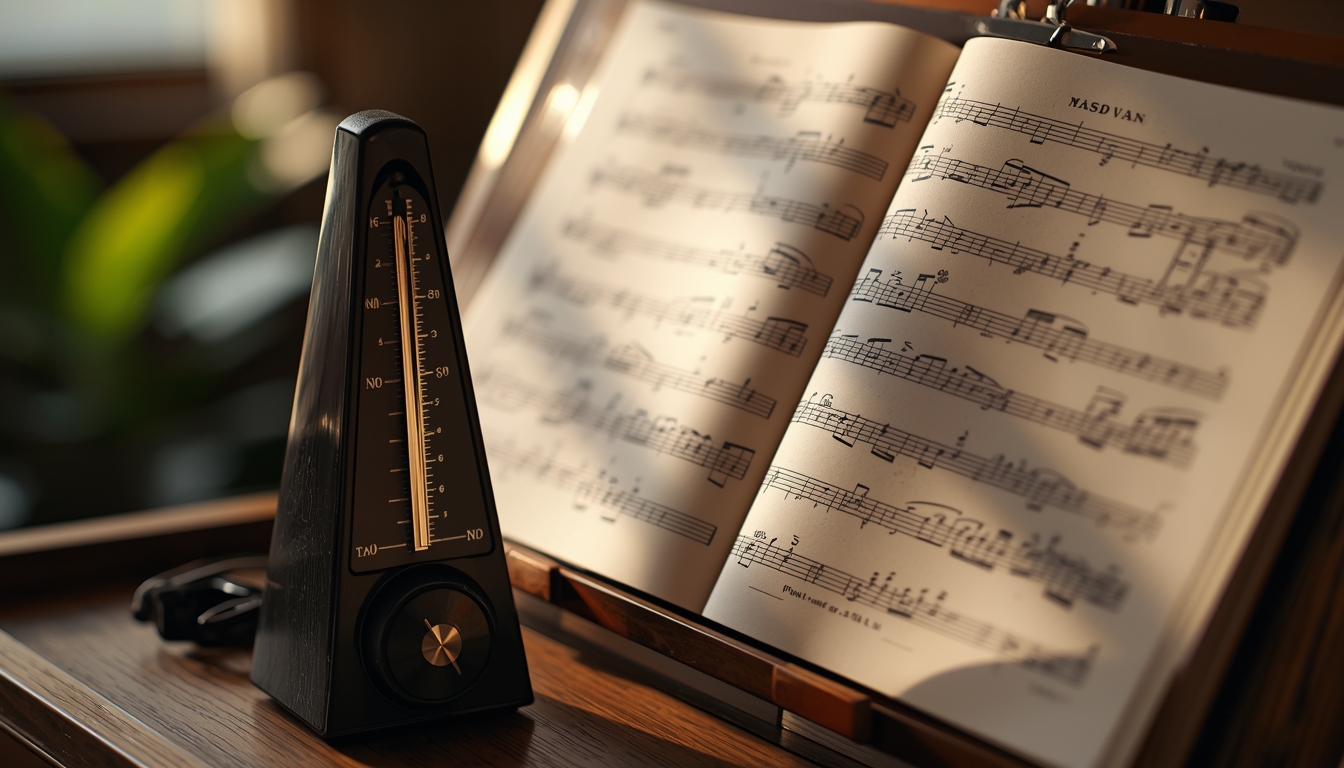
Use a metronome
Timing is a fundamental skill that’s easy to neglect. Regular metronome practice builds internal rhythm and reveals timing inconsistencies you might not notice when playing freely.
Practice with intention
Before each session, know what you’re working on and what you want to achieve by the end. “Practice piano” is not an intention. “Work through bars 5-12 of the piece until I can play them cleanly at 80 BPM” is.
Making Practice a Habit: Practical Tips
- Same time, same place: Practice at the same time each day and your brain will start to expect it. Many students find a morning slot the easiest to protect, but the best time is whichever one you will keep.
- Keep your instrument accessible: Instruments in cases in closets don’t get played. Keep yours out and in sight.
- Start with something easy: Begin with a warm-up or a passage you already know. Starting with something achievable builds momentum.
- Track your practice: A simple log of what you worked on and for how long creates accountability and makes progress visible.
- Tell your teacher the truth: If you only practiced twice this week, say so. Your teacher can help you figure out what’s getting in the way.
What Our Teachers Change First
We asked some of our teachers what they actually adjust when a student’s practice is not working. Two things came up, and neither has anything to do with adding minutes.
The first is stopping properly. Alawna M. teaches voice on Tunelark, and the habit she sees skipped most is the end of the session rather than the start of it.
“Most students skip the cool-down process after practicing, rehearsal, or post performance. Cooling down the voice, resetting and resting the voice are the most important pieces to maintain a healthy, functioning voice.”
The second is a ceiling rather than a floor. Alawna caps a session instead of extending it, because a difficult passage attempted too many times in a row stops teaching anything:
“If a student has a song they are working on that requires high belting, and they attempt to belt the same difficult note multiple times.”
The result, she says, is strain, tension and frustration with the piece itself.
Tony G. teaches guitar and makes the same point from the other direction, about how little it takes for a beginner to get unstuck:
“One of the most surprising things I’ve seen over the years is how much progress can come from a few minutes a day of simple finger exercises.”
For both of them, a good session ends before it starts costing you something, however long it ran.
What Happens If You Miss Days
Missing practice days is normal, especially at the start. The mistake to avoid is guilt-spiraling and abandoning practice entirely after a bad week. One missed week doesn’t erase progress. Get back on track as soon as possible, and don’t try to compensate by cramming extra practice before a lesson. That rarely helps.
Start Learning With a Consistent Teacher
How to Find a Good Music Teacher on Tunelark
Practice strategies work better when a teacher is giving you direction, because someone who hears you play every week can tell you which of these strategies your playing actually needs. Many Tunelark teachers excel at structuring practice and keeping students accountable.
1. Open the teacher list and filter by your instrument.
2. Read bios. Look for teachers who describe how they structure lessons and homework, not just what they teach.
3. Book a trial lesson with one whose profile resonates.
After the trial, ask yourself: did the teacher give you a clear, specific plan for the week, or vague encouragement?
A specific assignment is the difference between practicing and simply playing. If what you got was encouragement, ask for the assignment directly before the next lesson, because most teachers will write the week down gladly once they know that is what you want.
Frequently Asked Questions
How many minutes a day should I practice music?
For beginners, 15-20 minutes of focused practice five or six days a week is more effective than occasional hour-long sessions. Intermediate students benefit from 30-45 minutes a day. Advanced students typically practice 1-2 hours or more, depending on their goals.
Is it better to practice every day or longer sessions a few times a week?
Frequent practice is significantly more effective. Music learning relies heavily on motor memory and neural pathways that are reinforced by frequency, not just duration. Short sessions on five or six days a week beat long infrequent ones, and a rest day or two is part of the plan rather than a lapse.
What counts as productive practice?
Productive practice is focused, with a specific goal for each session. It involves identifying and isolating problem spots, working through them slowly, and gradually bringing them up to speed: not just playing through pieces from start to finish.
How do I know if I’m practicing enough?
If you’re consistently meeting your weekly practice goal and making progress on what your teacher assigned, you’re practicing enough. If you’re going into lessons having barely touched your instrument, you’ll plateau.
Can you practice too much?
Yes, especially for young students or those prone to physical tension. Quality and consistency matter more than raw hours. Signs of over-practice include physical fatigue, tension, or frustration. Take breaks and stop if anything hurts.
Keep reading
About Jennifer Heath
I'm Jennifer Heath, VP of Operations at Tunelark and a lifelong singer. I joined the company in 2020 and oversee much of what makes Tunelark work for students and teachers: hiring, training and supporting our instructors, student support, marketing and day-to-day operations. I started voice lessons at 7 and sang with touring choirs through my teens. Music belongs in every life, for the self-expression, the discipline, the comfort and the simple joy of it.