How Long Does It Take to Learn Cello? A Realistic Timeline
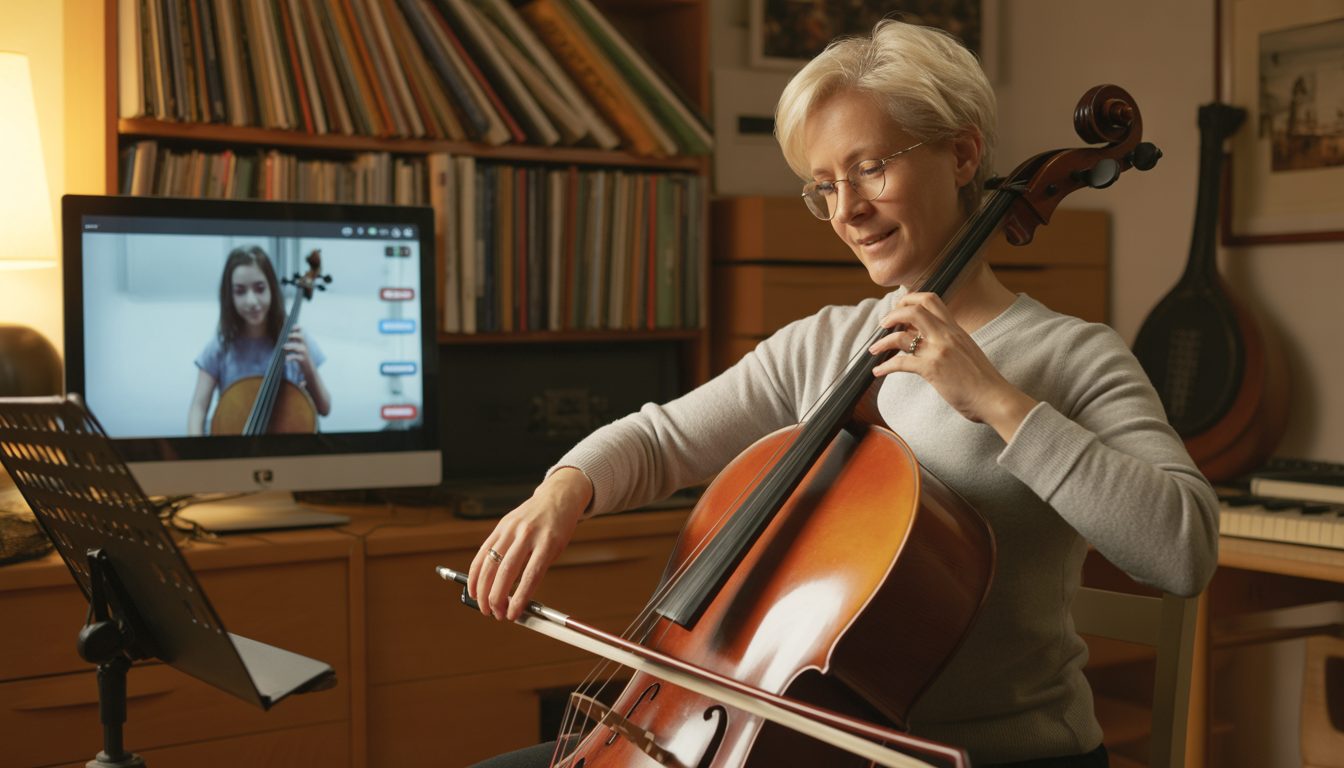
Cello is a slow-build instrument. There is no week-three breakthrough where it suddenly sounds beautiful. That slow start is the reason most beginners rent for the first year, and our guide to renting a first cello covers the prices and the questions to ask the shop.
What there is, instead, is a steady, deeply rewarding climb. The honest answer to how long to learn cello depends on what you mean by “learn.” Here is what a realistic timeline looks like, what makes it faster, and what makes it slower.
The First Year: Building Tone and Posture
The first year of cello is foundation work, and most of that foundation is invisible to anyone who isn’t watching closely.
Months one through three are setup. You learn how to sit with the cello, how to hold the bow, how to draw a clean open-string note. The sound in these early weeks is rough: a scratchy bow, uneven tone, intonation that drifts every few notes. This is universal. It is not a sign that you’ve chosen the wrong instrument.
By month six, with daily practice and a good teacher, you should be playing simple pieces in first position across all four strings. Tone will be uneven but recognizable. You will be reading basic music. Most of what you play will sound roughly like the music intends to sound, which is a meaningful threshold.
By month twelve, you should be playing simple beginner repertoire (folk tunes, easy classical melodies, beginner method-book pieces) with reasonable cleanness. You should have basic shifting started and a working understanding of bow distribution. Vibrato usually arrives somewhere between the end of year one and the middle of year two, and teachers vary on when they introduce it, so not having it at month twelve says nothing about how well the year has gone.
This is also the year where many adult beginners discover whether they’re going to stick with it. The work is genuinely hard, and the rewards are subtle. The students who make it through year one tend to find the rest of the climb much easier. Our piece on the benefits of learning music as an adult is worth a read for anyone in that wobble.
Year Two: Real Repertoire Begins
The second year is when cello starts to give back. You’ll begin working in second, third, and fourth positions, which covers most of the range early repertoire actually asks for. The top of the instrument comes later, with the higher neck positions and thumb position. You’ll add vibrato to some passages. You’ll start playing pieces that sound like real cello music, short Bach pieces, simple movements from concertos, fiddle tunes with body.
The Bach cello suites are where a lot of this is heading. Diane C. teaches cello on Tunelark and plays the first prelude.
Performance · Cello Suite No. 1, Prelude
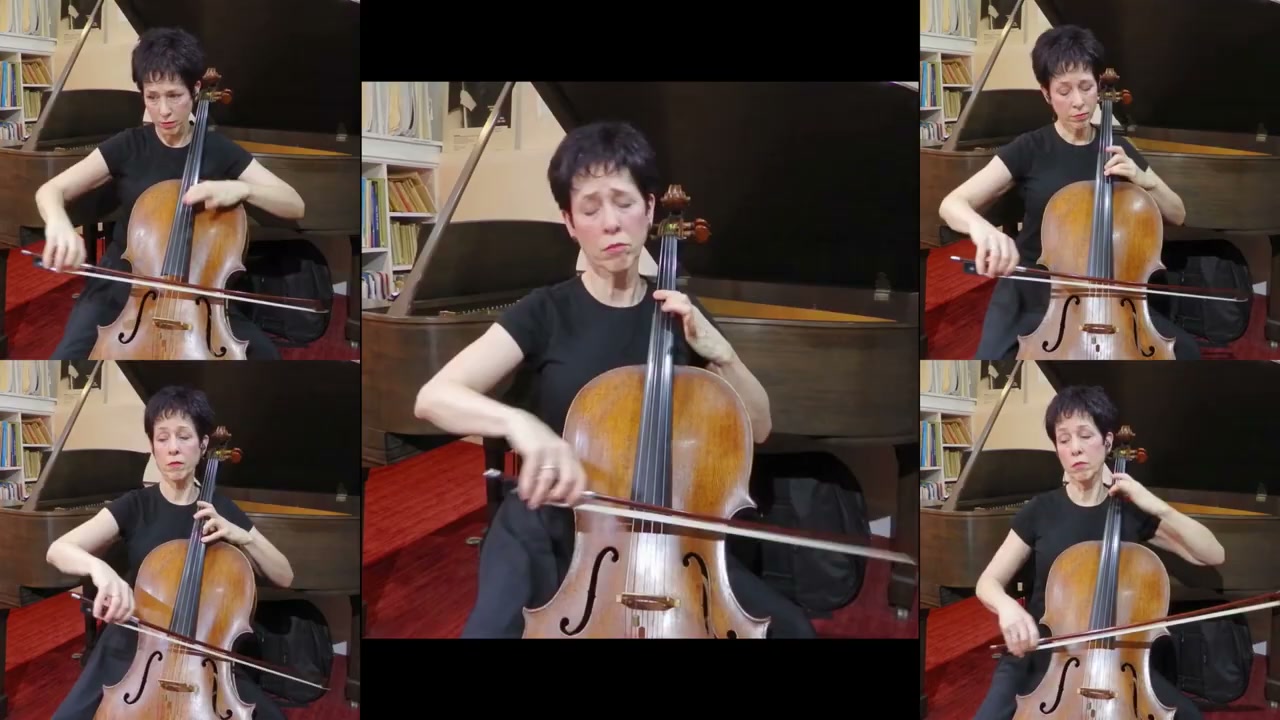
Diane teaches cello on Tunelark. View Diane’s profile
By the end of year two, with consistent daily practice, you should be playing pieces a non-musician would describe as “actually pretty good.” Tone is fuller. Intonation is reliable in the lower positions and improving in the upper ones. You can sustain a long phrase without the bow wandering or running out at the wrong moment.
This is also the year where you start to notice the difference between playing notes and making music. Phrasing, dynamics, expressive shaping. These become things you can work on intentionally, because the technical foundation is stable enough to support them.
Years Three and Beyond
By year three, cello stops feeling like a daily uphill climb and starts feeling like a long-term pursuit. The progress curve flattens. You don’t make giant leaps from week to week, but you’re now working in real repertoire and the depth of what’s available to you expands every month.
In year three and four, you’ll work through intermediate repertoire: Bach cello suite preludes (slowly), Saint-Saëns “The Swan,” easy concerto movements, Romantic-era short pieces. You’ll develop a serviceable vibrato across most of the range. You’ll start to have musical opinions about your own playing, phrasing choices, tempo preferences, interpretive instincts.
By years five and beyond, with continued practice, advanced cellists begin to approach the major repertoire. Most amateur cellists who put in steady work can reach a level where they can play beautifully in a community orchestra, hold their own in chamber music, and tackle the easier movements of the great cello literature. This is a deeply satisfying place to live.
There will be plateaus along the way. Most cellists hit at least one stretch (usually somewhere in years two through four) where progress feels stalled. That’s normal. Our guide on what to do when you plateau in music lessons covers how to work through it without losing momentum.
What Speeds Things Up
A few honest accelerants make a real difference in the timeline.
Daily practice. Fifteen to twenty minutes a day, five or six days a week, beats one long weekend session. Cello technique consolidates through frequent contact. Long gaps cost you previous work.
A teacher who watches setup obsessively. The posture, bow hold, and left-hand frame you build in the first year shape everything that follows. A teacher who corrects small things early saves you years of unwinding bad habits.
Slow practice. The cellists who progress fastest are the ones who can sit with a single phrase at half speed until it is clean. Slow practice is not the opposite of fast playing. It is the path to fast playing.
Singing the line. Cellists who sing what they’re trying to play, before they play it, develop better phrasing and intonation than cellists who don’t. The voice is the most direct musical instrument, and using it teaches the cello.
Listening widely. Listen to professional cellists across genres and eras: Casals, Du Pré, Ma, Isserlis, Capuçon, contemporary players. The more good cello you have in your ear, the more clearly you’ll hear what you’re aiming for.
What Slows You Down
A few patterns reliably stall the timeline.
Inconsistent practice. Three days on, four days off, repeat. This is the most common reason adult cellists progress slowly. You don’t need long sessions, but you do need frequent ones.
Skipping the boring fundamentals. Scales, open-string bowing, slow shifting. They are tedious, and they are also the work. Cellists who skip them stay beginners longer.
Tension you don’t address. Tight shoulders, gripped bow hand, clamped thumb on the neck. These compound. Address tension when your teacher mentions it the first time, not the fifth.
Comparing your timeline to someone else’s. Every cellist’s path is different, and the comparison usually demotivates without informing. Track your own progress against where you were six months ago, not against someone on the internet.
Trying to play too fast too soon. If you can’t play a passage cleanly at half speed, playing it at full speed is just practicing the errors.
How to Find a Cello Teacher on Tunelark
Cello rewards careful early teaching more than most instruments. A few months with the wrong teacher in year one can take a year to undo.
1. Open the teacher list and filter by your instrument.
2. Read bios. Look for teachers who mention working with beginners and who describe their teaching approach in concrete, not vague, terms.
3. Book a trial lesson with one whose profile resonates.
4. Pay attention to whether the teacher seems genuinely curious about you, your goals, and how you learn, not just running through their standard intro material. Our overview of the best online cello lessons has more on what makes a strong fit.
Cello is one of the deepest instrumental traditions there is, and the right teacher makes the difference between climbing it joyfully and climbing it joylessly. Take the time to choose well.
Frequently Asked Questions
Can I really learn cello as an adult?
Yes. Adult beginners regularly reach satisfying playing levels. The timeline is roughly comparable to a child’s, with the early years sometimes easier (because adults can self-direct practice) and the later years sometimes slower (because life is busier).
How much should I practice as a beginner?
Fifteen to twenty minutes a day is plenty for steady progress as a beginner, and thirty to forty-five once you are past the first year and working on real repertoire. Daily practice matters far more than session length. Five or six days a week of twenty minutes beats one ninety-minute session.
When can I expect to sound good?
“Good” is subjective. Most beginners with consistent practice produce clean, in-tune notes on simple pieces within six to nine months. Genuinely lovely tone on real repertoire is typically a two-to-three-year project.
Is cello harder than guitar or piano?
The first year of cello is harder than the first year of guitar or piano because of the unfretted intonation, bow control, and posture demands. The middle and later years are more comparable across instruments.
How long until I can play in an orchestra?
Most cellists with three to five years of consistent practice can play in a community or amateur orchestra at the back of the cello section. A few years more, and you can move up. Orchestra playing is also one of the most rewarding parts of the cello life, so it’s worth aiming for.
Keep reading
About Jennifer Heath
I'm Jennifer Heath, VP of Operations at Tunelark and a lifelong singer. I joined the company in 2020 and oversee much of what makes Tunelark work for students and teachers: hiring, training and supporting our instructors, student support, marketing and day-to-day operations. I started voice lessons at 7 and sang with touring choirs through my teens. Music belongs in every life, for the self-expression, the discipline, the comfort and the simple joy of it.