How to Break a Plateau in Music Lessons: A Practical Guide
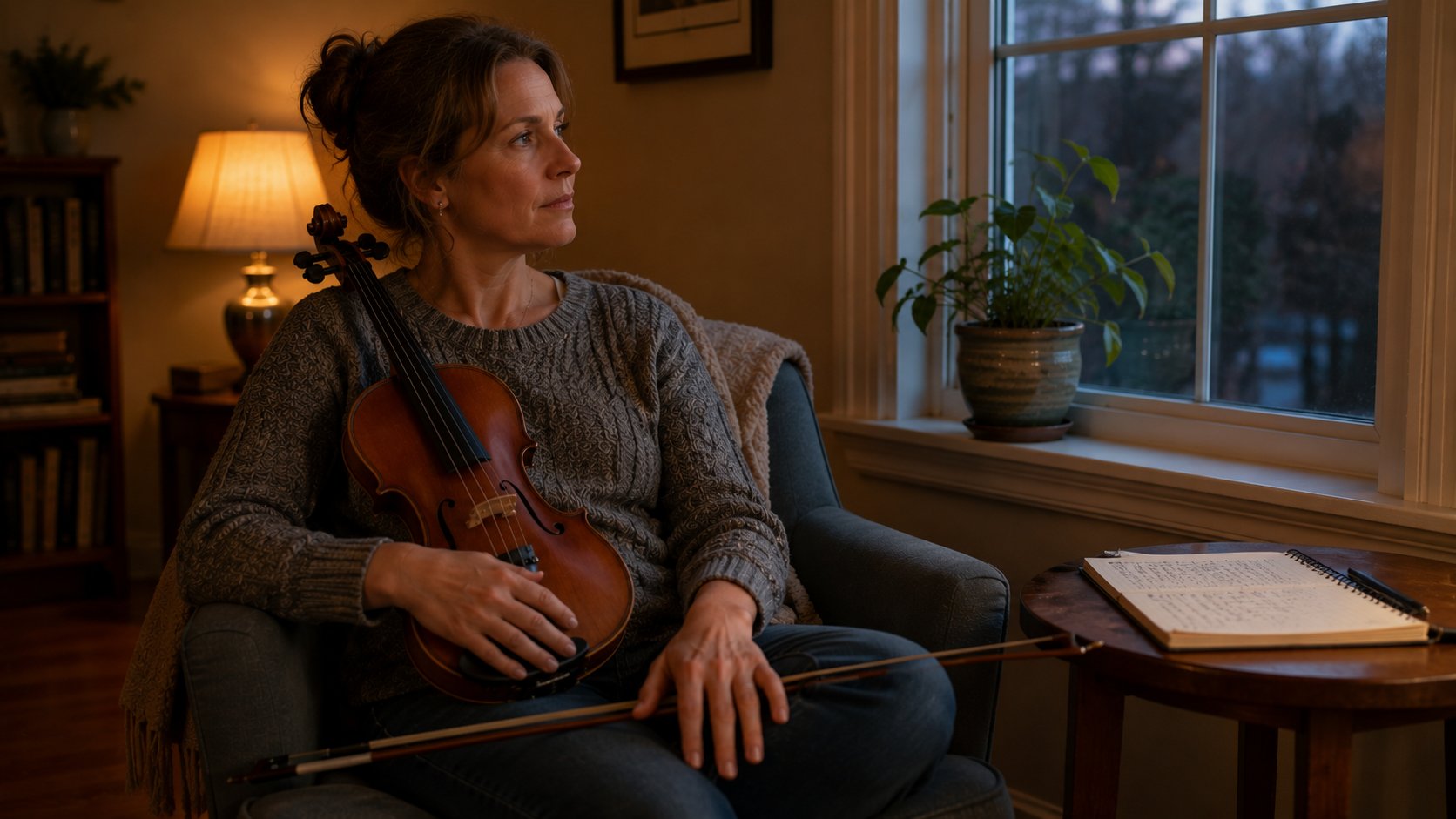
Nearly every music student plateaus. Sometimes for weeks, sometimes for months, sometimes for years. A plateau feels like a sign you’ve stopped progressing, and most students respond to that feeling by either giving up or working harder in the same ways that aren’t working. Both are wrong moves.
Here’s what plateaus actually mean, why they happen, and the specific moves that get you growing again.
What a Plateau Actually Is
A plateau is usually not the absence of progress. Most of the time it is progress that’s happening below the surface (muscle memory consolidating, ear training maturing, technique becoming automatic) without yet producing the visible-result jumps that earlier progress did.
This is normal and predictable. The early months of learning any instrument feel like rapid gain because you’re going from zero to something. Once you have “something,” each next gain takes longer to manifest because the relative gap is smaller.
Recognizing this changes how plateaus feel. They’re not failure. They’re the consolidation phase between visible jumps.
Why Plateaus Tend to Happen When They Do
Some plateaus follow patterns teachers see over and over. A few of the common ones, with the timing teachers tend to describe rather than a fixed schedule:
The first-year wall. Many students describe a harder stretch somewhere in the first year, often around the nine to twelve month mark, where everything stops feeling easy. This is a different animal from the motivation dip many students feel around month three or four, when the novelty wears off but skills are still climbing. The first-year wall is technical: the “honeymoon” of early gains is over, and the work gets more granular. Many students quit here.
The intermediate plateau. Usually somewhere in the second to fourth year, though the window is a wide one. You can play music, but the next level of technique feels impossibly distant. You play the same pieces over and over. Teachers see this one run longest for adult amateurs.
The expression plateau. You have the technique to play music, but can’t quite make it sound musical. The gap between mechanical execution and real expression is its own multi-year project.
The performance plateau. You play well alone but freeze in front of others. Performance is a separate skill from playing, and it has its own learning curve.
Knowing which plateau you’re on changes how to address it.
Specific Moves That Break Plateaus
A few approaches that often work:
Change what you’re practicing. If you’ve been grinding the same pieces for months, change material. Even temporarily. New repertoire activates different muscle patterns and refreshes motivation.
Slow down. Counterintuitive but powerful. A common cause of plateaus is playing material at performance tempo when the underlying technique isn’t reliable yet. Practicing slower than you think necessary often breaks plateaus quickly.
Record yourself. Listen back. The gap between what you think you sound like and what you actually sound like reveals what’s stuck. This is uncomfortable and usually informative.
Take a short break from the stuck piece. Counterintuitive again, but many teachers find that a few days away from a piece you’ve been grinding helps. You come back fresher, hear it differently, and often play it better than when you left it. Keep the daily habit going on other material if you can, since the goal is a break from the problem, not from the instrument.
Isolate the bar that fails. Find the measure where the piece breaks down and practice only that, slowly, until it is reliable, then add a beat on either side. Most plateaus on a piece live in two or three bars.
Add a performance goal. Schedule a small performance: for friends, family, a recital, an open mic. Knowing you’ll have to play in front of someone often unlocks practice motivation that ambient practice can’t generate.
Talk to your teacher specifically about the plateau. Sometimes teachers don’t notice you’re stuck unless you say so. They can usually diagnose the specific cause and prescribe specific exercises.
When the Teacher Is the Plateau
A hard truth: sometimes the teacher is the bottleneck. Signs to watch for:
- You’ve stopped getting new feedback for a while.
- The teacher seems to have run out of ways to explain things to you.
- Your lessons feel repetitive, same pieces, same warm-ups, same problems.
- The teacher hasn’t suggested new material in months.
- You’ve stopped feeling like you’re growing during the lesson itself.
Sometimes a change of teacher is exactly what’s needed. This isn’t a reflection on the teacher’s quality. It’s about fit and stage of your development. Different teachers are good at different phases of learning.
When Life Is the Plateau
Sometimes practice has slowed not because of skill consolidation but because life got in the way. A new job, a baby, a move, an illness. These can flatten your practice routine without you fully realizing.
If you’ve been practicing notably less than you used to, that’s not really a plateau. It’s just doing less. The solution is to honestly assess what’s possible right now and build a practice routine that fits your current life, rather than feeling guilty about not maintaining a routine that no longer works.
Sometimes the right answer is to accept that you’re maintaining, not progressing, for a season. Maintenance is honorable. Progress will return when conditions change.
The Long Plateau Question
Some plateaus last a long time. Years, even. Common at intermediate levels of any instrument.
For these:
- Reframe the goal. If you’ve been an “intermediate” pianist for five years, that’s not failure. That’s a stable, satisfying relationship with the instrument. Not every adult learner needs to keep climbing.
- Find new dimensions to grow in. If technique has plateaued, work on improvisation, composition, ensemble playing, sight-reading, music theory, or accompaniment skills. Music is wide enough that there’s always somewhere to grow.
- Teach what you know. Many adult amateurs find that teaching a friend, a child, or a beginner adult unlocks deeper understanding of what they thought they knew.
- Play more, perform more, listen more. Sometimes growth slows because input has slowed. More music in your life feeds the next phase of progress.
When to Take the Plateau Seriously
If a plateau lasts more than six months without any of the above breaking it, that’s a signal worth investigating. Possibilities:
- The teacher needs to change.
- The instrument needs to change.
- Practice habits need restructuring.
- Life is genuinely getting in the way and you need to decide what role music plays right now.
- Your relationship with the instrument has fundamentally shifted and you’re due for a conversation with yourself about what you want.
Plateaus that resolve naturally are fine. Plateaus that persist with no path forward deserve real examination.
What a Plateau Looks Like From the Teacher’s Side
Harry B. reads plateaus as diminishing returns rather than failure. A student has worked a concept enough, momentum fades, and the temptation is to keep pushing at an ideal of perfection hung in front of them. His advice at that point is to trust the work already done and move to something else. He also treats a plateau as a sign of boredom, the result of staying on one piece long enough to lose sight of what made you want to play. His test is simple. If a practice session feels like trying hard rather than like music, step away and come back to a simple song you already know.
How to Find a Music Teacher on Tunelark
If you suspect a teacher change might unstick your plateau:
1. Open the teacher list and filter by your instrument.
2. Read bios. Look for teachers who specifically describe how they work with intermediate students or students experiencing plateaus.
3. Book a trial lesson with one whose approach offers something different from your current teacher.
4. After the trial, ask yourself: did this teacher offer fresh perspective on something I’ve been stuck on?
Plateaus are part of the long-term arc of musical development. With the right perspective, the right teacher, and the right specific moves, they’re almost always navigable, and the breakthrough on the other side is what makes the long journey worth it.
Frequently Asked Questions
How long do plateaus usually last?
Variable. Short plateaus last a few weeks. Intermediate plateaus can last months. Some plateaus are years long but still resolve eventually. Persistent plateaus over 6 months with no movement deserve specific intervention.
Should I push harder during a plateau?
Usually no. Pushing the same approach that produced the plateau rarely breaks it. Changing approach (different material, different tempo, different focus) works better.
Is taking a break really a good idea?
Yes, in short doses. Three or four days is usually enough, and it works best when the break is aimed at one piece rather than at the instrument. Spend the time on repertoire you already play well, or on something new and easy, so the daily habit stays intact. If a week goes by and you have not touched the instrument at all, the break has turned into a lapse, and the next lesson is the simplest way to reset it.
When should I change teachers?
When you’ve been stuck for months, you’ve had honest conversations with your teacher about it, and nothing has changed. A fresh teacher with a different approach often unsticks plateaus that one teacher can’t.
Is it okay to plateau permanently at an intermediate level?
Absolutely. Many adult amateurs spend decades at intermediate levels and find it deeply satisfying. The one thing worth doing is choosing it rather than drifting into it. Decide what you want the instrument for now, whether that is playing with other people, sight reading for pleasure, or keeping a handful of pieces in good shape, and let the practice serve that instead of an old goal you have stopped wanting.
Keep reading
About Jennifer Heath
I'm Jennifer Heath, VP of Operations at Tunelark and a lifelong singer. I joined the company in 2020 and oversee much of what makes Tunelark work for students and teachers: hiring, training and supporting our instructors, student support, marketing and day-to-day operations. I started voice lessons at 7 and sang with touring choirs through my teens. Music belongs in every life, for the self-expression, the discipline, the comfort and the simple joy of it.