How to Sing Different Styles: One Voice, From Pop to Opera

Plenty of singers love more than one kind of music. They sing along to pop in the car, want to try a musical theater song, have a soft spot for opera, and would like to be able to rock out at karaoke. Many of them also carry a worry that training one of those styles will spoil the others, that a classical voice cannot sound like pop, or that belting will ruin a legit sound.
Sarah B. teaches voice at Tunelark and has spent her career proving otherwise. She trained in opera at the Interlochen Arts Academy, holds a BFA in musical theater, has sung as a lead soprano soloist with a symphony orchestra, played roles such as Velma Kelly in Chicago, and worked as a lead singer on ocean liners, where the show changed style every night. She teaches pop, rock, musical theater and opera to students of every age and level. We asked her what actually changes in the voice from one style to the next, whether one style gets in the way of another, and how she helps a student find the sound of a style they have never sung.
Every style is built from micro-techniques
Sarah thinks about style from the smallest unit up. Every song, she says, down to each verse, chorus and phrase, is made “of micro-techniques”: small, specific choices about how a sound is made. A style is a particular set of those choices, and she keeps them organized with an image her students remember.
“I love to think about your technique like you have a toolkit. And in your kit are different hats,” she says. “We have a jazz hat, a light pop hat, a rock & roll hat, an R&B hat, etc.”
Each hat holds the techniques, the stylistic choices and the shape of the song that belong to that style. Once a student has worked through a song in one style, the hat is theirs. “So if we just sang a Taylor Swift song and spoke about the ‘light pop’ techniques, next time we go to sing a similar style pop song, the student knows how to approach the song before they even sing it,” she says. “They know the techniques to use, the song arc, the stylistic choices to focus on, as they’ve already studied and understood the tools in that hat.”
That is what makes switching possible. “Then, they can easily switch from style to style, by taking off one hat and putting on another.” A singer does not need a different voice for each style. They need a different set of choices, learned well enough to reach for on purpose.
What stays the same when the style changes
Underneath the hats, some things do not move. Sarah names them: “posture, breath and the vibrating of the chords.” The body stays aligned, the breath powers the sound, and the vocal folds vibrate to make it, in every style from opera to rock.
Even there, the constant has room inside it. The need for breath is the same in every style, but “how we use that breath, which breath technique to use, etc. varies,” she says. A long operatic line and a punchy rock verse both run on breath, and they spend it very differently. Our guide to breath support for singers explains the physical side of that foundation.
Sarah demonstrates one of her favorite ideas about breath below, borrowed from German singing tradition: drinking the air rather than grabbing it.
Skill video · Drinking the Air
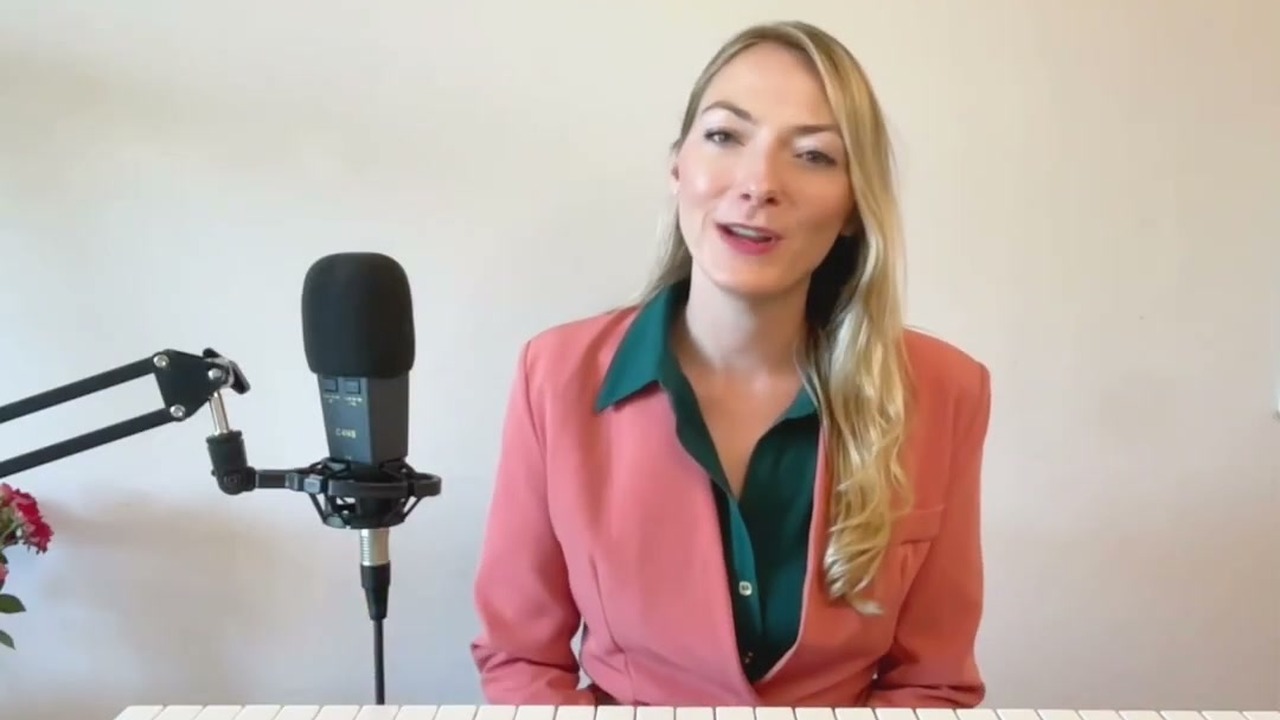
Sarah teaches voice on Tunelark. View Sarah’s profile
What changes from style to style
Above the breath, a great deal changes. “Posture generally stays the same throughout the styles, but everything about the mouth placement, lips, soft palate, resonance, vowels, consonants, etc. changes a lot from style to style,” Sarah says.
Each of those is a dial a singer can turn:
Mouth shape and lips. How wide or tall the mouth opens, and how much the lips round or spread, colors every vowel.
Soft palate. The soft, movable back part of the roof of the mouth. Raising it opens more space at the back of the throat and gives the rounder, fuller tone associated with classical singing. A lower, more relaxed palate gives a brighter, more speech-like sound.
Resonance. Where the sound seems to ring and how much space it rings in, from a tall, round classical tone to a bright, forward pop or belt sound.
Vowels. Classical singing tends to keep vowels tall and pure. Pop and contemporary styles tend to keep them closer to how the words are spoken.
Consonants. A crisp, clearly placed consonant suits musical theater’s storytelling, while pop often softens consonants and slides through them.
The changes are small, which is exactly Sarah’s point. “Why I call them ‘micro-techniques’, is because to the average viewer you wouldn’t think they are doing anything different between many styles, but as a teacher I am big on making sure the student feels those changes enough to be able to differentiate, and so even though they are small, they are easily accessible.” A listener may not be able to name the difference, but they hear it, and a singer who can feel each change can make it deliberately.
A worked example: one line in three hats
To make the dials concrete, take a single sustained phrase ending on a long “oh” vowel, the kind that closes a chorus in almost any genre, and sing it three ways.
1. Classical hat. Tall space inside the mouth, soft palate lifted, the “oh” kept round and pure from start to finish. A clean, gentle onset, vibrato running through the held note, and the line connected smoothly from word to word.
2. Light pop hat. A smaller mouth opening and a vowel closer to speech, so the “oh” sounds more like it does in conversation. A softer, sometimes breathier onset, the held note mostly straight, with a little vibrato arriving only near the end, and the consonants eased rather than crisp.
3. Rock hat. A brighter, more forward sound with more chest-voice weight, a firmer onset, and more edge and energy on the vowel, with the phrase pushed forward rhythmically rather than smoothed out.
The pitches never change. The breath is doing its job in all three. What changes is a handful of small choices, and together they make three different styles. Trying this with a line from a song you already know is a quick way to feel the hats for yourself.
Does training one style hurt another?
It is a common worry, and Sarah comes down firmly on the side of more styles, not fewer. “I actually think learning different styles can make you a much more versatile singer, as long as you understand what you’re doing technically,” she says.
She speaks from her own training. “My classical training has never stopped me from singing pop or rock. If anything, it gave me a better understanding of my instrument.”
Her image for classical work is one singers tend to remember. “I call classical singing and warm ups like eating your vegetables. They teach the cords how to healthily function and give flexibility.” She is careful not to overstate it: “It’s not necessary to always sing classical to sing other styles, but it absolutely can help to understand that part of your instrument.” Our article on the benefits of classical vocal training goes deeper into what that foundation gives singers who never plan to sing opera.
The condition she attaches matters: “as long as you understand what you’re doing technically.” Trouble usually comes from copying a sound without knowing how it is made, such as imitating a rock singer’s grit by squeezing the throat, or pushing chest voice higher and higher to belt. Styles learned as sets of understood techniques sit side by side. Styles learned as imitations can pull against each other. If belting is one of the styles you want, our guide to what belting is and how to do it safely covers the technique behind it.
Versatility means knowing your voice well enough to adjust it
Sarah’s picture of a versatile singer is not someone with a collection of different voices. “I want students to build a strong, healthy foundation and then learn how to make stylistic choices on top of it,” she says. “To me, versatility isn’t about having completely different voices. It’s about knowing your voice well enough to adjust it.”
That order, foundation first and style on top, is what lets a single voice cover so much ground. It is also why she loves teaching across genres: “Good technique shouldn’t trap you into one sound. It should give you more choices.”
Knowing your voice includes knowing its range and how its registers behave, because every style asks for them differently. Our guide to range, voice type and registers is a good place to start mapping your own.
Learning a style you have never sung
When a student wants to try a new style, Sarah’s answer starts with three words: “Technique, technique, technique!” A style’s sound, she says, is “all made up of that perfect mix of breath energy, placement, mouth and tongue shape, etc.”
Before anyone sings, though, the student and teacher talk. She describes the questions she asks: “What about this song do you like? What about the arc of the song do you hear? Thinking about the song, what are the qualities of vocal style that live within this genre?” Those questions turn listening into analysis. A student who can say what they like about a singer’s sound, and what the style tends to do, has already started building the hat.
“Then once we have this ‘hat’ on, we dive in, and work section by section,” she says. The song is learned in pieces, each with its own micro-techniques, rather than sung top to bottom and hoped for.
Over time the student takes over the analysis. “After a few months of lessons, my favorite thing is when students sing and then are able to hear what sounds off and know how to fix it themselves!” she says. That is the point where a singer can learn new styles on their own, because they know what to listen for and which dial to turn.
Your version, not a copy
The last piece is the one that keeps a style from becoming an impression. “However I ALWAYS say ‘this is your version of the song,'” Sarah says. “So we have the freedom to add a different riff, change a vocal melody, make it your own that works for your voice. If there’s one phrase that is too low, we can modify.”
A riff is a short, decorative run of notes, and changing one, or reshaping a melody line to suit a voice, is part of how singers in every popular style make a song theirs. Learning a style means learning its choices, not copying one recording note for note.
That applies to tone as well. “And in the sound, unless you are a tribute singer, we want it to sound authentically you in your beautiful voice.” Wearing the pop hat does not mean sounding like a particular pop star. It means using the pop toolkit with your own voice. Our article on finding your own singing sound looks at why that matters so much to singers.
About Sarah
Sarah grew up in a family where everyone sang and played several instruments; her mother was a voice teacher, and she was in lessons and shows from the age of three. She trained in opera and harp at the Interlochen Arts Academy and graduated with a BFA in musical theater from Central Michigan University. As a lead soprano soloist she has performed with the British National Symphony Orchestra, at the Library of Celsus in Ephesus, and under the direction of Broadway’s Charlotte d’Amboise. Her favorite roles include Velma Kelly in Chicago, Janet Van De Graaff in The Drowsy Chaperone and Lila Dixon in Holiday Inn, and she has sailed the world as a lead singer on the Cunard ocean liners Queen Mary 2 and Queen Elizabeth, the Azamara Quest and the Seabourn Sojourn. She is also a dancer and a yoga teacher, which shapes how she teaches the body behind the voice. She was also interviewed for our guide to becoming a cruise ship singer.
At Tunelark she teaches pop, rock, musical theater and opera to students of all ages and levels, with warm-ups, exercises and theory work built around each student’s goals and favorite genres. In a first lesson she wants to hear a student sing right away rather than talk at them about technique, and she gets to a song they enjoy early. Here she is in performance, singing “Make You Feel My Love” at the keyboard.
Performance · Make You Feel My Love

Sarah teaches voice on Tunelark. View Sarah’s profile
Ready to sing in more than one style?
Singing several styles well does not require several voices. It takes a healthy foundation of posture and breath, a set of small, learnable choices for each style, and enough knowledge of your own voice to reach for the right ones on purpose. Every new style adds to what your voice can do.
Sarah is accepting new voice students at Tunelark, and two songs you love in two different styles are a good thing to bring to a first lesson. You can also find a teacher for another instrument across the rest of the roster.
Frequently Asked Questions
Can one singer sing both classical and pop?
Yes. Many professional singers work in both. The breath and the healthy vibration of the vocal folds are shared, and what changes is a set of learnable choices about mouth shape, soft palate, resonance and vowels.
Which singing style should a beginner start with?
Start with the music you love, because that is what you will practice. A teacher can build breath and a healthy foundation through any style and add classical exercises as warm-ups where they help.
Is it harder to sing opera than pop?
They are hard in different ways. Classical singing asks for sustained resonance and breath across long lines, while pop asks for control and nuance at close range to a microphone. Neither is a lesser skill.
What is a vocal style?
A vocal style is the set of choices that make a genre sound like itself, such as vowel shape, resonance, onset, vibrato, phrasing and ornaments like riffs. The same voice can learn several sets.
How long does it take to learn a new singing style?
It depends on how far the new style is from the ones you already sing and how solid your foundation is. A singer with good breath and awareness often starts to sound at home in a new style within a few months of focused work.
Looking for an online voice teacher? See our full Online Voice Lessons page for everything you need to know about getting started.
Keep reading
About Jennifer Heath
I'm Jennifer Heath, VP of Operations at Tunelark and a lifelong singer. I joined the company in 2020 and oversee much of what makes Tunelark work for students and teachers: hiring, training and supporting our instructors, student support, marketing and day-to-day operations. I started voice lessons at 7 and sang with touring choirs through my teens. Music belongs in every life, for the self-expression, the discipline, the comfort and the simple joy of it.