The Benefits of Classical Vocal Training for Singers Who Never Plan to Sing Opera

A singer signs up for lessons wanting to sound like the artists they actually listen to. Pop, musical theater, jazz, R&B, singer-songwriter material. Then the first lesson starts with breathing exercises, vowel shapes, and scales that sound nothing like any of that, and a reasonable question arrives: what does any of this have to do with the music they came here for? (If you are earlier than that and still deciding, start with our singing tips for beginners.)
Dr. Gino P. is a good person to ask. He is a voice teacher at Tunelark and a lyric baritone with a doctorate from the Eastman School of Music, and he has run his own private studio for more than fifteen years. The part that matters for this question is the range: he teaches musical theater, classical, jazz, and pop, and he teaches all of them from a bel canto foundation, so the case he makes is not one made from inside a classical-only studio. His full credentials are in the About section at the end. He is also clear about what he is not doing. “I don’t want my students to sing opera if that is not what they are looking to do,” he says.
Every discipline has a foundation underneath it
Dr. Gino answers the question with three artists nobody thinks of as traditionalists.
“Picasso was trained as a classical painter. Martha Graham studied as a ballerina. Even great singers like Barbra Streisand started with the fundamentals of a true classical training,” he says. “To be free in any discipline of art, one must first master a basic technique.”
Picasso and Graham carry the point. The painter who broke the human figure into planes could draw it accurately first, in academic classes at La Llotja in Barcelona and the Real Academia in Madrid. The choreographer who invented a whole new vocabulary of movement learned an established one first, at the Denishawn school, and built her own technique in answer to what she had been taught there. Streisand’s formal training was in acting, so the argument rests on the first two. The freedom came after the fundamentals, not instead of them.
For singers, that groundwork has a name and a history. “If any singer wants longevity, they must start with the fundamentals of a classical vocal technique, which is the root of all other singing styles,” Dr. Gino says. “From this point, we can experiment with style and timbre.”
Longevity matters here. Singing is a physical craft, and a singer who wants to still be singing in twenty years is making a different set of choices than one who only needs to get through a gig on Saturday. Those choices include the unglamorous ones, which is what our daily vocal health routine is about.
What the foundation actually gives you
Strip away the repertoire and what classical training hands a singer is information about their own instrument.
Dr. Gino’s description is direct. Students, he says, “will glean a science-based understanding of their voice that will allow them to sing in whatever genre they choose.”
The body is the same whatever the style, and that is what makes the understanding portable. A classical foundation gives a singer a working vocabulary for breath, registration and resonance. Each style then asks for a different setting of those variables: a musical theater belt runs on more breath pressure, firmer fold closure and a brighter resonance than an art song, and a pop ballad sits somewhere else again. A teacher who works across genres shows the singer how to adjust those settings on purpose, which is far easier once the mechanism underneath is reliable.
It is also the piece most self-taught singers are missing. A singer who learned by imitation can often reproduce a sound they have heard many times, and has much less to fall back on when the sound stops working, when the key is wrong, or when the voice is tired. Knowing how the instrument functions turns a guess into a diagnosis, and it is also why singing in tune is a trainable skill rather than a gift you either have or do not. That kind of understanding is exactly what develops over the technique timeline from beginner to skilled singer.
What a singer can do afterward that they could not do before
Ask Dr. Gino what changes, in terms a musical theater or pop singer would care about, and the answer is concrete.
“There is no limit to what a singer can do once they understand and unlock their own authentic voice,” he says. “You will have a more expanded range, more vocal flexibility, be able to navigate more difficult repertoire, and make stylistic choices that allow you to sound at home in any genre.”
Each of those cashes out in practical terms:
- More range means the song in its original key instead of the version transposed down to somewhere safe.
- More flexibility means runs, riffs, and quick intervallic writing land cleanly instead of approximately, and recording yourself is how you hear the difference between cleanly and approximately.
- Harder repertoire opens up the material that was previously out of reach, which for a musical theater singer is most of the audition book worth having.
- Stylistic choices are the payoff. A singer who can only make one sound is making no choice at all. A singer with a foundation can pick the sound the song wants.
That last one is the difference between sounding like one genre and sounding at home in several.
One of the things the foundation hands a singer, demonstrated: Dr. Gino on legato, and why a loose jaw and air that keeps moving matter in every style.
Skill video · Legato Sound
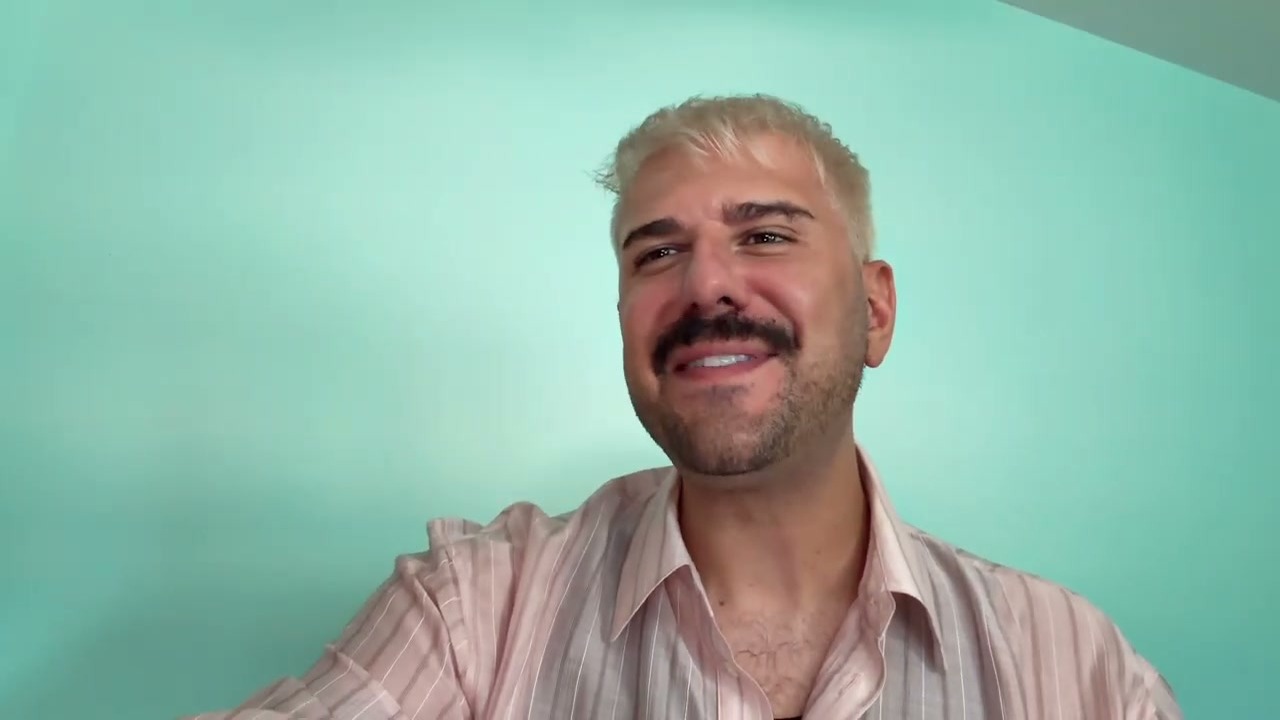
Dr. Gino teaches voice on Tunelark. View Dr. Gino’s profile
Will classical training make you sound operatic?
Singers who want a contemporary sound often fear that classical study will bend their voice toward something big, vibrato-heavy and formal, and that the voice they end up with will be less recognizably their own.
Dr. Gino does not hedge on it. “This is simply not true,” he says. “Classical training helps one to understand the function of the voice at its most pure. Once this understanding is achieved, aesthetic choices can be made to allow the student to move between styles.”
The distinction is between function and aesthetic. Classical training teaches the function. Operatic sound is one aesthetic choice you can make with that function, and a pop singer simply makes different ones. Understanding how your voice works does not commit you to any particular way of using it. It is what makes choosing possible in the first place.
The fear of losing your own sound runs the other direction too, at least in his studio. It is the reason he teaches the way he does. “I am also passionate about creating a safe space where students can experiment with their voice, and discover their own unique sound,” he says. He has seen the alternative from the inside. “Because I come from a conservatory-style training, many of us were trained to have a specific sound. My teaching nurtures the truly unique and personal traits of each student’s instrument, an asset that I feel is missing at many major music schools.”
He traces that back to his own best teachers. “The greatest teachers I have had are the ones who let me explore repertoire and honored my own, unique voice,” he says. “These are the teachers who encouraged me to think outside of the box artistically.”
So the honest version is that a foundation and a personal sound are not in tension. A generic sound comes from a studio that wants one, not from technique itself.
What it looks like week to week
None of this means a pop singer spends a year on art songs before touching the music they came for. In Dr. Gino’s studio, the foundation and the repertoire run side by side from early on.
In his studio, he says, “lessons are usually split into two parts: A technical portion, where we warm up and work on the more intricate vocal methods, and the repertoire portion, where we apply these ideas to actual music!”
The technical half is where breath, phonation, and resonance get built, on the long timeline that vocal technique actually follows. The repertoire half is where they get spent, on whatever the student actually wants to sing. A singer working toward musical theater auditions is doing classical-foundation work and musical theater repertoire in the same hour, which is why the training never feels like a detour into someone else’s genre. Between lessons, a realistic practice routine is what keeps both halves moving.
The first lesson sets that tone before any of the technical work starts. “The first lesson is a chance for us to get to know each other,” he says. “So while we do a bit of singing, so I can understand the instrument, we also do quite a bit of talking. This allows me to get to know you, discuss your goals, and start to build a relationship so that we are able to help you to meet your goals in a personalized and efficient way.” The goals come first, and the foundation is built to serve them.
About Dr. Gino
Dr. Gino is an Italian-American lyric baritone from Western New York, and a voice teacher at Tunelark. He holds a Doctor of Musical Arts in Voice Performance and Literature from the Eastman School of Music, where he studied with Robert Swensen, along with degrees from the Cincinnati College-Conservatory of Music and the Crane School of Music at SUNY Potsdam. He has performed across North America and Europe in roles including Count Almaviva in Mozart’s Le Nozze di Figaro, Valentin in Gounod’s Faust, and the title role in Debussy’s Pelléas et Mélisande.
He has taught for more than fifteen years and serves on the voice faculties of the Rochester Institute of Technology and the Eastman Community Music School. His studio runs from beginners through advanced singers, and every one of them works from the bel canto foundation described above, whatever repertoire brought them in. He also still performs, which is deliberate. After about a decade of singing professionally, he found that many of his own coaches and teachers were retired performers. “I felt that it may be valuable for my students to study with a teacher who was currently singing, who understood the landscape of the current audition and performance standards,” he says. “Because of this, I am able to help my students navigate their own careers in the professional space.”
Performance · Dover Beach
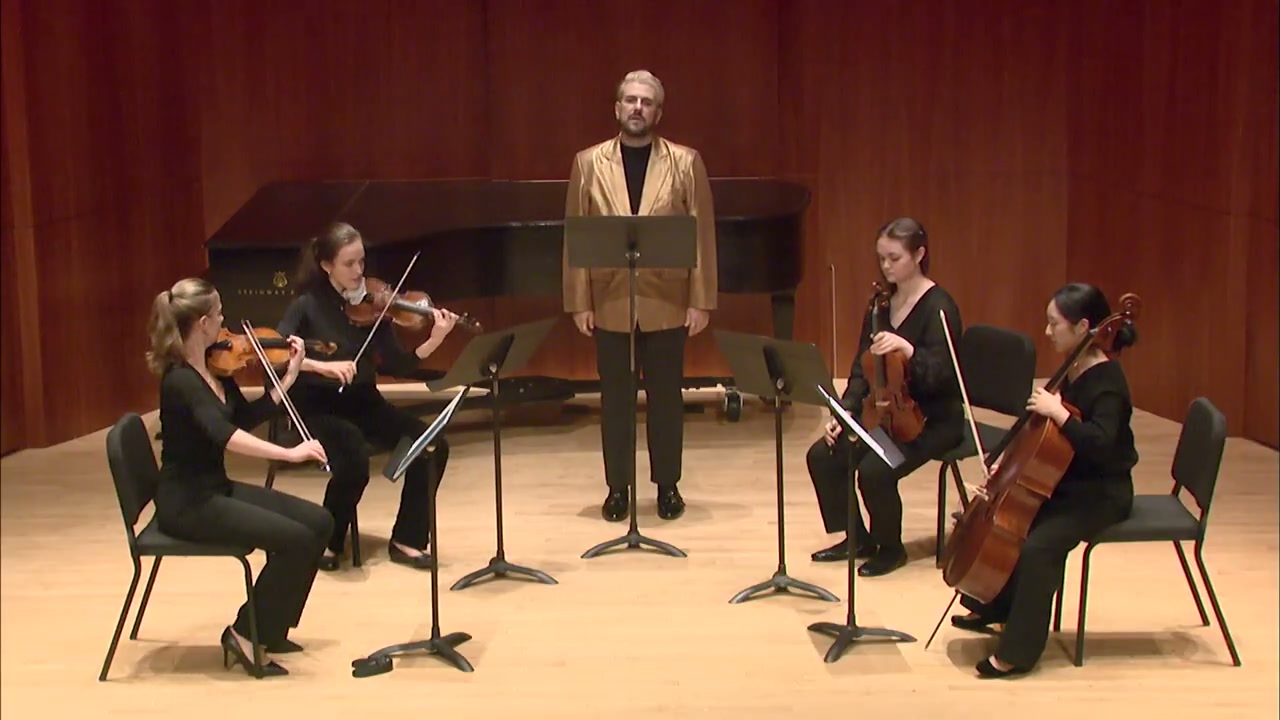
Dr. Gino performs Samuel Barber’s Dover Beach. View Dr. Gino’s profile
Ready to build a voice that works in any genre?
If you want to sing pop, musical theater, jazz, or anything else, a classical foundation is, in Dr. Gino’s studio, not a detour away from that goal. It is one well-established route to making the goal reachable and keeping it reachable for decades. The fastest way to start is with a teacher who will build the foundation around the music you actually want to sing, and it helps to know what to look for in an online voice teacher and how a vocal coach differs from a voice teacher before you choose.
Dr. Gino is currently accepting new voice students at Tunelark, and you can browse our vetted voice teachers to find the right fit. Every Tunelark teacher is vetted by working musicians and educators for teaching quality before they can list.
Frequently Asked Questions
What are the benefits of classical vocal training if I only want to sing pop?
A classical foundation gives you a working understanding of how your own voice functions: breath management, phonation, and resonance. As Dr. Gino puts it, students “will glean a science-based understanding of their voice that will allow them to sing in whatever genre they choose.” In practice that shows up as more range, more flexibility, access to harder material, and the ability to make deliberate stylistic choices instead of only producing one sound.
Will classical training make my voice sound operatic?
No. Classical training teaches how the voice functions, and operatic tone is one aesthetic choice made on top of that function. “Once this understanding is achieved, aesthetic choices can be made to allow the student to move between styles,” Dr. Gino says. A teacher who works across genres will help you apply the technique to the sound you actually want.
Will I lose my own sound if I study classically?
A good teacher builds toward your sound rather than away from it. Dr. Gino describes his studio as “a safe space where students can experiment with their voice, and discover their own unique sound,” and says his teaching “nurtures the truly unique and personal traits of each student’s instrument.” A uniform sound comes from a studio that trains for one, not from technique itself.
Do I have to sing classical repertoire to get a classical foundation?
Not exclusively. Lessons in his studio split into a technical portion and a repertoire portion, so a student builds the foundation and works on the music they came for in the same lesson. The repertoire can be musical theater, pop, or jazz while the technical work stays classical.
How long does it take before the foundation starts paying off?
The first few months build a basic sense of breath, phonation, and resonance, and the bigger technical gains keep arriving for years. Our guide to the vocal technique timeline walks through what changes in each phase.
Is a classical foundation worth it for an adult beginner?
Yes, and arguably more so. Adults tend to want their voice to last, and longevity is exactly what the foundation protects. “If any singer wants longevity, they must start with the fundamentals of a classical vocal technique, which is the root of all other singing styles,” Dr. Gino says.
Looking for an online voice teacher? See our full Online Voice Lessons page for everything you need to know about getting started.
Keep reading
About Jennifer Heath
I'm Jennifer Heath, VP of Operations at Tunelark and a lifelong singer. I joined the company in 2020 and oversee much of what makes Tunelark work for students and teachers: hiring, training and supporting our instructors, student support, marketing and day-to-day operations. I started voice lessons at 7 and sang with touring choirs through my teens. Music belongs in every life, for the self-expression, the discipline, the comfort and the simple joy of it.