Best Online Drum Teachers: Vetted and Taking New Students
Finding the right drum teacher makes all the difference, whether you are starting from a practice pad on the kitchen table or coming back to the kit after years away. Every Tunelark drum teacher is vetted by working musicians and educators for teaching quality before they can list, and you choose the one you want for one-on-one online lessons that fit your schedule and your goals.
Here is who is taking new drum students on Tunelark right now. Teachers set their own rates, so the trial prices below are as of September 2026, and each profile shows the current rate.
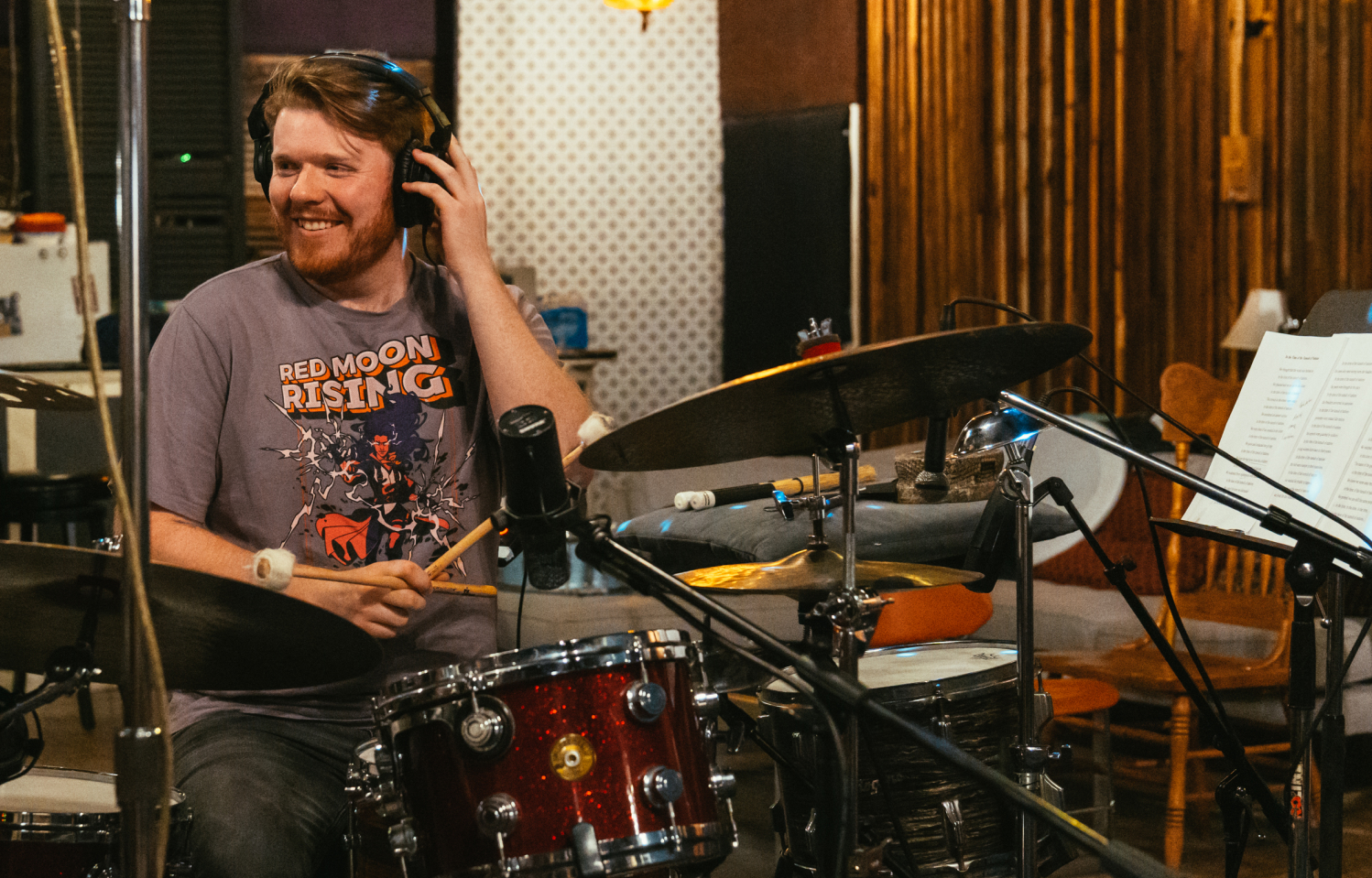
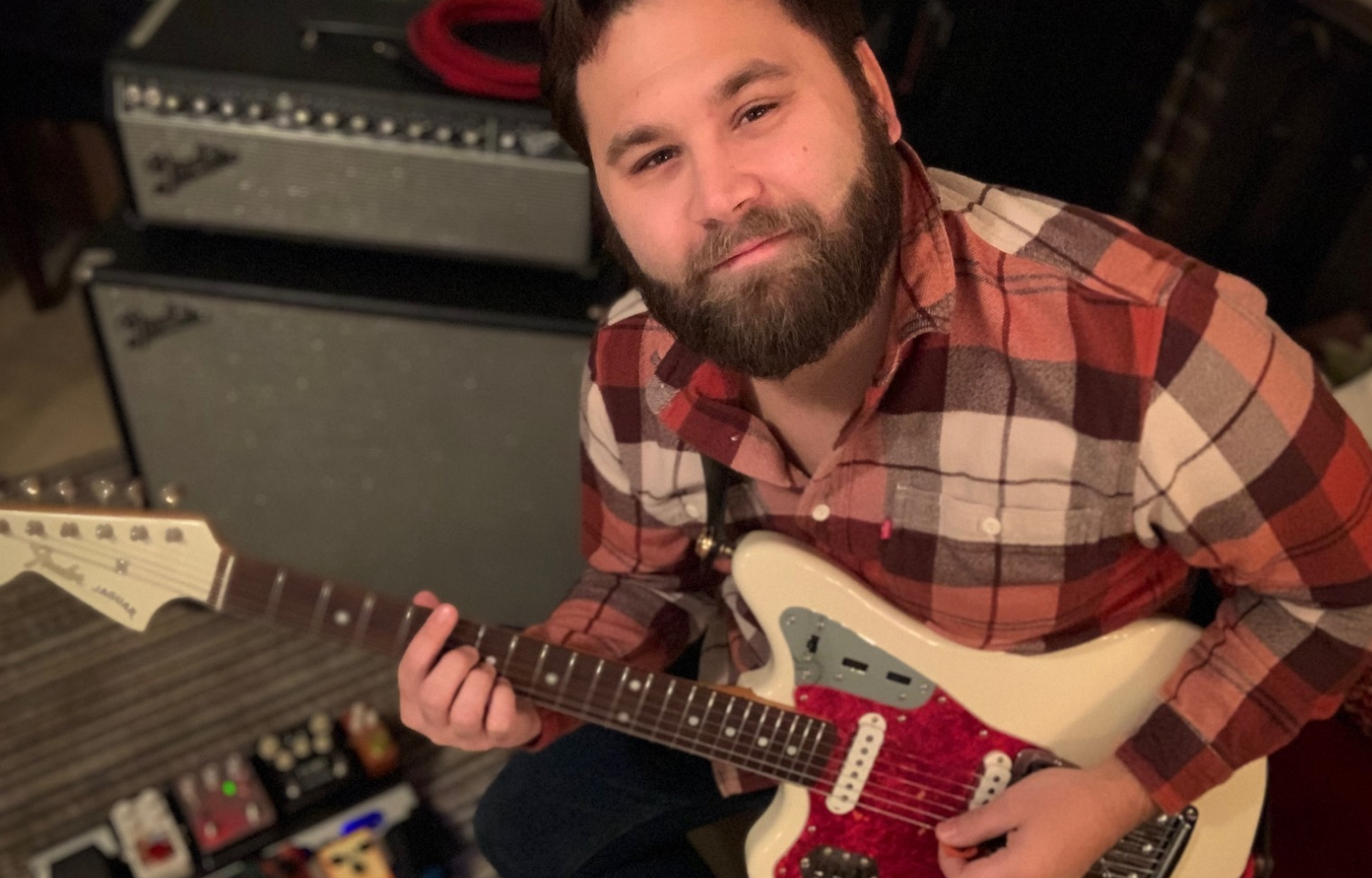
Drum Teachers on Tunelark
What to Look For in a Drum Teacher
Drum teaching is mostly grip, time and limb coordination, and a good teacher watches all three from the first lesson. Ask what the first month covers. A teacher who talks about matched grip, how you sit at the kit and a metronome before naming a single fill is telling you how they work, and it is the way that lasts.
Ask about the kit, too. Most online drum students play an electronic kit with mesh heads, and some start on nothing more than a practice pad. A teacher who has taught both knows what transfers and what does not, and will not send you out to buy an acoustic kit you have nowhere to put. Our guide to online drum lessons without an acoustic kit covers the options. Parents choosing between a kit and school percussion can read our guide to drum kit versus percussion lessons for kids before the trial.
Every Tunelark teacher is vetted by working musicians and educators for teaching quality before they can list. Past that point you choose the teacher: one whose genre background lines up with where you want to go, whose feedback style suits you, and whose schedule you can keep. A trial is $25 off the teacher’s rate for the length you choose, and ongoing lessons run 30, 45 or 60 minutes.
What a First Drum Lesson Covers
Most first lessons start away from the kit. Matched grip, with the stick held mostly by the thumb and index finger and the other fingers wrapped loosely so the stick can bounce. Then the throne height, so your thighs slope slightly down toward your knees, and the snare between your knees at about belly height. Beginners who skip this often spend months fixing sore shoulders and a weak left hand.
Then time. Quarter notes on the hi-hat with a metronome, then the kick on one and three and the snare on two and four. Most students play a simple beat that sounds like real music in the first lesson or two, which is why drums are one of the most immediately fun instruments to start.
You leave with a pad routine you can do without waking anyone, one grip or posture habit to watch, and a tempo to practice at. Fifteen to twenty minutes a day, five or six days a week, moves a beginner faster than an hour twice a week.
A trial lesson is the fastest way to find out whether a teacher works the way you learn. Have the kit or pad set up and the camera placed before the call starts, say what you want to be able to play, and ask yourself at the end whether the teacher actually watched your grip and posture or just gave you something to play. Our guide to a first lesson covers the parts of that half hour that have nothing to do with the instrument, and our beginner drum tips cover the first ninety days.
What Drums Need From Your Online Setup
Camera angle is most of the difference between a useful drum lesson and a frustrating one. Your teacher needs to see both hands, the snare and the hi-hat, and ideally your feet on the pedals, so set the laptop or phone to one side of the kit at about snare height rather than in front of your face. Once it works, leave it there.
Sound is the other half. An electronic kit can send its headphone output into the computer through an interface, so your teacher hears the kit rather than the room. On an acoustic kit, back the microphone off and turn off noise suppression, which treats a snare hit as something to clean up. Zoom has an Original Sound setting for this, and FaceTime has Mic Mode set to Wide Spectrum. Google Meet has no music mode.
If you play in an apartment, closed-back headphones, a mesh-head kit and an isolation riser keep the lesson between you and your teacher. Our guide to drum practice in an apartment covers the neighbors.
Why Learn Drums Online?
- Access to better teachers. You are not limited to whoever lives nearby. Tunelark’s teachers are based across the country, so you can find the right specialist for your goals.
- Scheduling flexibility. Lessons happen on your schedule. Evenings, weekends, whenever works.
- Comfort of home. Learning in your own space helps most students focus and reduces performance anxiety.
- Easy recording. Many students record lessons to review technique and feedback between sessions.
Ready to find your drum teacher? Browse all available teachers on Tunelark and book a trial lesson to get started.
Frequently Asked Questions
Do I need a drum kit to start lessons?
No. A practice pad, a pair of sticks and a metronome cover grip, stroke and time, which is half of drumming. Most online students move to an electronic kit with mesh heads, which starts around $400 to $700 as of 2026 and plays through headphones.
How long does it take to learn drums?
Most students play a simple beat that sounds like music in the first lesson or two, play along to a simple song within the first month or two, and hold a groove confidently through full songs by month six. Reading basic drum notation usually comes by the end of the first year.
What age can a child start drums?
Six to eight for most children. The gates are limb independence and being able to sit at a kit sized down to them, and a good teacher checks both in the trial lesson.
Can drum lessons really work online?
Yes. Grip, time and limb coordination are all visible and audible over video. Set the camera to one side at snare height so your teacher sees both hands and your feet, and turn on your video app’s original sound setting.
What about the neighbors?
An electronic kit through closed-back headphones removes most of the airborne sound, and an isolation riser under the kit deals with the thump that travels through the floor. Keep practice to daytime hours and tell the neighbors before the first session.
Looking for an online drum teacher? See our full Online Drum Lessons page for everything you need to know about getting started.
Keep reading
About Jennifer Heath
I'm Jennifer Heath, VP of Operations at Tunelark and a lifelong singer. I joined the company in 2020 and oversee much of what makes Tunelark work for students and teachers: hiring, training and supporting our instructors, student support, marketing and day-to-day operations. I started voice lessons at 7 and sang with touring choirs through my teens. Music belongs in every life, for the self-expression, the discipline, the comfort and the simple joy of it.