Best Online Violin Teachers: Vetted and Taking New Students
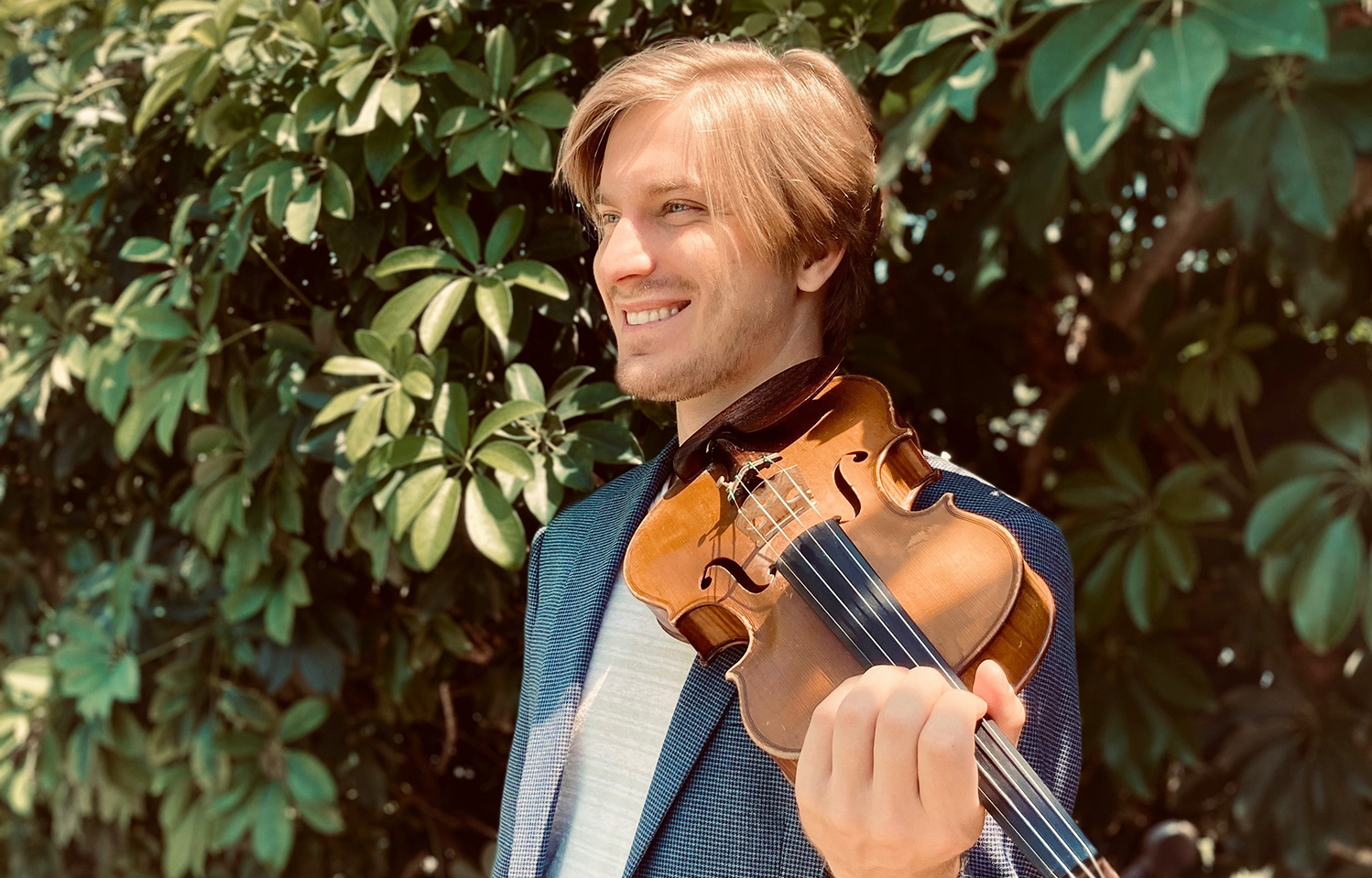
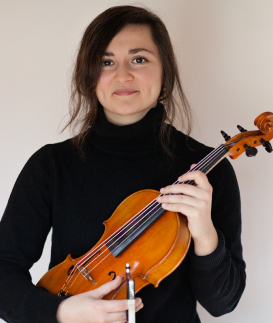
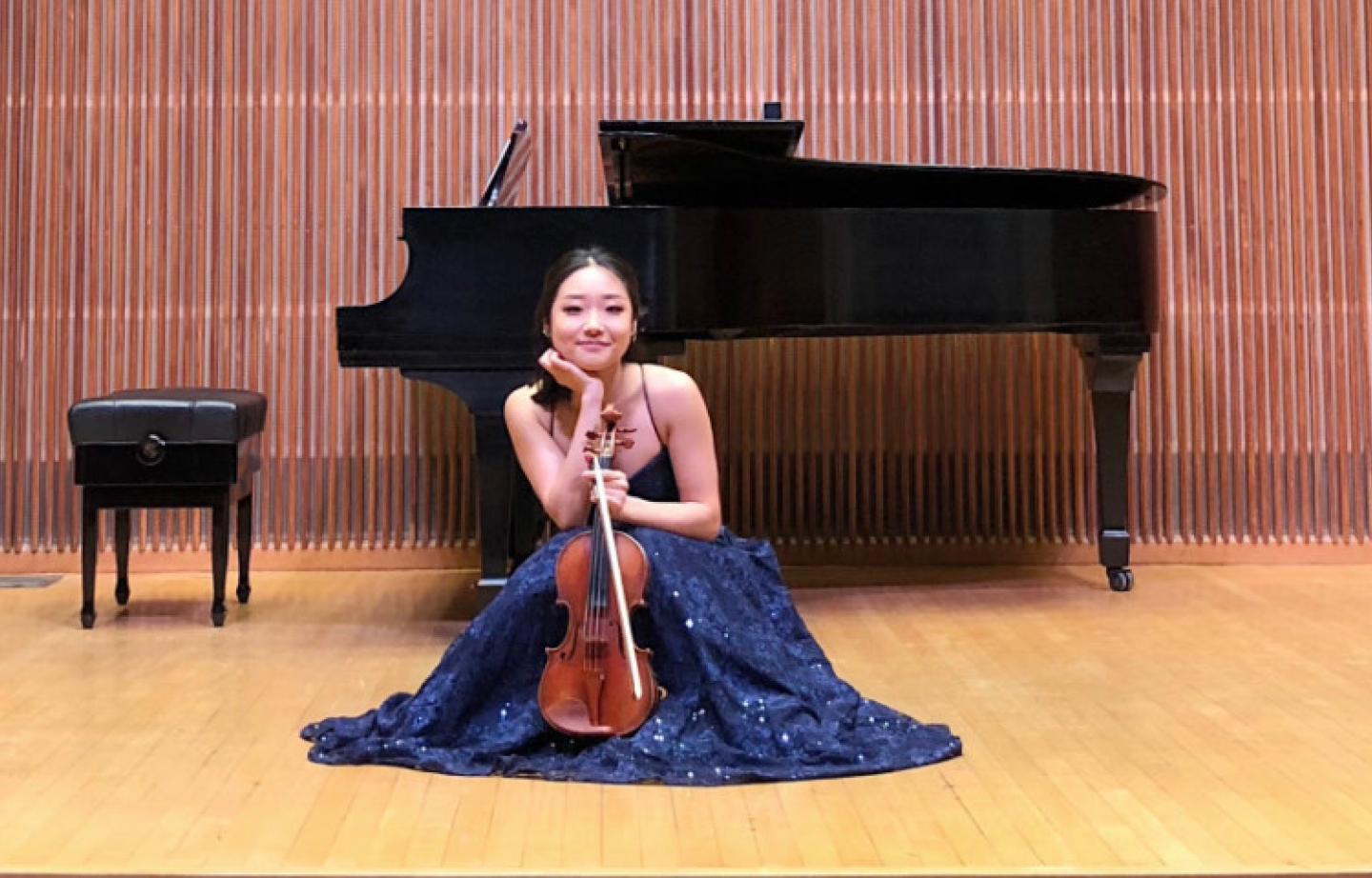
Finding the right violin teacher makes all the difference, whether you’re a complete beginner or working past a plateau. Every Tunelark violin teacher is vetted by working musicians and educators for teaching quality before they can list, and you choose the one you want for one-on-one online lessons that fit your schedule and your goals. Here is who is taking new violin students on Tunelark right now. The teachers below come from classical training, and Jana K. also teaches jazz, pop, hymns and bluegrass to adult students, so if fiddle or contemporary playing is what you are after, ask about it in the trial lesson before you commit. The roster changes through the year, and the styles on offer change with it.
Ready to find your violin teacher? Browse all available teachers on Tunelark and book a trial lesson to get started.
Violin Teachers on Tunelark
What to Look For in a Violin Teacher
Violin teaching runs in lineages, and the one a teacher comes from shapes your first year. Suzuki-trained teachers start by ear and build a shared repertoire in a set order. Teachers from a traditional studio background introduce notation early and work through scale and etude books. Fiddle players teach tunes by ear and put groove and ornament ahead of reading. All three produce good players, so the question is which one matches the music you want to make. For a family weighing the first two, our guide to Suzuki or traditional violin lessons sets them side by side.
Ask a teacher two things before you book. What does the first three months look like, and how do you handle instrument setup on camera. A violin teacher who wants to see your shoulder rest, your chin rest and your bow hold in the first lesson is doing the most valuable thing an online teacher can do, because a badly fitted rest builds in tension that only refitting the rest will undo.
Tunelark’s vetting is specific: a music degree, at least two years of teaching experience, a background check Tunelark runs, a performance sample and a live teaching sample, all reviewed by working musicians. The trial lesson is how you decide. A trial is $25 off the teacher’s 30-minute rate, and ongoing lessons run 30, 45 or 60 minutes.
What a First Violin Lesson Covers
Most first lessons spend their opening minutes away from the bow entirely. How the violin sits on your collarbone, whether the weight of your head rests on the chin rest instead of your shoulder gripping upward, and whether your left wrist stays straight are the things that decide how the next year feels.
Then the bow. A rounded thumb against the frog, curved fingers, and a stroke drawn parallel to the bridge rather than drifting toward the fingerboard. Teachers usually keep you on open strings here, listening for a steady tone rather than for notes, and it is completely normal to spend a first lesson on the four open strings, G, D, A and E from the lowest.
The lesson usually closes with your first left-hand notes and a plan for the week. You leave with one small assignment and a clear picture of what a good five minutes of practice looks like, which is more useful in month one than any amount of repertoire. Our beginner violin guide covers the same ground in more detail, and our guide to what to expect in your first online music lesson covers the general shape of a first lesson on any instrument.
What Violin Needs From Your Online Setup
Camera angle does more for a violin lesson than any microphone. Set the camera to your left and slightly in front, so your teacher can see the bow crossing the strings and your left hand in the same frame. A phone on a small tripod at music stand height beats a laptop sitting flat on a table.
The setting worth changing is noise suppression. Video platforms are tuned for speech and treat a sustained bowed note as background noise, so your tone arrives thin and fluttery. Zoom has an Original Sound setting that disables noise suppression, and FaceTime has Mic Mode, set to Wide Spectrum, for the same purpose. Google Meet has no music mode, and its noise cancellation toggle exists only on paid Workspace and Google One plans.
Tune before the lesson rather than during it. Fine tuners on the tailpiece handle small corrections, and on a student violin a tailpiece with fine tuners on all four strings is worth asking for. Plenty of violins carry one only on the E string, which leaves G, D and A to be tuned at the pegs. A clip-on tuner runs about $10 to $25 and saves a few minutes of every lesson you will ever take.
How to Choose the Right Violin Teacher
The best teacher isn’t the one with the longest resume. It’s the one who matches your goals, your learning style, and your schedule.
- Your goals. Are you learning for fun, working toward a specific piece, or preparing for a performance? Different teachers specialize in different outcomes.
- Genre and style. Make sure your teacher’s background aligns with where you want to go.
- Communication style. Some students thrive with structured feedback. Others prefer a relaxed, exploratory approach. Your trial lesson is the best way to find out.
- Availability. Consistency matters more than almost anything else in music learning. Find a teacher whose schedule you can reliably commit to.
Why Learn Violin Online?
- Access to better teachers. You’re not limited to whoever lives nearby. Tunelark’s teachers are based across the country, so you can find the right specialist for your goals.
- Scheduling flexibility. Lessons happen on your schedule. Evenings, weekends, whenever works.
- Comfort of home. Learning in your own space helps many students settle and feel less watched.
- Easy recording. Many students record lessons to review technique and feedback between sessions.
Ready to find your violin teacher? Browse all available teachers on Tunelark and book a trial lesson to get started.
What to Actually Compare Between Violin Teachers
Every profile below will say patient and experienced. The differences that matter are harder to see, and they are mostly about tradition and repertoire.
Brian S. has an international performing career and over ten years of private teaching. Jana K. has been a member of the Greenville Symphony since 2024 and has taught privately for ten years. Devin B. started on violin at age four and moved to viola during her undergraduate degree. Esther S. served as concertmaster of the Oberlin Orchestra.
Those are four different educations. A violinist who came up through pit bands and one who came up as a concertmaster will teach the same beginner a different first year, and neither is wrong. Pick the one whose music you want to end up playing.
Whichever tradition you choose, the bow comes first. Brian S. works through up bow and down bow, and why bow direction shapes the sound as much as the notes do.
Skill video · Up and Down Bow
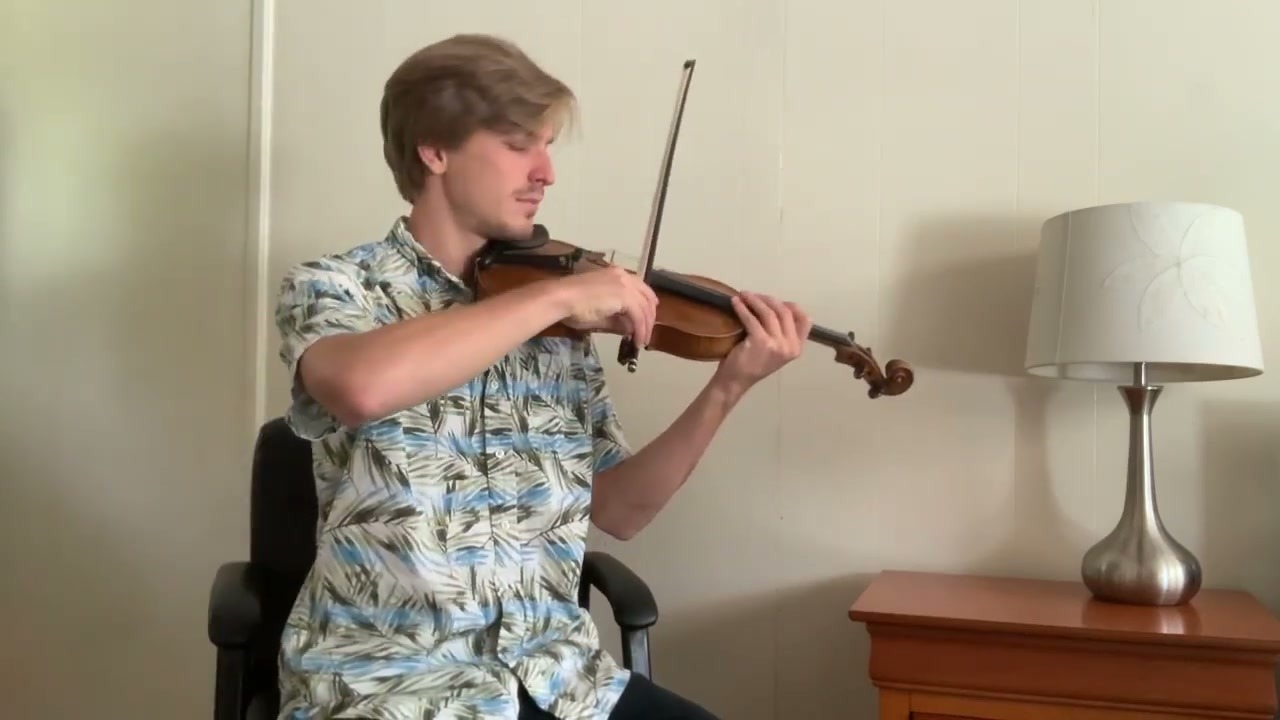
Brian teaches violin lessons online with Tunelark. View Brian’s profile
Frequently Asked Questions
Is violin hard to learn?
Violin has a reputation for being challenging, and producing a clean tone does take real work early on. But with a patient teacher and consistent practice, students make meaningful progress. Most find the challenge deeply rewarding.
How old do you have to be to start violin?
Most children start violin between 6 and 8, which is when the attention and practice demands are realistic. Starting at 3 or 4 happens inside a parent-participation method such as Suzuki, where a parent attends every lesson and leads a short daily practice at home. Fractional sizes run down to 1/32, so the instrument itself is rarely what decides it. Adults start violin successfully at any age.
Do I need an expensive violin to start?
No. Rental from about $20 a month is the usual start. If you buy, expect roughly $200 to $500 for a playable student outfit from a string shop, as of 2026. Your teacher can advise on what to look for.
How long does it take to learn violin?
The worst of the scratchiness usually clears in three to six months of consistent lessons, and consistently pleasant tone takes closer to a year. Real confidence and musical expression typically take two to three years.
How much should a beginning violinist practice?
Fifteen to 20 minutes a day, five or six days a week, is the target for a beginner. Short consistent sessions build the hand and the ear far more reliably than occasional long ones, and one or two rest days a week are part of the plan.
Can violin be learned online?
Yes. A teacher can see your bowing arm, left-hand position, and posture on video and provide real-time correction. Online violin lessons are increasingly common and effective at all levels.
Teacher availability on Tunelark changes regularly. Browse the full current roster to see who’s accepting new students now.
Looking for an online violin teacher? See our full Online Violin Lessons page for everything you need to know about getting started.
Keep reading
About Jennifer Heath
I'm Jennifer Heath, VP of Operations at Tunelark and a lifelong singer. I joined the company in 2020 and oversee much of what makes Tunelark work for students and teachers: hiring, training and supporting our instructors, student support, marketing and day-to-day operations. I started voice lessons at 7 and sang with touring choirs through my teens. Music belongs in every life, for the self-expression, the discipline, the comfort and the simple joy of it.
About Tunelark
Tunelark is a community of inspiring, professional music instructors. Our shared vision is to help our students connect with their intrinsic love of music and follow their curiosity to grow as musicians and people.
Lessons take place over video chat so that students can learn from the comfort and convenience of their own home.
Browse our community of expert teachers and pick the one who resonates most with your goals and learning style. As always, we guarantee a great match or your money back.
If you’re ready to get started with 1-on-1 online violin lessons, book your first lesson with a Tunelark instructor today. Your first lesson is 50% off!