How to Set Up the Perfect Home Practice Space
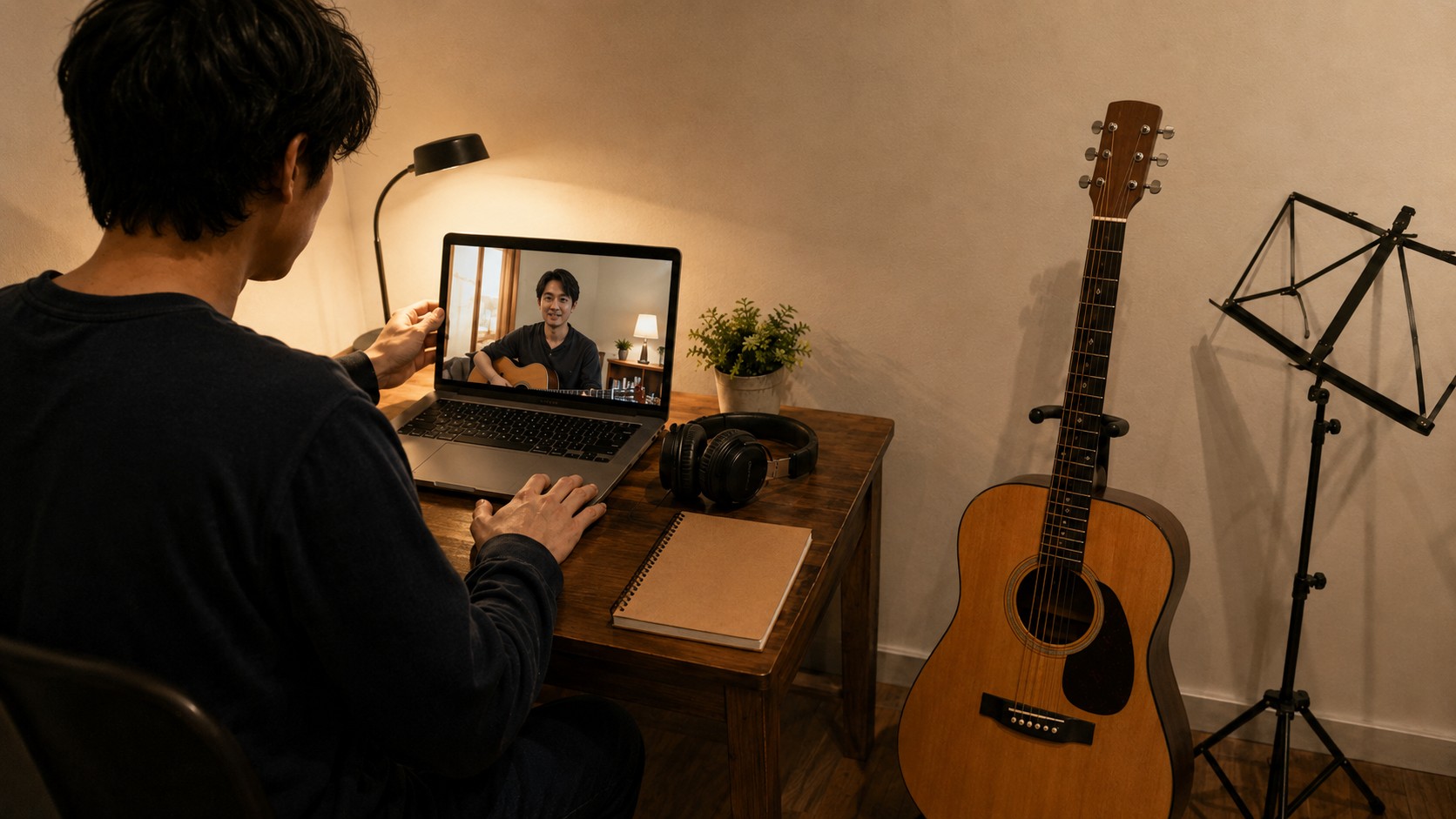
You don’t need a soundproof music studio to practice effectively at home. You don’t need perfect acoustics, professional lighting, or a dedicated room. What you do need is a consistent, comfortable spot where you can focus, and setting that up is easier than most people think.
Creating a good home music practice space is less about the physical environment and more about removing the friction between you and your instrument. When practice is easy to start, you’ll do it more often and with better focus.
Choose Your Spot Thoughtfully
The single most important feature of a practice space is consistency. Pick a spot and make it yours. This doesn’t need to be a whole room: a corner of a bedroom, a quiet section of the living room, or even a spot in the garage can work beautifully. Drummers in apartments have an extra problem, impact noise, and our guide to drum practice in an apartment solves it.
What to look for:
- Away from heavy foot traffic: kitchens and living rooms at peak family hours are distracting. A bedroom corner is often ideal.
- Near a power outlet. You’ll likely need to charge devices, power a keyboard, or plug in a light.
- Good natural or artificial light. You need to see your music stand, your instrument, and your hands. An inexpensive clip-on light for the music stand is worth having if natural light is limited, and it doubles as a reading light for evening lessons.
- Reasonably quiet. It doesn’t need to be silent, but TV noise, loud conversations, and other distractions will make it harder to focus.
Acoustics: Don’t Overthink It
Many students worry about room acoustics, and while they do matter for recording, they matter much less for practice. If your practice room feels very “live” (lots of echo), soft furnishings (rugs, curtains, bookshelves) will naturally absorb some of that. If it feels very “dead” (very little reverb), that’s actually fine for practice; you’ll hear your technique clearly.
The main thing to avoid is practicing in a bathroom or very small tiled space, where the acoustics are so reflective that they can mask technique issues. Anywhere else in your home is probably fine.
Set Up for Ease and Ergonomics
The goal of your home music practice space setup is to eliminate every possible excuse not to start. That means:
Have everything within arm’s reach. Your instrument should be accessible, not buried in a case in the closet. If you play guitar, consider a wall hanger or a stand where your guitar lives in your practice space. If you play piano or keyboard, it should be set up and ready to go, not folded under a bed.
Keep your music stand at the right height. If you’re sitting, the center of your music should be roughly at eye level. If you’re standing, the same principle applies. A poorly positioned music stand causes neck strain and makes reading music harder.
Have a pencil handy. This sounds minor, but musicians who mark their music (noting fingerings, circling tricky spots, writing reminders from their teacher) learn faster. Pencil, not pen, so you can erase and revise.
Use a real chair at the right height. For instruments where you sit, such as piano, guitar and cello, the height of the seat matters more than the back of it. Use a firm, flat chair or bench, sit toward the front of it rather than leaning back into the support, and keep both feet flat on the floor. For piano, set the height so your forearms are roughly level with the keys. For guitar and cello, aim for knees at or just below hip height so the instrument sits where your arms can reach it without leaning after it. Classical guitarists are the exception: a footstool or a guitar support lifts the left knee above the hip. A soft chair with good back support invites exactly the slump that piano and cello teachers spend lessons undoing.
Minimize Distractions
Your phone is the biggest enemy of focused practice. Put it on silent, face-down, or in another room while you practice. Even the awareness that it might buzz is enough to fragment your attention.
If you practice in a shared space, it can help to signal to others that practice time is focus time. A simple routine (closing a door, putting on headphones for family members who are nearby) creates a psychological boundary that helps everyone.
If a silent room makes every household noise more distracting, a fan or a white-noise source can mask it. Keep it low, because it also hides the soft detail in your own playing, the attacks, releases and intonation you need to hear to improve. Try a session with it and a session without, and keep whichever one you listened to yourself more closely in.
Keep It Welcoming
Finally, make your home music practice space somewhere you actually want to be. This is personal, some students like a small plant nearby, a favorite piece of art on the wall, or good lighting that makes the space feel cozy. None of this affects your playing, but it affects how you feel about showing up.
Your practice space doesn’t have to be perfect. It just has to be yours.
What Our Teachers Ask Students to Change First
Most of the advice above is about the room. The changes our teachers actually request are smaller and more specific than that.
The commonest one is the camera angle, because a teacher who cannot see your hands is teaching with one sense missing. The second is headphones, which stop the platform from treating your own instrument as echo and ducking it.
Neither costs anything. Both matter more than the acoustics of the room, which is the thing people spend money on first.
How to Find a Good Music Teacher on Tunelark
A good practice space removes the friction. A good teacher tells you what to do once you are sitting in it, and gives you a reason to come back to it next week. Many Tunelark teachers excel at structuring practice and keeping students accountable.
1. Open the teacher list and filter by your instrument.
2. Read bios. Look for teachers who describe how they structure lessons and homework, not just what they teach.
3. Book a trial lesson with one whose profile resonates.
After the trial, ask yourself: did the teacher give you a clear, specific plan for the week, or vague encouragement?
All the practice habits in the world land better when you have a teacher who actually knows what to do with them.
Frequently Asked Questions
Do I need a dedicated room for practicing music?
No. A consistent corner of a room works fine. The key is having your instrument set up and accessible so practice doesn’t require setup time every session.
How can I reduce noise in my practice space?
Two different problems get called noise. Rugs, curtains and soft furniture tame the echo inside a room, but they do almost nothing to stop sound reaching the next room, so they will not keep a neighbor from hearing you. For that, use headphones with a keyboard or any electric instrument, fit a practice mute on a violin or a brass instrument, agree on practice hours with the household, and seal the gap under the door, since doors leak far more sound than walls do.
What’s the minimum equipment for online lessons?
Your instrument, a laptop or tablet with its built-in camera and microphone, a stable internet connection, and a music stand within reach. A USB mic is a worthwhile upgrade later. Frame your hands and instrument rather than your face, or head and torso if you sing, keep the microphone within a few feet, light the space from the front rather than behind you, and use headphones or a decent speaker so your teacher comes through clearly. Most homes already have most of this.
Does lighting affect practice quality?
Yes: good lighting helps you read music and lets your teacher see your hands clearly on camera. A simple desk lamp or window light works. Avoid back-lighting that turns you into a silhouette.
What kind of chair should I practice in?
A firm, flat chair or bench, chosen for its height rather than its back support, with both feet flat on the floor. Set Up for Ease and Ergonomics above gives the seat heights for piano, guitar and cello.
Keep reading
About Jennifer Heath
I'm Jennifer Heath, VP of Operations at Tunelark and a lifelong singer. I joined the company in 2020 and oversee much of what makes Tunelark work for students and teachers: hiring, training and supporting our instructors, student support, marketing and day-to-day operations. I started voice lessons at 7 and sang with touring choirs through my teens. Music belongs in every life, for the self-expression, the discipline, the comfort and the simple joy of it.