How to Restart Music Lessons After Years Away
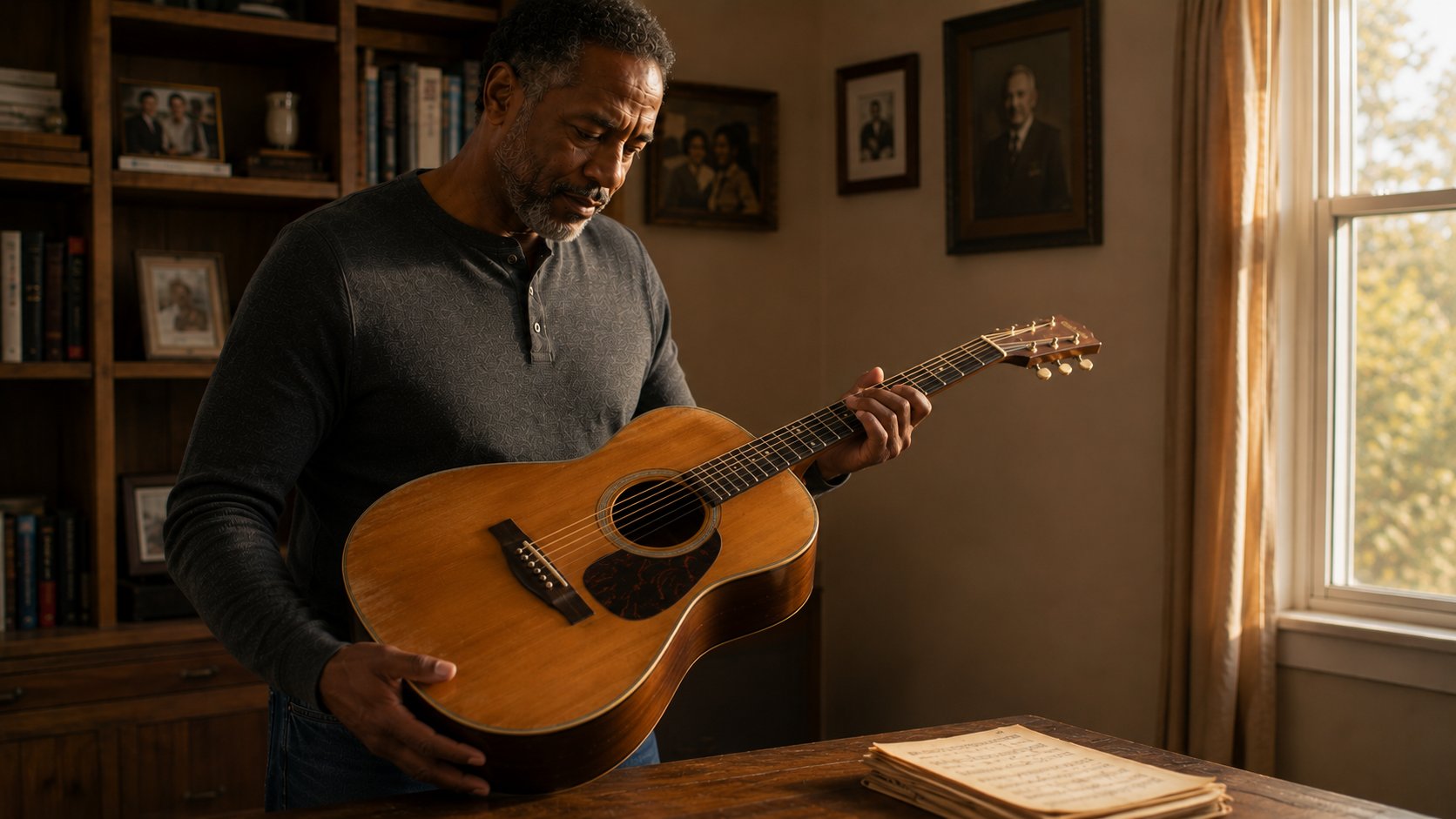
A surprising number of adult students are not actually beginners. They’re returners. They played as kids, stopped sometime between middle school and college, and somewhere in their thirties, forties, or fifties decided to come back to the instrument they used to love. The skills they built decades ago are still there, mostly. They just need to be rediscovered.
Here’s what to expect when you restart music lessons, how to approach it, and why it’s usually easier than you think.
Why Returning Players Have a Real Advantage
Several pieces of good news for restarters:
Muscle memory is durable. Motor skills tend to be retained better than facts and theory, and returners are often surprised by how much comes back once their hands are on the instrument again. How much depends on how well the skill was learned in the first place and how long you kept it up, so someone who studied for eight years has more waiting for them than someone who quit after one. What is there will be rusty rather than gone.
Reading skills come back fast. If you read music as a kid, you can read music now. The reading might be slow at first, but the underlying ability usually comes back far faster than it took to learn the first time.
Ear training transfers. Whatever ear you developed as a young musician (pitch matching, interval recognition, harmonic awareness) is still there. It just needs to be reactivated.
Adult patience helps. As an adult, you can focus, accept slow progress, and self-direct in ways you couldn’t as a kid. This often makes returning learning faster than initial learning.
The four advantages above compound, which is why relearning so rarely feels like learning from scratch, and why the early weeks are usually about rediscovery rather than instruction.
Mary Beth S., who teaches voice on Tunelark, has a student who came back to singing after a gap that began in their teens.
“I started lessons with Mary Beth to find my voice again as an adult after I’d stopped singing in my teens. Soon I was making vocal breakthroughs and overcoming challenges and mental blocks I’d struggled with my whole life.”
What’s Realistic in the First Six Months
The pace below varies with how long you played, how recently you stopped, and how much you practice now, so read it as a rough sequence rather than a schedule. What most returning players experience:
Week 1. Awkward, rusty, surprised at what’s missing. Hand positions feel weird. Reading is slow. You make beginner mistakes you don’t remember ever making. This is normal and brief.
Weeks 2-4. Things start coming back. Muscle memory clicks in. The instrument starts feeling like yours again. You realize how much was just below the surface, waiting to be activated.
Months 2-3. You’re approaching your old playing level. Pieces you used to know start coming back. New material gets learned faster than you expected.
Months 4-6. Many returners are back at or past where they stopped, especially those who played for several years. Now you’re in genuinely new territory. Adult-learner territory, which has its own rewards.
The shape of it, a rusty start followed by a fast recovery and then new ground, is what teachers see in most returning players. The months above are labels for that sequence rather than deadlines, so a returner who arrives at the month-three description in month five has lost nothing at all. What matters is that the sequence keeps moving.
What to Tell Your New Teacher
A good first lesson with a returning player includes some specific information-sharing. Be ready to talk about:
- What instrument(s) you played, and at what level.
- How long you played, and when you stopped.
- Why you stopped (it shapes what you might want to avoid this time).
- What styles you played: classical, jazz, pop, and so on.
- What you remember loving about playing.
- What you’d like to do with the instrument now.
This conversation usually opens the first lesson and takes a few minutes, and it gives the teacher what they need to design your relearning sequence. Plenty of returners book a 45- or 60-minute first lesson so there is room for the history and for playing.
What to Expect to Have Lost
Some specific skills tend to atrophy faster than others:
- Technical speed. You’ll be slower than you were. This comes back with practice.
- Stamina. Your hands and arms get tired faster. Build back gradually.
- Pieces from old repertoire. Specific pieces fade. But you’ll be amazed how quickly they come back when you revisit them.
- Theory you used to know. Cognitive details often fade more than embodied skills. Expect to relearn some concepts.
One thing often comes back better than it left: musicality. Phrasing, dynamics and expression tend to deepen with age and life experience, so returners frequently find they play more musically now than they did as teenagers, even while the fingers are still catching up.
Common Restart Mistakes to Avoid
A few patterns that slow restarters down:
Comparing yourself to your teenage self. You’re not the same person. Your time, energy, and goals are different. Don’t try to match what you used to do. Discover what you can do now.
Going back to your old teacher’s methods if they weren’t right for you. Some adults carry bad memories of strict or joyless childhood lessons. You can choose a different teaching approach this time. You’re not 12 anymore.
Trying to do too much too fast. The combination of memory of your old skill level and excitement about being back can lead to over-practicing and injury. Build gradually.
Avoiding lessons because “I should know this already.” Many returners feel embarrassed about needing a teacher for an instrument they used to play. Don’t. A teacher accelerates your relearning enormously.
Picking up the wrong instrument out of nostalgia. Sometimes the instrument you played as a kid isn’t actually the one you want as an adult. It’s okay to switch if the original choice wasn’t really yours.
What to Reach For
A few things that help returners get the most out of coming back:
Find pieces you used to love and want to play again. Working back through pieces you knew at 14 connects you to your past self while building current skill. The emotional resonance is part of the value.
Try music you couldn’t have appreciated as a kid. Adult ears hear music differently. Jazz, classical, contemporary composers: the repertoire that didn’t grab you at 16 might be exactly what grabs you now.
Set goals that match your actual life. Maybe you want to play a wedding for a friend. Maybe you want to perform at an open mic. Maybe you just want to relax with the piano in the evening. Specific goals give the work shape.
Join a community of other adult restarters. Online and in-person communities of returners exist for most instruments. The shared experience is meaningful.
A goal sized to your life is the one returners keep. Sara M., who teaches clarinet on Tunelark, has taught retired adults picking the clarinet back up after years away. She enjoys meeting students where they are and helping them reach the goals they arrive with.
How to Find a Music Teacher on Tunelark
Many Tunelark teachers work with returning adult players, and the ones who do tend to say so in their bios. To find a teacher:
1. Open the teacher list and filter by your instrument.
2. Read bios. Look for teachers who specifically mention working with returning players or adult restarts.
3. Book a trial lesson with one whose approach feels right.
4. After the trial, notice: did the teacher seem to take your history seriously and design a relearning approach for who you are now?
Restarting music lessons as an adult is genuinely one of the most rewarding things a former-young-musician can do. More of what you built decades ago is still there than you expect. With a good teacher and a little patience for the rust, you’ll be playing again, and often playing better than you ever did before.
Frequently Asked Questions
How long will it take to get back to my old level?
A few months of weekly lessons, for most returners. The six-month sequence above sets out the shape, and where you land inside it depends on the history you bring back.
Should I take lessons with my old teacher again?
Only if that teacher was the right fit for you originally. Many adults benefit from a fresh teacher whose approach better matches who they are now, not who they were at 14.
What if I don’t remember anything?
You remember more than you think. Restarting will reveal what’s still there. Reading, technique, and muscle memory return faster than you’d expect, often surprisingly so.
Can I switch instruments when I restart?
Absolutely. Many returners discover they actually want to play a different instrument as adults than the one they played as kids. Your musical foundation transfers, and the new instrument can renew the joy of learning.
Is it embarrassing to need a teacher again?
No. Many adult restarters benefit enormously from a good teacher. The teacher accelerates your relearning and helps you avoid bad habits, neither of which has anything to do with whether you “should” know this already.
Keep reading
About Jennifer Heath
I'm Jennifer Heath, VP of Operations at Tunelark and a lifelong singer. I joined the company in 2020 and oversee much of what makes Tunelark work for students and teachers: hiring, training and supporting our instructors, student support, marketing and day-to-day operations. I started voice lessons at 7 and sang with touring choirs through my teens. Music belongs in every life, for the self-expression, the discipline, the comfort and the simple joy of it.