Vocal Coach vs. Voice Teacher: What’s the Difference?
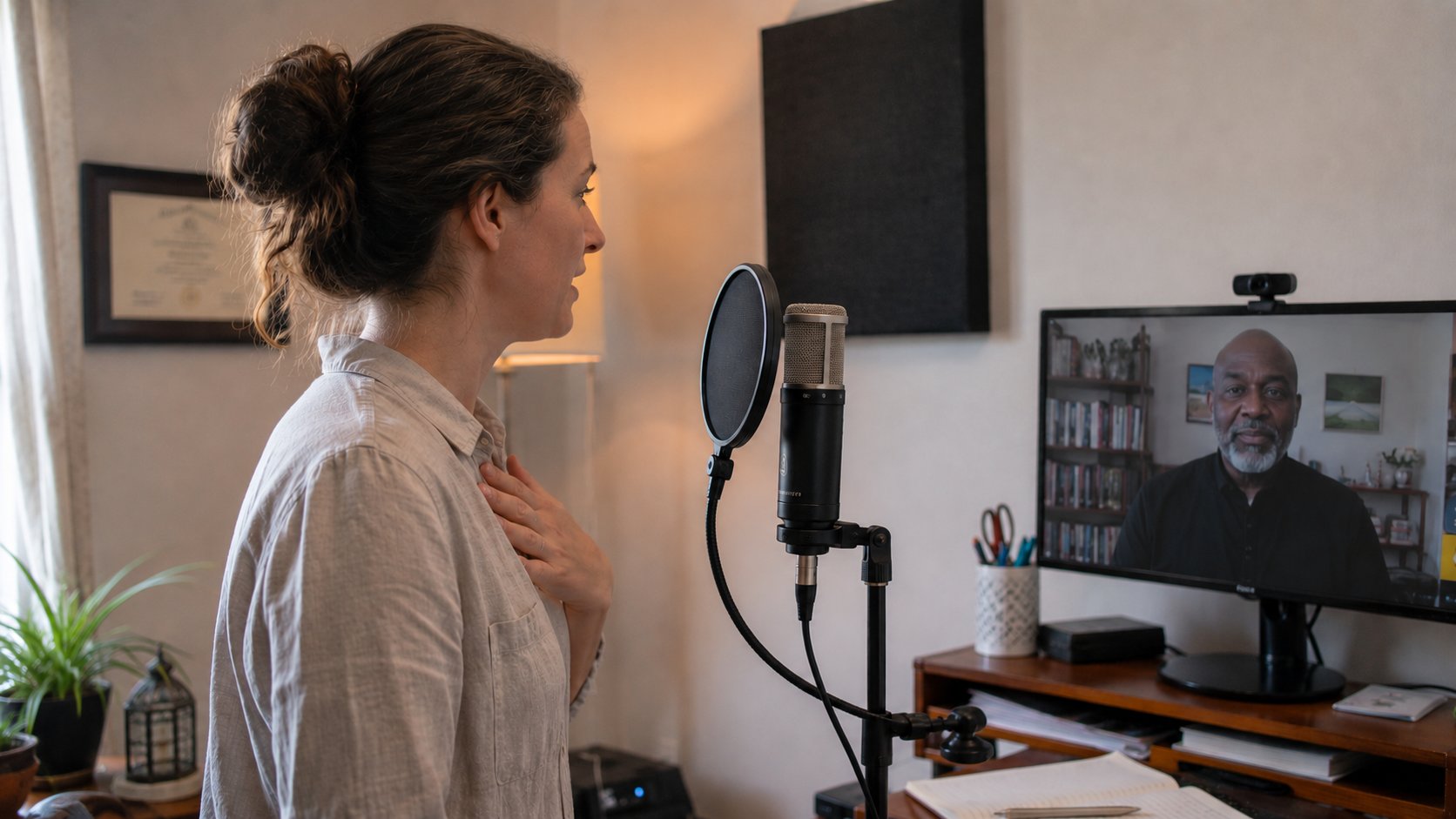
People use “voice teacher” and “vocal coach” interchangeably, but in the singing world they mean different things. The distinction tells you what to ask for and what to expect. Here’s the actual difference, and how to figure out which one you need.
The Short Version
A voice teacher builds the instrument itself. They work on technique, breath, range, register coordination, vocal health, posture, vowel placement: the underlying mechanics of how you produce sound. A voice teacher’s job is to make your voice work better.
A vocal coach works with an existing instrument on the music being performed. They focus on interpretation, style, language and diction (especially in classical and theater), phrasing, character work, audition prep, and the performance side of singing. A vocal coach’s job is to make your performance better. Our guide to singing in a foreign language covers how a singer starts on Italian, German and French texts.
Both serve real purposes. Most serious singers eventually need both, in different proportions at different stages.
What a Voice Teacher Does
A voice teacher’s sessions tend to involve:
- Warm-ups and exercises designed to develop your specific voice.
- Diagnostic work on tension, breath, registration, and resonance.
- Vocal pedagogy: explaining what your voice is doing and why.
- Foundational technique that will serve any style of singing you eventually want to do.
- Working through pieces, with a focus on what they reveal about your technique.
A voice teacher is usually who you start with if you’re new to singing, returning after years away, or experiencing vocal problems. The work is slow and foundational. The payoff is a more reliable, healthier, more flexible instrument.
That foundational work is easier to recognize once you have watched some of it. Isabel, one of the voice teachers on Tunelark, shows singers where the breath actually goes and how to stop clamping the ribs to get it there. She is not working on a song here. She is working on the mechanism that sits underneath every song, which is the difference between the two jobs in one picture.
Skill video · Rib Breathing
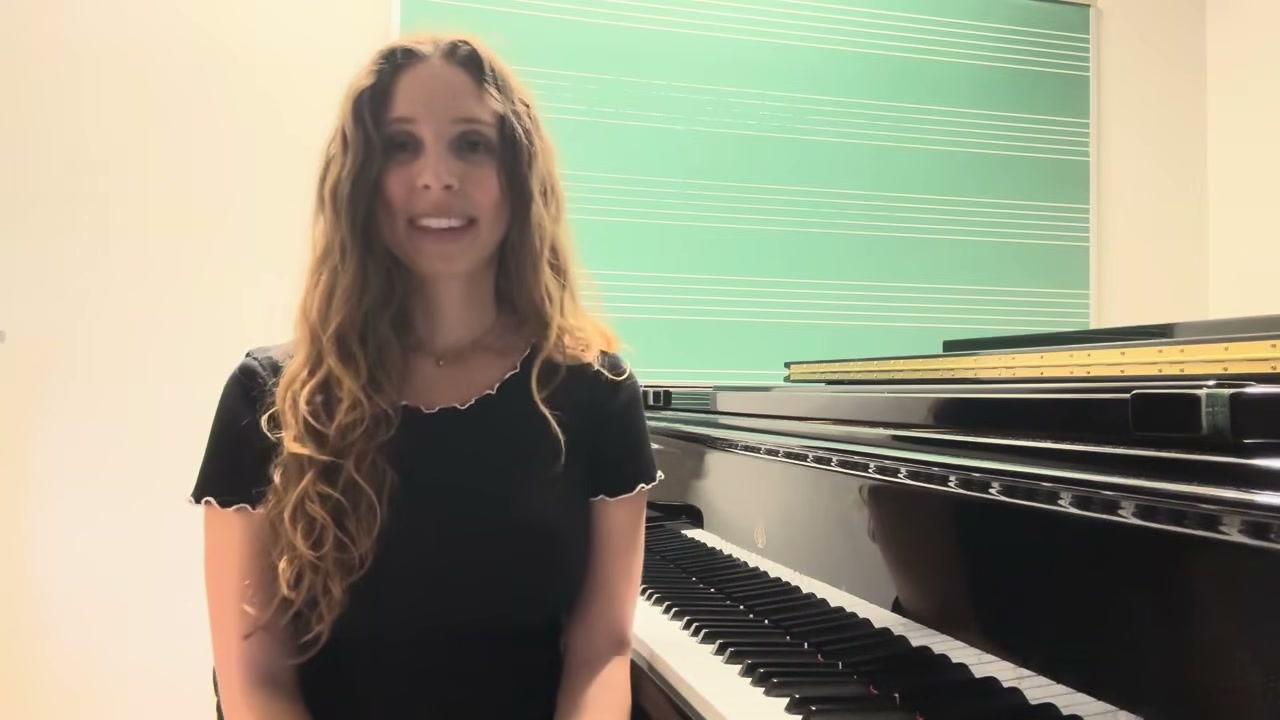
Isabel teaches voice lessons online with Tunelark. View Isabel’s profile
What a Vocal Coach Does
A vocal coach’s sessions tend to involve:
- Working through specific repertoire you’re preparing.
- Refining interpretation, phrasing, and stylistic choices.
- Diction and language work, Italian aria, German lieder, French mélodie, musical theater dialect.
- Audition repertoire selection and preparation.
- Character and dramatic work for theater singers.
A vocal coach assumes your instrument is already functional and helps you do something specific with it. The work is fast and detailed. The payoff is a polished performance.
Where the Lines Blur
In practice, many teachers do both. A studio voice teacher might coach you through your spring recital pieces. A vocal coach with a strong technique background might address your breath when it gets in the way of a phrase. The cleaner divisions exist mostly at the professional level (opera singers, musical theater performers, recording artists) where the two roles are filled by separate specialists. Below that level one teacher usually covers both, and our guide to how to sing musical theater shows what that looks like in one genre.
For amateur and intermediate students, the practical rule is: ask the teacher what they primarily focus on. A good teacher will tell you honestly.
The line blurs hardest where the technique itself changes with the style. Nate, another Tunelark voice teacher, works through vocal adduction, which is how firmly the vocal folds come together against the air, and shows how that balance shifts as a singer moves between styles. Adjusting it is instrument work and stylistic work in the same breath, which is why a single lesson can honestly look like both jobs at once.
Skill video · Vocal Adduction
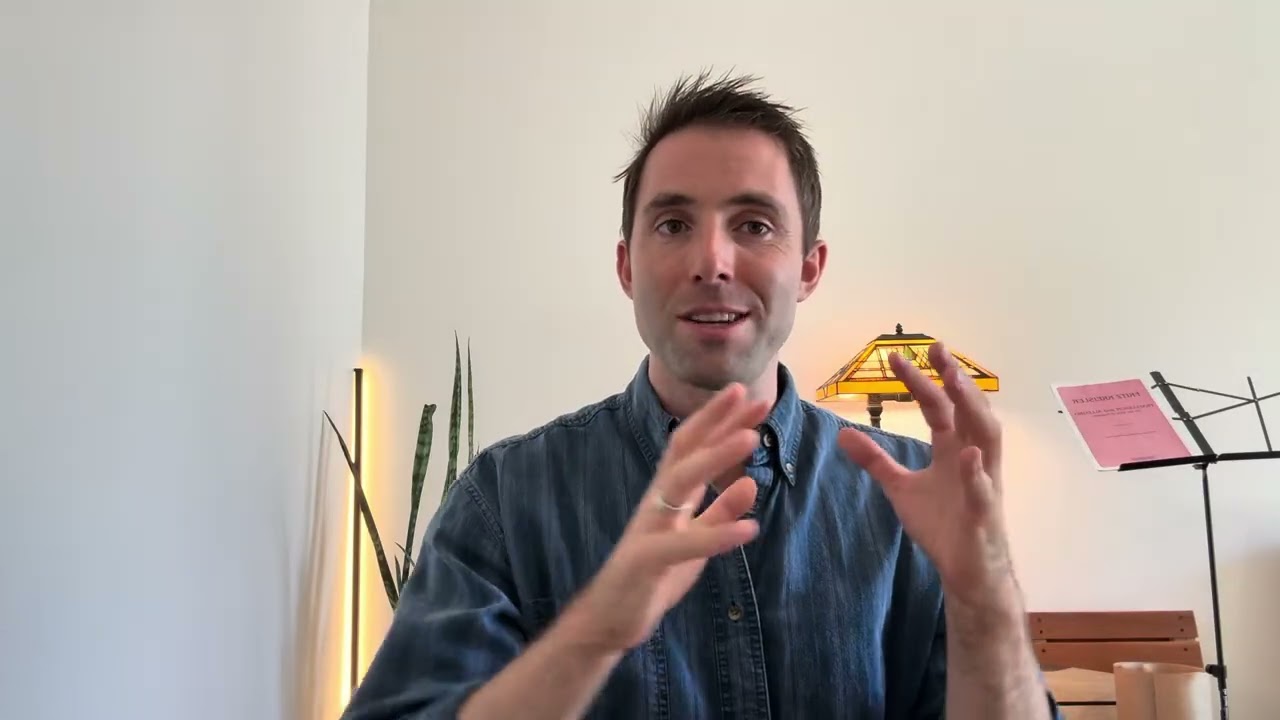
Nate teaches voice lessons online with Tunelark. View Nate’s profile
Which One Do You Actually Need?
A few common situations:
You’re new to singing. Start with a voice teacher. You need foundation work (breath, register, basic technique) before performance coaching has anything to grip onto.
You’ve sung for years and want to prepare for an audition. A vocal coach is the right call, especially one who specializes in audition prep for your genre.
You sing in a choir or band but want to improve overall. Voice teacher. Long-term technique work is what raises your ceiling.
You’re preparing a specific recital, audition, or recording. Vocal coach for the performance work, possibly with continued voice lessons for ongoing technique maintenance.
Your voice tires easily or sounds rough. Voice teacher, and a laryngologist if the roughness persists past a couple of weeks. Vocal coaches generally don’t address vocal health, so this is voice-teacher territory from the first lesson.
You’re a theater performer working on a role. Vocal coach, particularly one experienced with the show’s style.
How to Vet a Voice Teacher or Coach
A few diagnostic questions:
- Ask them to describe their typical first lesson. A voice teacher should talk about assessment of breath, range, and resonance. A coach should talk about repertoire choices and goals.
- Ask about their training. Voice teachers typically have degrees in voice performance or vocal pedagogy. Coaches often come from musical theater, opera, or recording backgrounds, sometimes with piano accompanying chops.
- Ask what they don’t do. A clear teacher will tell you the boundaries of their work.
How to Find a Voice Teacher on Tunelark
Every Tunelark teacher is vetted by working musicians and educators for teaching quality before they can list. Many of our teachers offer both foundational technique work and repertoire coaching, but they’re clear about which one they emphasize. To get started:
1. Open our voice lessons page.
2. Read bios. Look for language about pedagogy, breath, registration. Those signal a voice teacher. Look for language about repertoire, interpretation, audition prep. Those signal coaching emphasis.
3. Book a trial lesson with someone whose focus matches your need.
4. After the trial, ask whether the teacher addressed what you actually came in for.
Knowing the difference between a voice teacher and a vocal coach is one of those small distinctions that saves enormous frustration.
Frequently Asked Questions
Can the same person be both a voice teacher and a vocal coach?
Yes, and many are. Ask which one they emphasize. The exception is vocal health, which is voice-teacher work from the first lesson.
Which costs more, a voice teacher or a vocal coach?
Generally similar at comparable experience levels. On Tunelark, voice teachers charge $39 to $65 for a 30-minute lesson, with $44 the typical rate (roster checked September 2026), and across the wider market online 30-minute lessons run about $40 to $90 as of 2026. Audition-prep coaches for major-market auditions can charge significantly more. Our singing lesson cost guide has the current ranges.
Do I need vocal coaching if I just sing for fun?
Probably not. If you’re singing in a community choir or just for enjoyment, regular voice lessons will give you more long-term satisfaction. Coaching is most useful when you have specific performance work ahead.
Can I work with both at the same time?
Yes: many serious singers do. Most commonly, ongoing weekly voice lessons with occasional coaching sessions ahead of specific performances.
What if I’m not sure which one I need?
Book a trial lesson with a voice teacher first. They’ll be able to assess your instrument and tell you whether you’d benefit more from foundation work or from performance coaching.
Looking for an online voice teacher? See our full Online Voice Lessons page for everything you need to know about getting started.
Keep reading
About Jennifer Heath
I'm Jennifer Heath, VP of Operations at Tunelark and a lifelong singer. I joined the company in 2020 and oversee much of what makes Tunelark work for students and teachers: hiring, training and supporting our instructors, student support, marketing and day-to-day operations. I started voice lessons at 7 and sang with touring choirs through my teens. Music belongs in every life, for the self-expression, the discipline, the comfort and the simple joy of it.