Best Online Saxophone Teachers: Vetted and Taking Students
Finding the right saxophone teacher makes all the difference, whether you’re a complete beginner or working past a plateau. Tunelark connects students with experienced, vetted saxophone teachers for one-on-one online lessons that fit your schedule and your goals.
Here’s a look at saxophone teachers currently available on Tunelark. Teachers set their own rates, so the trial prices below are as of September 2026, and each profile shows the current rate.
Saxophone Teachers on Tunelark


What to Look For in a Saxophone Teacher
Saxophone is a woodwind, and the teachers who treat it that way teach it differently from the ones who treat it as a jazz solo instrument with keys. Ask what the first three months cover. A teacher who answers with air, embouchure and long tones before naming a single scale is telling you something useful about how they work.
Style matters more here than on most instruments, because the sound itself changes with the tradition. A classical teacher will want an even, centered tone and precise intonation. A jazz teacher will want you shaping notes, bending them, and picking up language by ear. Say which one you are after, and say it in the trial lesson rather than three months in.
Every Tunelark teacher is vetted by working musicians and educators for teaching quality before they can list. Past that point you choose the teacher. A trial is $25 off the teacher’s 30-minute rate, and ongoing lessons run 30, 45 or 60 minutes.
What a First Saxophone Lesson Covers
Most first lessons start with assembly, because half of a beginner’s tone problems are setup problems. Cork grease on the neck cork, the reed lined up so its tip sits level with the tip of the mouthpiece, the ligature snug rather than clamped, and the neck strap adjusted so the mouthpiece comes up to your mouth instead of you reaching down for it.
Then embouchure and air. Bottom lip cushioning the reed over your lower teeth, top teeth resting on the mouthpiece, corners firm, and a steady stream of air that does not stop at the end of the note. Most students get a real sound in the first lesson, and long tones are what turn that first sound into a reliable one. What goes wrong in that first week is in our first saxophone lesson guide.
The lesson usually finishes with the first notes in the left hand and a short tune built from them. You leave with a warmup, one piece of technique to watch, and a reed plan. Our guide to a first lesson covers the parts that are not about the horn.
What Saxophone Needs From Your Online Setup
Saxophone is loud, and that is the main technical problem to solve. A microphone a foot away from the bell will distort, and what your teacher hears is a compressed, buzzy version of a tone that is actually fine. Sit farther back from the laptop than you would for a phone call, and angle the bell away from the microphone rather than into it.
Then turn off noise suppression, which is tuned for speech and will treat a sustained note as something to clean up. Zoom has an Original Sound setting for this, and FaceTime has Mic Mode set to Wide Spectrum. Google Meet has no music mode, and its noise cancellation toggle exists only on paid Workspace and Google One plans.
For the camera, chest height and slightly to one side shows your embouchure and both hands at once. That single angle is enough for almost everything a saxophone teacher needs to see, and it is worth setting up once and leaving alone.
How to Choose the Right Saxophone Teacher
The best teacher isn’t the one with the longest resume. It’s the one who fits your goals, your learning style, and your schedule.
- Your goals. Are you learning for fun, working toward a specific piece, or preparing for a performance? Different teachers specialize in different outcomes.
- Genre and style. Make sure your teacher’s background aligns with where you want to go.
- Communication style. Some students thrive with structured feedback. Others prefer a relaxed, exploratory approach. Your trial lesson is the best way to find out.
- Availability. Consistency matters more than almost anything else in music learning. Find a teacher whose schedule you can reliably commit to.
Why Learn Saxophone Online?
- Access to better teachers. You’re not limited to whoever lives nearby. Tunelark’s teachers are based across the country, so you can find the right specialist for your goals.
- Scheduling flexibility. Lessons happen on your schedule. Evenings, weekends, whenever works.
- Comfort of home. Learning in your own space helps most students focus and reduces performance anxiety.
- Easy recording. Many students record lessons to review technique and feedback between sessions.
Ready to find your saxophone teacher? Browse all available teachers on Tunelark and book a trial lesson to get started.
Who Is Teaching Saxophone Here
The checklist above matters more on saxophone than on most instruments, because tone is set early and is slow to change later.
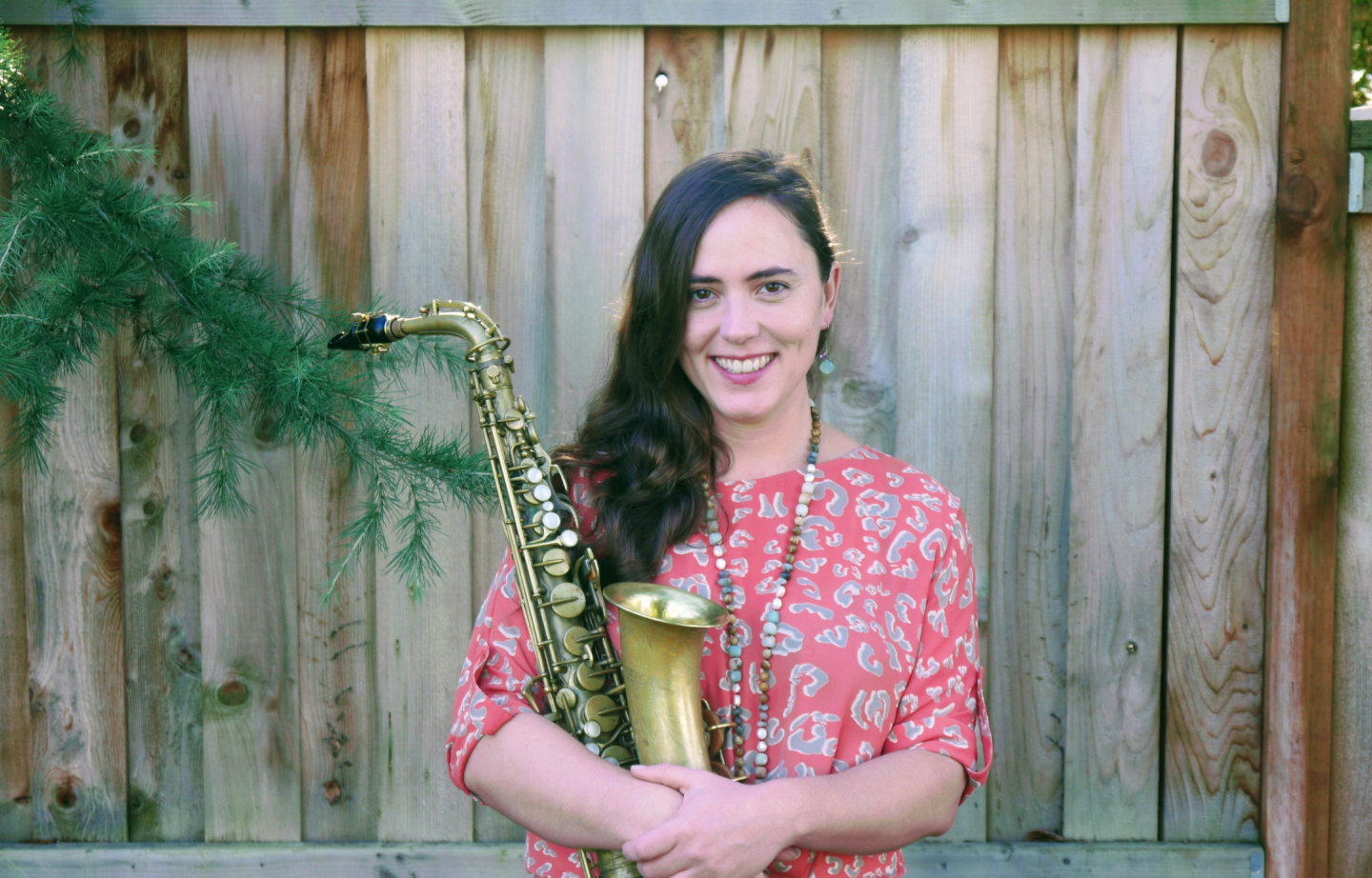
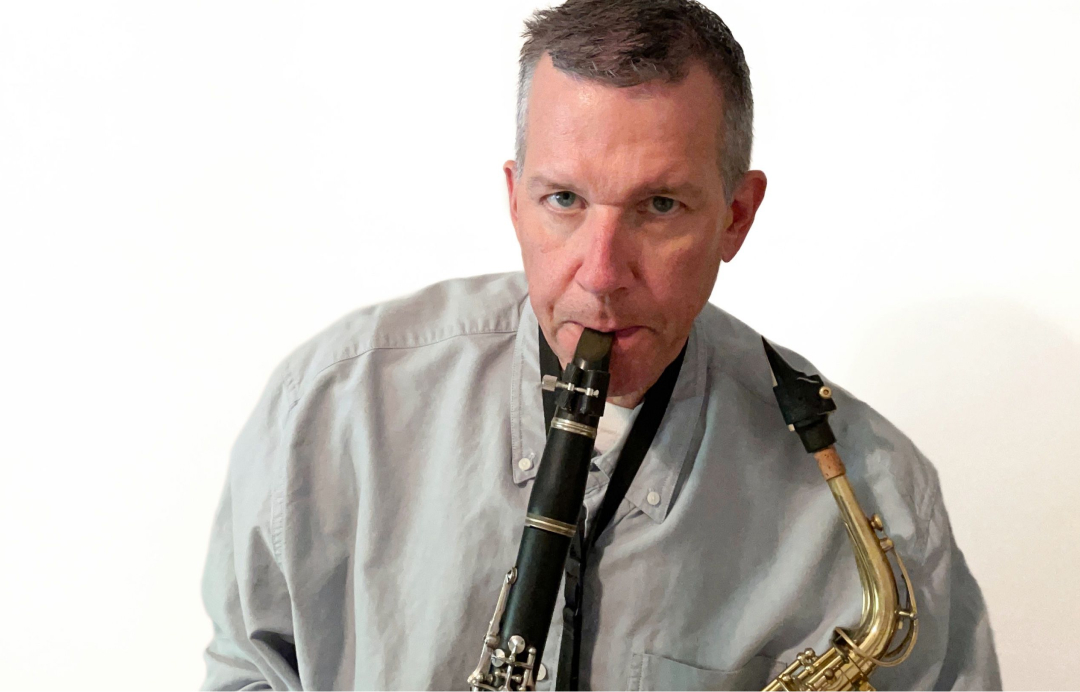
Travis S. holds a Master of Music in Jazz Saxophone Performance from the Manhattan School of Music and has taught woodwinds for nearly thirty years. David W. graduated from Oberlin Conservatory in saxophone performance and works as a professional multi-instrumentalist in Los Angeles. Cooper W. went to Berklee on a scholarship and has toured widely.
Three different routes into the same instrument. What they share is having heard the beginner version of a tone problem often enough to name it in the first month rather than the first year.
Frequently Asked Questions
Is saxophone hard to learn?
Saxophone is one of the more approachable wind instruments to start on. Most students get a recognizable sound in the first lesson or two, sooner than on flute or clarinet. The harder parts arrive later and stay: intonation sits with the player rather than the instrument, and a reed that has dried out or warped will undo a week of good practice.
What type of saxophone should I start with?
Alto saxophone is the most common starting point, manageable size, widely used across styles. Your teacher can help you select or rent the right instrument.
How long does it take to learn saxophone?
Simple tunes come within the first few weeks, and playing that holds together as music from start to finish arrives at around three months. A tone you enjoy hearing takes about a year of steady long tones, and expressive playing with reliable intonation, articulation and vibrato is the work of several years after that.
Do I need to read music?
Not necessarily to start, though it helps. Your teacher will guide you based on your goals. Students who learn to read music tend to progress faster over time.
What styles can I learn?
Jazz and classical are most common, but saxophone appears across rock, pop, R&B, funk, and more. Let your teacher know your style interests early.
Can saxophone lessons work online?
Yes: a teacher can hear your tone and see your embouchure and fingering via video. Most saxophone students adapt quickly to the online format.
Keep reading
About Jennifer Heath
I'm Jennifer Heath, VP of Operations at Tunelark and a lifelong singer. I joined the company in 2020 and oversee much of what makes Tunelark work for students and teachers: hiring, training and supporting our instructors, student support, marketing and day-to-day operations. I started voice lessons at 7 and sang with touring choirs through my teens. Music belongs in every life, for the self-expression, the discipline, the comfort and the simple joy of it.
About Tunelark
Tunelark is a community of inspiring, professional music instructors. Our shared vision is to help our students connect with their intrinsic love of music and follow their curiosity to grow as musicians and people.
Lessons take place over video chat so that students can learn from the comfort and convenience of their own home.
Book a lesson with one of the instructors above, or browse our community of expert teachers and pick the one who resonates most with your goals and learning style. As always, we guarantee a great match or your money back.
If you’re ready to get started with 1-on-1 online saxophone lessons, book your first lesson with a Tunelark instructor today. Your first lesson is 50% off!